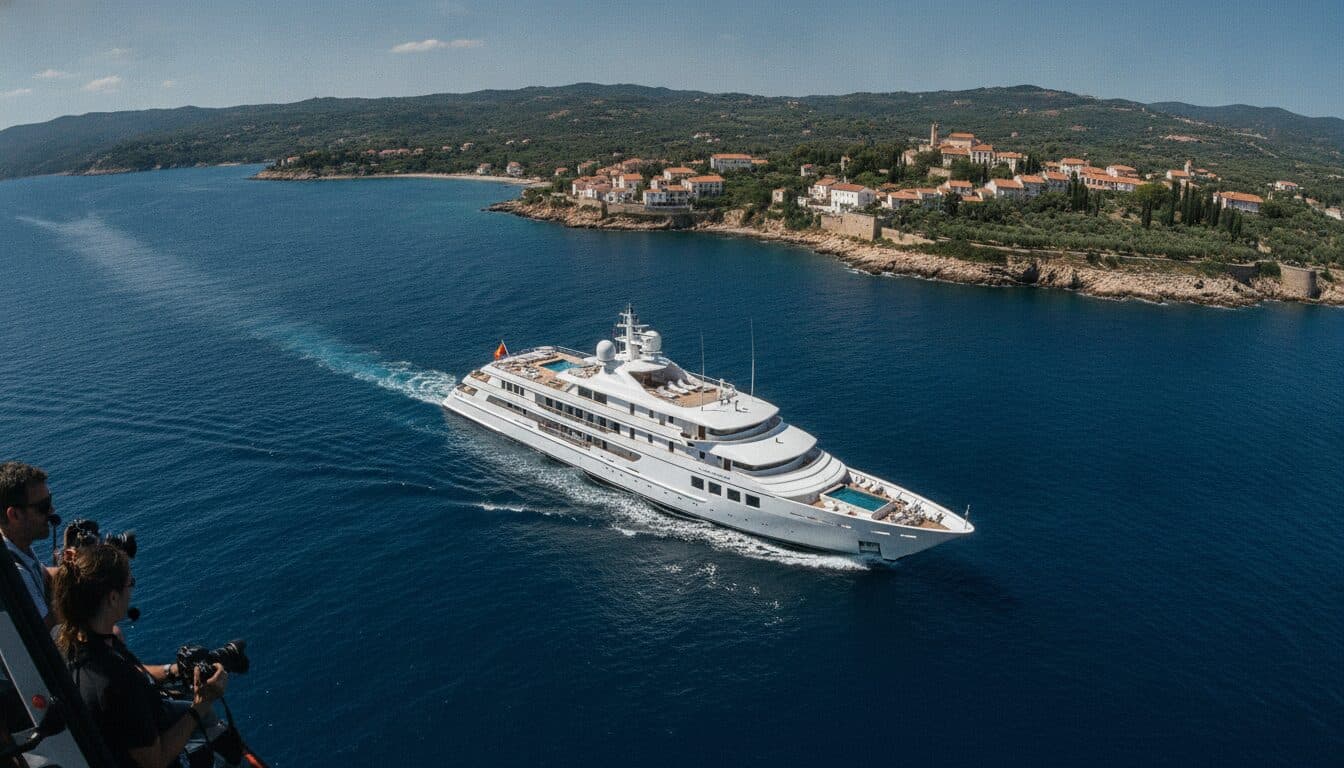
A U.S. travel advisory has warned Americans to avoid Caribbean cruise destination, a once immensely popular spot for tourists, citing elevated risks. This significant development, reported on Thursday, April 23, 2026, marks a stark downturn for a region heavily reliant on American tourism dollars and raises concerns across the broader travel and tourism sector.
The Story: A Popular Destination’s Decline
The U.S. State Department issued a “Do Not Travel” advisory for the unnamed Caribbean cruise destination, effectively urging American citizens to reconsider any plans to visit. While the specific nature of the threat was not detailed in the source material, such high-level warnings are typically reserved for situations involving significant safety and security risks, political instability, or severe health crises. For a destination once lauded for its pristine beaches, vibrant culture, and robust cruise ship infrastructure, this advisory represents a critical blow. Cruise lines, tour operators, and local businesses that have long catered to the American market will undoubtedly face immediate and severe repercussions. This advisory comes at a time when many destinations are still navigating the complexities of post-pandemic travel recovery, making the impact even more acute.
Impact Analysis: Repercussions for Travel & Tourism
The immediate fallout from the U.S. warning for this Caribbean cruise destination will be felt across several segments of the travel and tourism industry. Cruise lines, which often plan itineraries months or even years in advance, will be forced to reroute ships, cancel port calls, and potentially offer refunds or alternative destinations to thousands of passengers. This logistical nightmare translates into substantial financial losses, impacting revenue streams and potentially leading to increased operational costs. Local economies, particularly those heavily dependent on shore excursions, souvenir sales, and hospitality services, will experience a dramatic decline in income. Small businesses, from taxi drivers to craft vendors, face an existential threat. Furthermore, the advisory could create a ripple effect, causing travelers to view the entire Caribbean region with increased caution, even for destinations not directly affected by the warning.
“A ‘Do Not Travel’ advisory from the U.S. government is the highest level of warning and can effectively shut down tourism to a destination overnight. The economic consequences for the affected Caribbean cruise destination will be profound and long-lasting.”
Beyond the immediate financial impact, there’s the long-term challenge of reputation management. Rebuilding traveler confidence after such a severe warning can take years, even if the underlying issues are resolved. Marketing campaigns, once focused on allure and relaxation, will now need to address safety concerns directly, a difficult pivot for any tourism board.
Context & Background: A Shifting Landscape
The Caribbean has historically been a cornerstone of the global cruise industry, attracting millions of visitors annually. Its proximity to the U.S. and diverse offerings have made it a perennial favorite. However, the region has not been immune to challenges. In recent years, some areas have grappled with issues ranging from natural disasters, such as hurricanes, to socio-economic concerns that can affect tourist safety. While the specific reasons for this latest advisory regarding the Caribbean cruise destination remain undisclosed in the source, it underscores a growing trend where geopolitical events, local conditions, and international relations increasingly influence travel advisories. Travel advisories, while crucial for informing citizens, can also become powerful tools that reshape travel patterns and economic fortunes.
What’s Next: Uncertainty for a Caribbean Cruise Destination
The path forward for this particular Caribbean cruise destination is fraught with uncertainty. Local authorities will likely need to address the underlying issues that prompted the U.S. advisory with urgency and transparency. This could involve enhanced security measures, diplomatic engagement, or other significant policy changes. For cruise lines, the immediate priority will be adjusting their schedules and communicating effectively with booked passengers. The broader travel industry will be watching closely to see if this advisory is an isolated incident or a precursor to further warnings in the region. The decision to lift such an advisory typically requires sustained improvement in the conditions that led to its issuance, meaning a swift recovery for this once-popular Caribbean cruise destination is unlikely.
Key Takeaway: The Fragility of Tourism
This U.S. warning to avoid a Caribbean cruise destination serves as a stark reminder of the inherent fragility of the travel and tourism industry. Even well-established and beloved destinations can face sudden and severe challenges that can decimate their tourism sector. It highlights the critical interplay between international relations, local conditions, and global travel patterns. For investors and businesses within the travel ecosystem, it underscores the importance of diversification, robust risk assessment, and adaptable operational strategies in an increasingly unpredictable world.