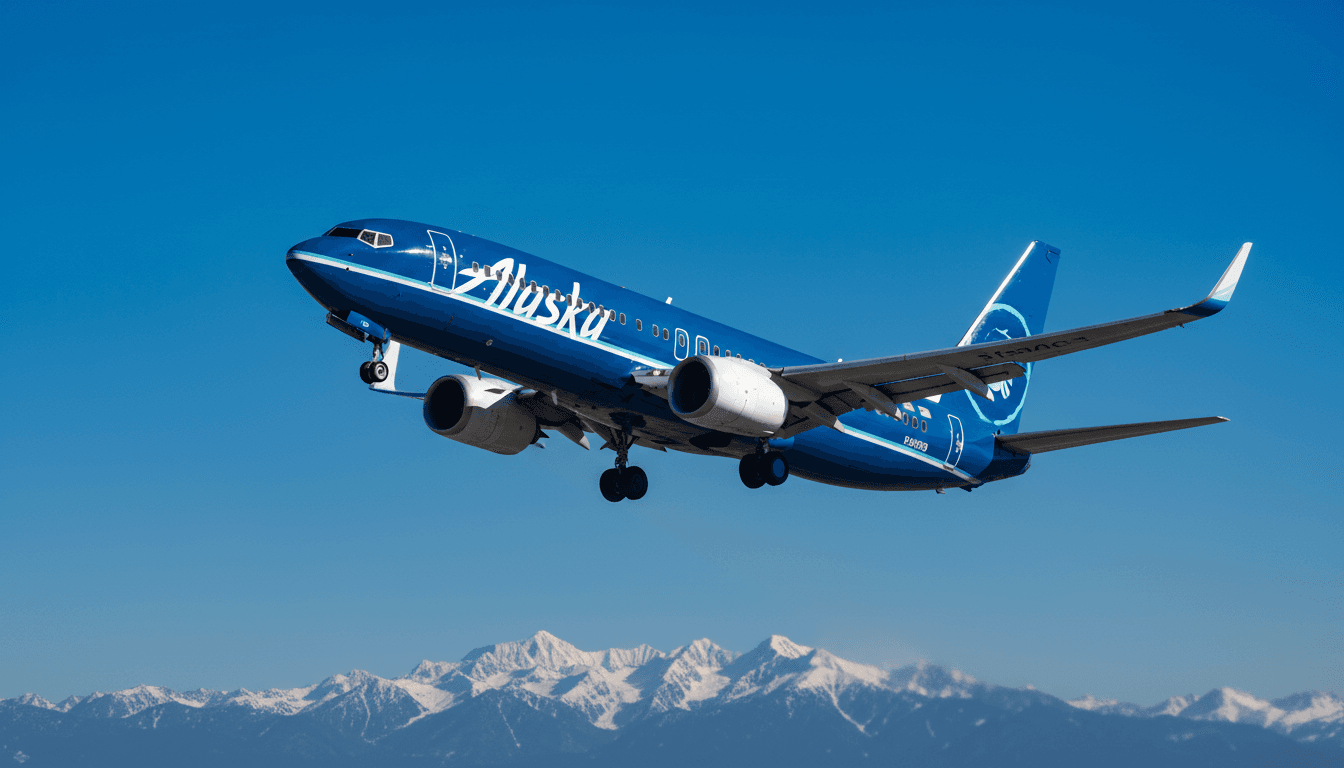
Alaska Airlines expands network with four new destinations, marking a significant strategic move for the carrier as it strengthens its presence across key regions. The announcement, made on Friday, May 8, 2026, signals the airline’s continued growth trajectory and its commitment to offering broader connectivity for travelers.
The Story: Strategic Expansion Takes Flight
The core of this development centers on Alaska Airlines, a prominent player in the North American aviation sector, and its decision to introduce flights to four new locations. While specific destination names were not detailed in the announcement, the expansion underscores a calculated effort to enhance market share and cater to evolving passenger demand. This move is consistent with the airline’s historical strategy of incremental, yet impactful, network growth, often targeting underserved routes or strengthening hubs with new spokes.
This expansion is not merely about adding routes; it represents a deeper strategic play by Alaska Airlines to optimize its fleet utilization and capitalize on market opportunities identified through extensive data analysis. The timing, in early May 2026, positions the airline favorably for the upcoming summer travel season, allowing it to capture a potentially robust demand for both leisure and business travel. Such expansions typically involve significant operational planning, including crew scheduling, gate assignments, and marketing campaigns to ensure successful route launches.
Impact Analysis: Shifting Dynamics in Regional Air Travel
The decision by Alaska Airlines to expand network with four new destinations carries substantial implications for the broader travel and tourism landscape, particularly within the domestic U.S. market. Increased connectivity can stimulate local economies by boosting tourism, facilitating business travel, and creating employment opportunities in the newly served areas. For consumers, this typically translates to more competitive fares and a wider array of travel options, enhancing overall market efficiency.
From an industry perspective, this expansion could intensify competition on certain routes, potentially prompting other carriers to adjust their strategies or introduce their own new services. This dynamic environment often benefits travelers through better service quality and pricing. Moreover, the move reinforces Alaska Airlines’ position as a formidable competitor, capable of agile responses to market shifts and proactive network development. Related travel & tourism articles often highlight how such expansions can ripple through the entire ecosystem, from airport services to ground transportation and hospitality.
“Expanding network reach is a fundamental strategy for airlines seeking sustainable growth, especially in a competitive post-pandemic environment. Alaska Airlines’ latest move demonstrates a clear intent to capture new market segments and solidify its regional dominance.”
Context & Background: A History of Calculated Growth
Alaska Airlines has a long-standing history of strategic network development, often focusing on the West Coast and expanding outwards. Previous expansions have seen the airline solidify its presence in key markets, leveraging its strong brand loyalty and operational efficiency. This latest announcement follows a period where many airlines have been recalibrating their networks, either shedding unprofitable routes or aggressively pursuing new opportunities in response to changing travel patterns. The industry has seen a gradual recovery in demand, making strategic expansions like this particularly timely.
The move to add four new destinations also reflects broader industry trends, such as the increasing demand for direct flights to smaller, regional airports, bypassing larger, often congested hubs. This ‘point-to-point’ strategy can appeal to travelers seeking convenience and shorter travel times. Furthermore, airlines are increasingly using sophisticated data analytics to identify profitable routes and anticipate future demand, a practice that likely underpins this recent expansion by Alaska Airlines.
What’s Next: Operationalizing Growth and Market Response
Looking ahead, the immediate focus for Alaska Airlines will be on the successful launch and operationalization of these four new routes. This involves significant logistical coordination, marketing efforts to build awareness and bookings, and continuous monitoring of performance. The airline will be keen to see how these new destinations perform, both in terms of passenger load factors and profitability, which will inform future network planning decisions. The market will also be watching for any competitive responses from other carriers, which could include fare adjustments or the introduction of competing services.
Further implications could include potential fleet adjustments if the new routes prove exceptionally popular, possibly requiring additional aircraft or reallocations within the existing fleet. The long-term success of this expansion will depend on various factors, including fuel prices, economic stability, and continued consumer confidence in air travel. The airline’s ability to effectively manage these variables will be crucial to realizing the full potential of its expanded network.
Key Takeaway: Reinforcing Market Position
The decision by Alaska Airlines to expand network with four new destinations is a clear indication of its aggressive growth strategy and confidence in the rebounding travel market. This move not only enhances its competitive standing but also provides greater connectivity and choice for travelers, reinforcing the dynamic nature of the commercial aviation sector. As the industry continues to evolve, strategic expansions like this will be critical for airlines aiming to secure long-term profitability and market leadership in a fiercely competitive environment. For more insights into airline strategies, our archives offer comprehensive coverage.