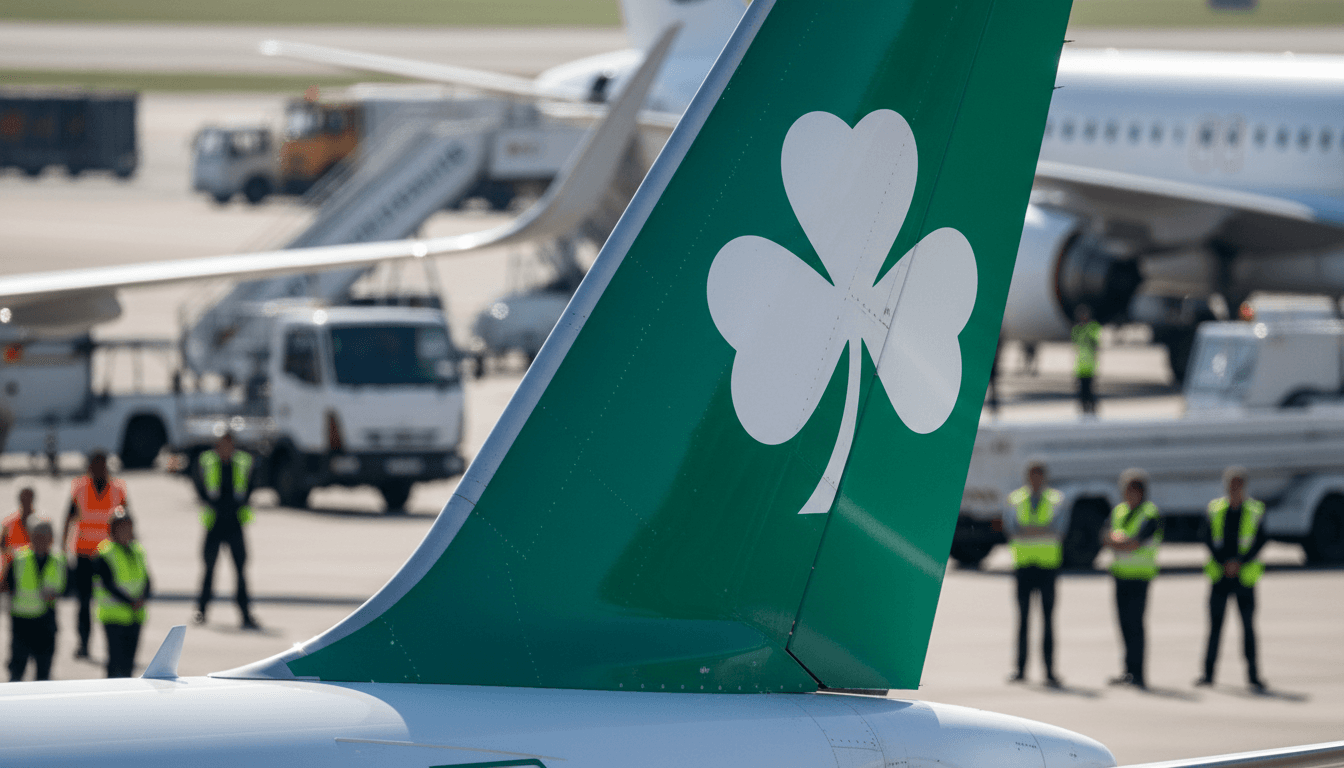
A bold Aer Lingus route expansion is set to significantly bolster Ireland’s tourism industry, with the airline announcing six new European and US destinations. This strategic move, reported on Tuesday, April 14, 2026, includes direct flights to key locations such as Pittsburgh, Oslo, Asturias, and Santiago de Compostela, marking a substantial increase in connectivity for the Emerald Isle.
The Story: Connecting Continents and Cultures
The core of this exciting development lies in Aer Lingus’s aggressive push to broaden its international reach. The airline’s decision to introduce six new direct routes reflects a confident outlook on the rebound and sustained growth of global travel. Specifically, the inclusion of Pittsburgh on the transatlantic roster signals a renewed focus on connecting Ireland with vital US markets, known for their strong diaspora links and burgeoning tourism potential. On the European front, the addition of Oslo, Asturias, and Santiago de Compostela opens up new avenues for leisure and cultural tourism, tapping into the Nordic and Iberian markets. These destinations offer diverse attractions, from Norway’s fjords to Spain’s historic pilgrimage routes, promising to attract a wider demographic of visitors to Ireland.
This expansion is not merely about adding dots to a flight map; it’s about strategic market penetration. By offering direct links, Aer Lingus aims to reduce travel friction, making Ireland a more accessible and attractive destination for both business and leisure travelers. The announcement on April 14, 2026, underscores the airline’s commitment to leveraging Ireland’s geographical position as a gateway between Europe and North America.
Impact Analysis: A Catalyst for Ireland’s Tourism Boom
The implications of this Aer Lingus route expansion are profound for Ireland’s travel and tourism sector. Increased direct air access invariably leads to higher visitor numbers, which in turn stimulates local economies through expenditure on accommodation, dining, attractions, and retail. For destinations like Pittsburgh, the direct connection means easier access for American tourists keen to explore Ireland’s rich heritage and vibrant cities. Similarly, the European additions are expected to draw new segments of travelers from Scandinavia and Spain, diversifying Ireland’s inbound tourism markets.
This development comes at a crucial time, as the global tourism industry continues its recovery and seeks sustainable growth pathways. Ireland, with its strong appeal as a cultural and scenic destination, is well-positioned to capitalize on this increased connectivity. The direct flights will likely boost regional tourism, encouraging visitors to explore beyond Dublin and experience the country’s diverse landscapes and cultural offerings. The ripple effect will be felt across various sub-sectors, from independent B&Bs to major hotel chains, and from tour operators to local artisans. This Aer Lingus route expansion is a clear signal of confidence in Ireland’s enduring appeal.
“This strategic Aer Lingus route expansion is a game-changer for Ireland, enhancing our global accessibility and setting the stage for an unprecedented tourism boom. It’s a testament to the collaborative efforts to position Ireland as a premier international destination.”
Context & Background: Building on Past Success
Aer Lingus has a long-standing history of connecting Ireland to the world, and this latest expansion builds upon a legacy of strategic network development. In recent years, the airline has consistently invested in new aircraft and route development, responding to market demands and anticipating future trends. This current move is indicative of a broader industry trend towards direct, point-to-point travel, which is often preferred by modern travelers seeking convenience and efficiency. The airline’s focus on both established and emerging markets reflects a nuanced understanding of global travel dynamics. Previous expansions have demonstrated the positive correlation between increased air access and tourism growth, setting a precedent for the expected success of these new routes. For more insights into how air travel influences destination appeal, read our related travel & tourism articles.
What’s Next: Sustaining the Momentum
Looking ahead, the success of this Aer Lingus route expansion will depend on various factors, including effective marketing campaigns in the new origin markets, competitive pricing, and the continued enhancement of Ireland’s tourism infrastructure. The Irish tourism board, Fáilte Ireland, will undoubtedly play a crucial role in promoting these new routes and showcasing Ireland’s diverse attractions to potential visitors from Pittsburgh, Oslo, Asturias, and Santiago de Compostela. There will likely be further investment in visitor experiences and regional development to accommodate the anticipated influx of tourists. Future decisions may involve optimizing flight frequencies and exploring additional seasonal routes based on demand, ensuring that the momentum generated by this expansion is sustained for years to come.
Key Takeaway: Ireland’s Enhanced Global Connectivity
This Aer Lingus route expansion is more than just an airline adding new services; it represents a significant enhancement of Ireland’s global connectivity and a powerful catalyst for its tourism industry. By forging direct links with key markets in the US and Europe, Aer Lingus is not only expanding its own network but also opening new doors for economic growth and cultural exchange across the island. This strategic move solidifies Ireland’s position as an accessible and attractive destination, promising a vibrant future for its tourism sector.