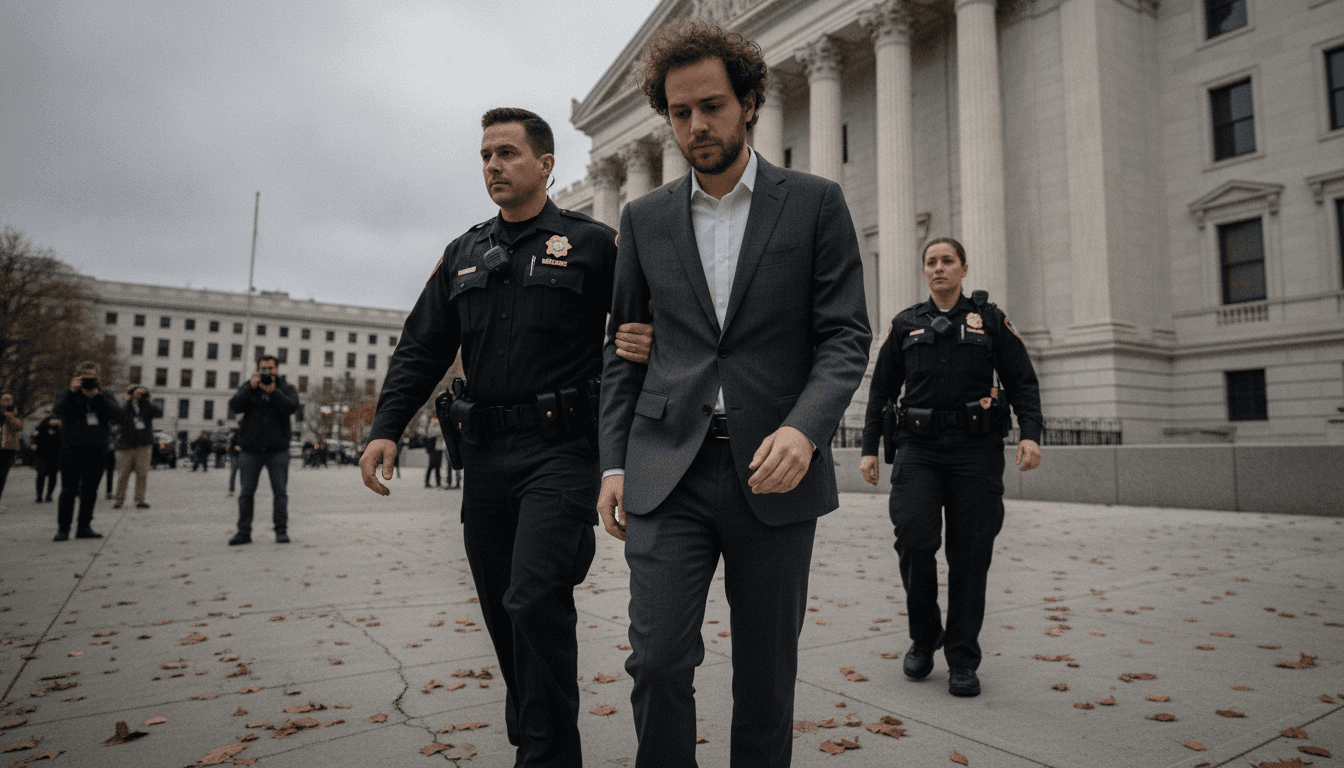
A recent Weil Gotshal cyber extortion attack has reportedly cost the prominent law firm between $18 million and $20 million, paid to the notorious cyber extortion group Luna Moth, also known as Silent Ransom Group or Chatty Spider. The incident, disclosed by Weil, Gotshal & Manges LLP, involved the unauthorized upload of a limited number of client documents to an external cloud storage site, bypassing the firm’s internal network systems. This significant payment, made within three days of the demand, highlights the escalating financial and reputational risks faced by legal firms in the current cyber threat landscape.
The Cyber Extortion Attack Unfolds
The incident at Weil Gotshal & Manges LLP, revealed on June 5, 2026, saw a threat actor compromise client data without gaining access to the firm’s internal network or disrupting its operations. Upon discovering the breach, Weil immediately activated its response protocols, engaging third-party cybersecurity professionals and alerting law enforcement. Forensic investigations confirmed the attacker’s method, which focused solely on data theft rather than system encryption, a departure from traditional ransomware tactics. The firm has since been in contact with affected clients, emphasizing its commitment to safeguarding their confidences. A firm spokesperson stated,
“Our priority is, and always has been, our clients. We appreciate the trust they place in us to safeguard their confidences. We have taken a number of steps in response to the incident consistent with our constant focus on protecting our clients’ information.”
While Weil has not publicly confirmed the payment, reports indicate that Luna Moth, a group increasingly active since 2023, threatened to publish the stolen data publicly if their demands were not met. This tactic, known as data extortion, leverages the sensitive nature of information held by law firms, making them prime targets. The Federal Bureau of Investigation (FBI) had previously issued a private industry notification in May 2025, warning U.S.-based law firms about Silent Ransom Group’s consistent targeting. A new warning issued this week further highlighted the group’s evolving methods, which now include impersonating IT staff and even physically attending offices to gain access and steal data.
The Broader Impact on the Legal Sector
The Weil Gotshal cyber extortion attack is not an isolated incident but part of a disturbing trend impacting the legal industry. The highly sensitive and confidential nature of legal data makes law firms particularly attractive targets for cyber extortion groups. The FBI’s warnings underscore the critical need for robust cybersecurity measures and incident response plans within the sector. The incident follows a similar attack on Jones Day, another U.S. firm, which confirmed in April that hackers had accessed its data. In that case, a $13 million demand reportedly went unpaid, leading to the alleged theft of confidential files. These incidents illustrate the severe consequences, both financial and reputational, that law firms face when their defenses are breached.
The financial ramifications of such attacks are substantial. The reported $18 million to $20 million payment by Weil Gotshal underscores the immense pressure firms face to protect their clients’ sensitive information and maintain their trust. Beyond the direct financial cost, there are potential legal liabilities, regulatory fines, and long-term damage to reputation and client relationships. Firms must invest continuously in advanced security technologies, employee training, and comprehensive incident response strategies to mitigate these risks. The refined methods of groups like Luna Moth, including social engineering and potential physical intrusion, demand a multi-layered security approach.
Lessons from the Weil Gotshal Cyber Extortion Attack
The Weil Gotshal cyber extortion attack serves as a stark reminder for all organizations, especially those handling highly sensitive data, of the evolving threat landscape. The primary warning sign in this case was the direct targeting of law firms by a known cyber extortion group, as flagged by the FBI. Organizations should heed such warnings and proactively bolster their defenses. Key red flags include suspicious communications impersonating internal staff, unauthorized attempts to access cloud storage, and unusual activity related to sensitive client documents. Regular security audits, robust employee training on social engineering tactics, and stringent access controls are paramount.
The rapid payment, if confirmed, also raises questions about the efficacy of negotiation in such scenarios and whether it incentivizes further attacks. However, the immediate priority for firms like Weil is often data protection and business continuity. For more insights into related fraud investigations, visit our archives. Organizations must develop comprehensive incident response plans that include legal counsel, cybersecurity experts, and clear communication strategies to navigate these complex situations effectively. The ongoing vigilance and adaptation to new threat vectors are essential to safeguard against the sophisticated tactics of cyber extortion groups.