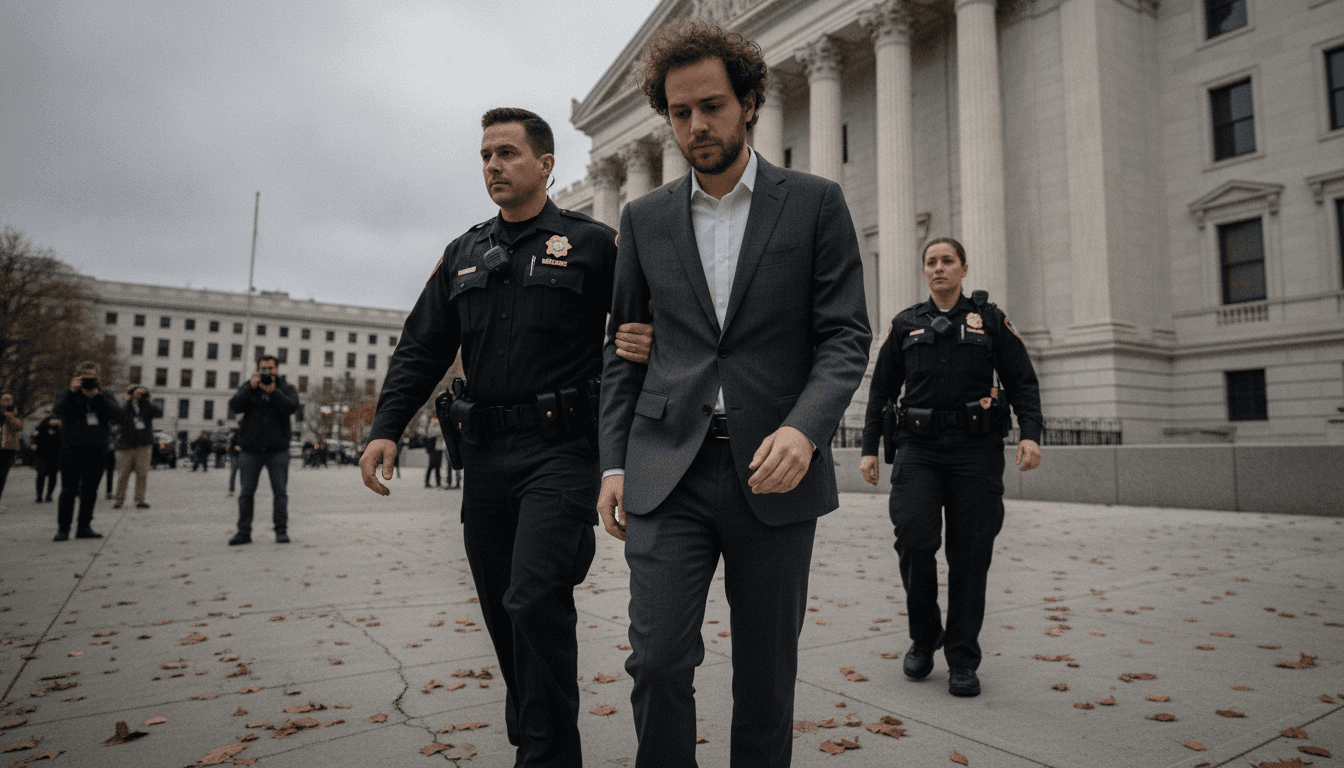
Sam Bankman-Fried lost his crypto fraud conviction appeal on Friday, June 12, 2026, solidifying a 25-year prison sentence for orchestrating a colossal scheme that defrauded FTX customers of $8 billion. The unanimous decision by a three-judge panel of the Manhattan-based 2nd US Circuit Court of Appeals underscored the ‘robust’ evidence presented by prosecutors, painting a clear picture of deliberate financial malfeasance at the highest levels of the now-defunct cryptocurrency exchange.
Bankman-Fried, once a celebrated figure in the volatile crypto industry, oversaw FTX’s spectacular collapse in 2022. Prosecutors from the Manhattan US Attorney’s office characterized his actions as a “fraud of epic proportions,” alleging he illicitly funneled customer funds from FTX to cover losses at his crypto-focused hedge fund, Alameda Research. While publicly assuring customers, investors, and regulators that their assets were secure, he was, in fact, treating FTX as his personal financial reservoir, diverting billions for extravagant real estate purchases, political contributions, and questionable investments.
The Architect of Deception: Sam Bankman-Fried
The story of Sam Bankman-Fried’s crypto fraud is one of ambition unchecked and trust betrayed. Founded by Bankman-Fried, FTX rapidly grew into a dominant force in the cryptocurrency market. However, beneath the veneer of legitimacy and technological innovation, a systematic misappropriation of funds was taking place. The core of the scheme involved siphoning customer deposits from FTX to prop up Alameda Research, a hedge fund also controlled by Bankman-Fried. This intermingling of funds, concealed from public view, created a precarious financial structure that ultimately imploded.
At his 2023 trial, Bankman-Fried pleaded not guilty to seven felony charges, including two counts of fraud and five counts of conspiracy. He acknowledged making mistakes in FTX’s management but maintained he never intentionally stole funds. This defense, however, was rejected by the jury and subsequently by the appeals court. Circuit Judge Barrington Parker, writing for the panel, stated, “While he was publicly reassuring customers, investors and regulators that FTX customer funds were safe, he was simultaneously using FTX as his own personal piggy bank, spending customer funds on real estate, political contributions, and investments.”
The Human Cost of Crypto Fraud
The victims of this elaborate crypto fraud were primarily FTX customers who believed their digital assets were held securely by a reputable exchange. Their trust was systematically exploited, leading to devastating financial losses. The $8 billion theft represents not just a numerical figure, but the shattered dreams, lost savings, and profound financial distress of countless individuals. The deception was particularly insidious because it occurred while Bankman-Fried cultivated an image of a benevolent, philanthropic leader, making lavish donations and presenting himself as a responsible steward of the crypto ecosystem.
“FTX customers were defrauded as soon as Bankman-Fried transferred their money to Alameda regardless of how strongly he believed he might later return the money.”
The court’s affirmation emphasized that fraud occurs the moment a defendant tricks someone into handing over money or property, irrespective of any future intent to restore funds. This legal principle directly countered Bankman-Fried’s defense that FTX had sufficient funds to cover withdrawals, highlighting the immediate and undeniable impact of his actions on the victims.
The Unraveling and Consequences
The fraud began to unravel with FTX’s sudden and spectacular collapse in November 2022. Investigations quickly exposed the deep financial ties and illicit transfers between FTX and Alameda Research. Federal prosecutors in Manhattan swiftly moved to bring charges against Bankman-Fried. His conviction in 2023 on all seven felony counts was a testament to the compelling evidence presented, which included testimony from three of his former deputies who pleaded guilty and cooperated with the prosecution.
Following his conviction, US District Judge Lewis Kaplan, who presided over the trial, sentenced Bankman-Fried to 25 years in prison in March 2024. Judge Kaplan noted that Bankman-Fried knew his actions were wrong but had made a “very bad bet about the likelihood of getting caught.” The recent appeals court decision upheld both the conviction and the sentence, leaving Bankman-Fried with limited legal avenues. He is currently held at a low-security federal prison near Santa Barbara, California, and is eligible for release in 2044. His legal team may still appeal to the full 2nd Circuit or the US Supreme Court, and he is also reportedly seeking a pardon from President Trump.
Lessons and Red Flags from the Crypto Fraud
The Sam Bankman-Fried case serves as a stark reminder of the inherent risks and potential for exploitation within nascent and less regulated markets like cryptocurrency. For investors, the primary lesson is the critical importance of due diligence and understanding the operational transparency of any platform handling their assets. Red flags to watch for include opaque financial structures, the commingling of customer funds with proprietary trading operations, and excessive or unexplained wealth accumulation by executives.
Regulators, too, must learn from this episode, emphasizing the need for robust oversight and enforcement mechanisms to protect consumers in rapidly evolving financial sectors. The promise of innovation should never eclipse the fundamental principles of financial integrity and accountability. The continued legal battles surrounding this crypto fraud underscore the long-term repercussions for those who betray public trust and manipulate financial systems for personal gain.