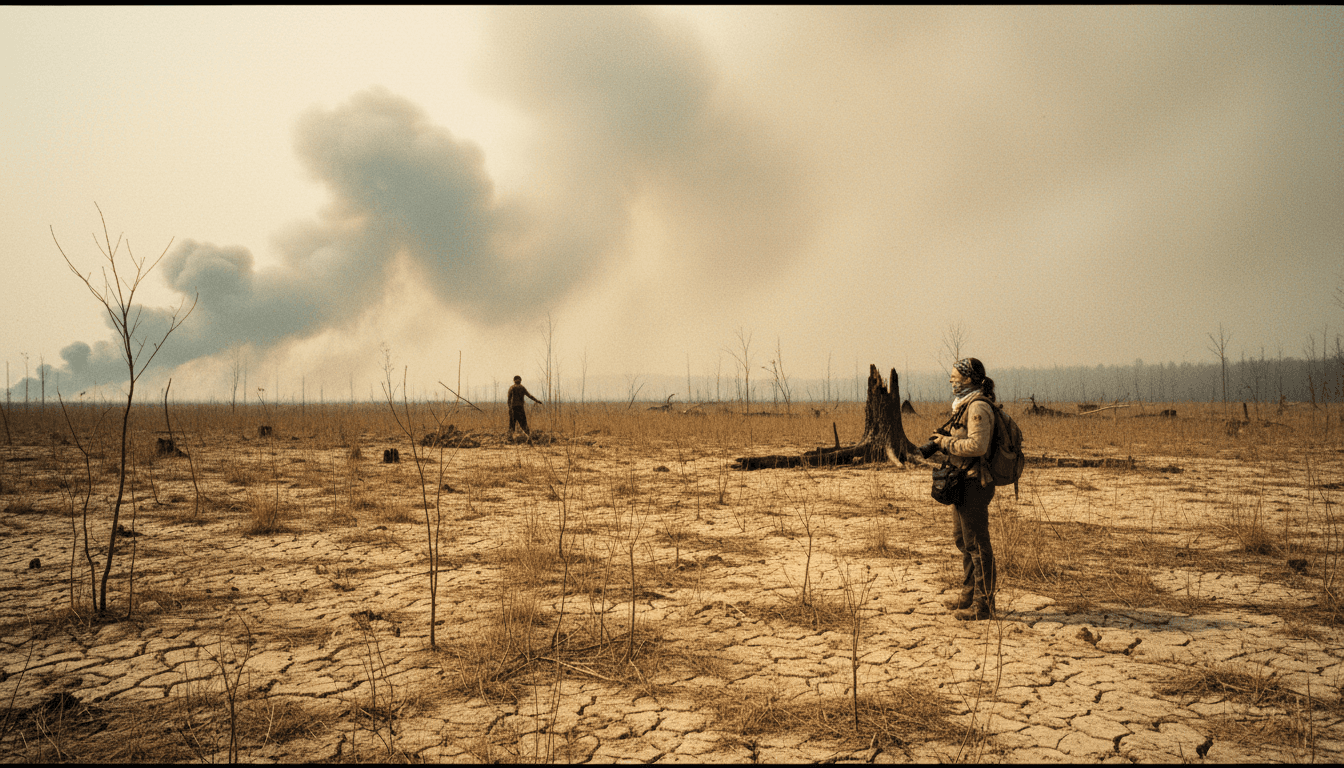
Wildfires ravage Southeast as drought increases, painting a stark picture of escalating climate challenges across the region. As of Sunday, April 26, 2026, the southeastern United States is grappling with a severe outbreak of wildfires, a direct consequence of prolonged drought conditions that have intensified over recent weeks. The Weather Channel reported on this unfolding crisis, highlighting the widespread impact on communities and ecosystems.
The current wildfire situation involves numerous blazes spanning across several states in the Southeast. While specific incident numbers or exact acreage burned were not detailed in the initial report, the use of the term ‘ravage’ indicates a significant and destructive scale. Emergency services and environmental agencies are undoubtedly mobilizing to contain these fires, protect populated areas, and mitigate further ecological damage. The immediate concern is the safety of residents in affected areas, along with the immense strain placed on firefighting resources.
Wildfires Ravage Southeast: Escalating Environmental Crisis
The intensifying wildfires ravage Southeast as drought increases, underscoring a critical intersection of climate change and regional vulnerability. This event is not merely a localized disaster but a potent symptom of broader environmental shifts. Prolonged drought, exacerbated by changing weather patterns, creates tinderbox conditions, making landscapes highly susceptible to ignition and rapid fire spread. The loss of forests and natural habitats contributes to biodiversity decline, impacts air quality across vast distances, and can lead to long-term soil degradation and increased erosion risk. Economically, these fires devastate agricultural lands, disrupt local economies, and incur massive costs for suppression and recovery efforts. For a deeper look into regional climate impacts, explore our recent analysis of climate resilience strategies.
Furthermore, the smoke plumes from these fires contribute to atmospheric pollution, posing significant health risks, particularly for individuals with respiratory conditions. This annual cycle of drought and wildfire, increasingly severe, demands a robust re-evaluation of land management practices, water conservation policies, and regional climate adaptation strategies.
“The escalating frequency and intensity of wildfires in the Southeast serve as a stark reminder of the urgent need for comprehensive climate resilience and proactive environmental stewardship.”
Context and Background
The Southeast has historically experienced periods of drought and wildfire, but the current severity and frequency appear to be trending upwards. Scientists and climate experts have long warned that global warming would lead to more extreme weather events, including prolonged droughts and more intense fire seasons in vulnerable regions. The region’s diverse ecosystems, ranging from pine forests to wetlands, are all susceptible to fire, with varying ecological impacts. Previous decades have seen significant wildfires, but the increasing aridity in conjunction with higher average temperatures creates a more volatile environment. This pattern is consistent with global trends observed in other fire-prone regions like the American West and Australia, where climate change is undeniably altering fire regimes. Understanding these historical patterns is crucial for forecasting future risks and developing effective mitigation strategies.
What’s Next for the Southeast
Looking ahead, the immediate future for the Southeast will involve continued efforts to contain the active wildfires and manage their immediate aftermath. This includes assessing damage, supporting affected communities, and initiating recovery operations. From a policy perspective, this crisis is likely to intensify discussions around climate adaptation, water resource management, and forest fire prevention. Investments in early warning systems, advanced firefighting technologies, and community preparedness programs will become even more critical. There will also be a renewed focus on long-term strategies to enhance ecosystem resilience, such as prescribed burning programs and sustainable forestry practices, to reduce the fuel load and mitigate future wildfire risks. The ongoing drought conditions suggest that the threat of further wildfires will persist, requiring vigilance and sustained action throughout the dry season. Our reporting on sustainable land use policies offers additional context on such preventative measures.
Key Takeaway
The wildfires ravage Southeast as drought increases, serving as a critical indicator of the escalating environmental and economic costs associated with climate change. This event underscores the interconnectedness of weather patterns, ecological health, and human well-being. It is a powerful call to action for policymakers, industries, and communities to accelerate efforts in climate mitigation, invest in resilience, and adapt to a future where such extreme events may become the norm. The financial and human toll of these fires highlights the imperative for proactive environmental governance and sustainable practices to safeguard both natural capital and regional prosperity.