A historic surge in coastal floods, once rare occurrences, are now becoming significantly more commonplace due to human-induced climate change pushing sea levels higher, according to groundbreaking new research published Wednesday. These findings, appearing in the journal Nature Climate Change, are deemed crucial for future planning regarding coastal infrastructure and flood mitigation strategies as global temperatures continue their upward trajectory.
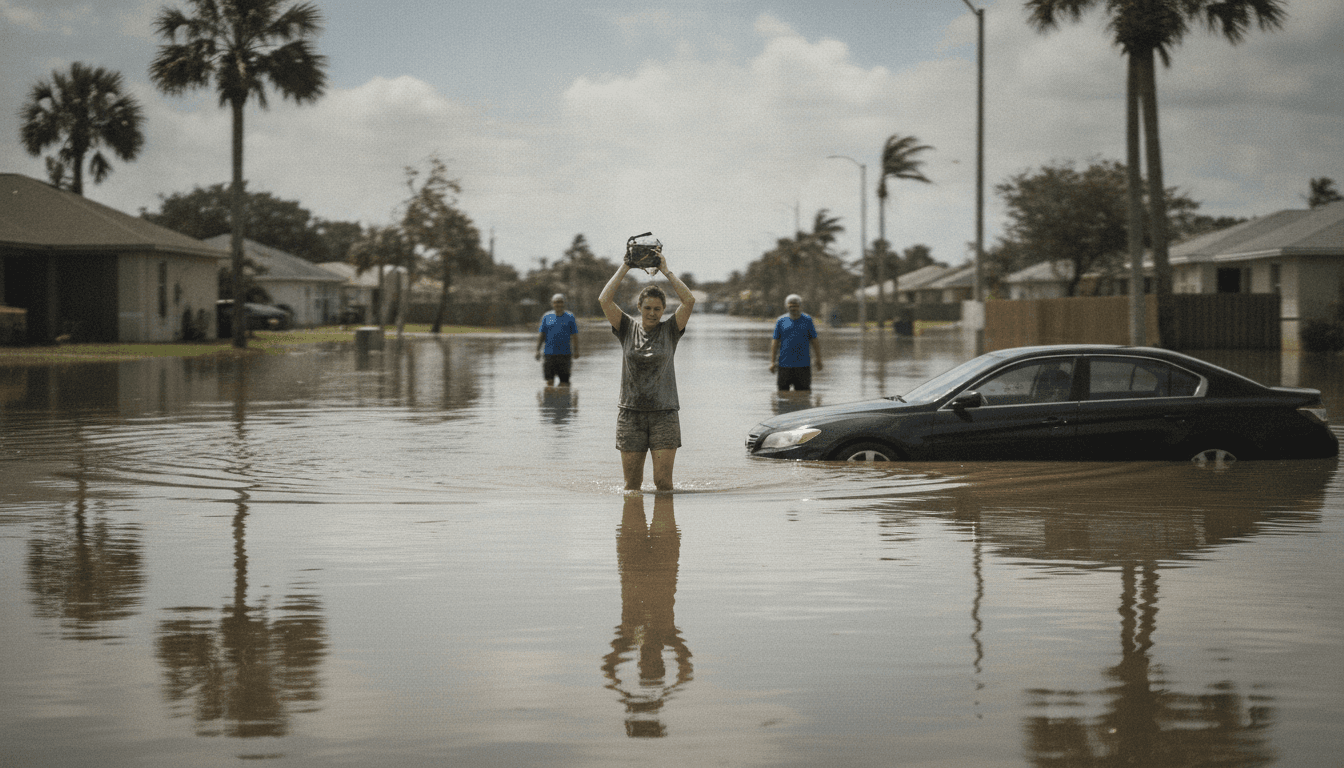
Extreme coastal floods manifest when the confluence of high tides and significant storm surges combine with already elevated sea levels. These factors are further exacerbated by natural climate patterns and other human influences. Scientists point to the intensifying nature of storms, citing Hurricane Ian in 2022 as a prime example of climate change’s impact on severe flooding events. Such floods pose an annual threat to hundreds of millions residing in low-lying coastal regions worldwide, incurring billions in damages and often resulting in fatalities.
The study in Nature Climate Change reveals a stark increase in flood probability: events that historically had a mere 1% chance of affecting a coastline in a given year are now approximately 12 times more likely, on average. Human-driven climate change alone accounts for a quadrupling of this likelihood. Researchers meticulously analyzed long-term records from over 100 tide gauges and integrated climate modeling to assess the frequency of extreme sea level events. The study period, from 1900 to 2005, was limited due to a lack of sufficient models to isolate human-driven climate change instances beyond that point. Crucially, the researchers acknowledge that their findings likely underestimate the current risk, given the continued acceleration of human contributions to coastal extremes since 2005.
The Human Fingerprint on Rising Waters
While natural forces were largely responsible for sea level fluctuations earlier in the 20th century, the research unequivocally demonstrates that human-caused warming has been the primary driver of rising sea levels since the 1960s. This distinction between natural and anthropogenic influences is pivotal for understanding the escalating crisis.
Further corroborating these findings, a separate study published concurrently in Science Advances lends additional weight to the link between extreme ocean heights and climate change. This research attributes approximately 58% of all significant flood days between 2000 and 2018 to climate change. Moreover, the study indicates that climate change has, on average, nearly tripled the number of days where sea levels exceed extreme flood thresholds since the 1970s.
“Essentially every coastal flood today has human fingerprints on it through climate change,” said Ben Strauss, chief scientist at Climate Central and a co-author of the Science Advances study. “Without the extra bit of sea level rise caused by global heating, most of these events would not have reached the status of flood.”
Sönke Dangendorf, lead author of the Nature Climate Change study and an associate professor at Tulane University, emphasized that while their research did not fully dissect individual human factors, greenhouse gases – predominantly from the combustion of fossil fuels such as oil, gas, and coal – are the most significant contributors. “Since the 1970s, it’s by far the dominating factor, and this is of course not good news,” Dangendorf stated, underscoring the growing threat and the urgent need for enhanced community preparedness.
Implications for Coastal Resilience and Infrastructure
The implications of this historic surge in coastal floods are profound, particularly for urban planning and coastal protection strategies. Jeff Williams, a retired United States Geological Survey oceanographer not involved in either study, highlighted the necessity for planners to integrate these escalating threats into their considerations. He also raised critical questions about the substantial financial investment required for increased coastal protection and the equitable distribution of these costs. Williams pointed to the current protections for New Orleans as an example, suggesting they “will likely not be adequate beyond the next couple decades.”
Globally, there is a discernible shift towards renewable energy sources like solar and wind power. Last year marked a significant milestone, with clean power generation surpassing overall global electricity demand growth, and renewables accounting for over one-third of the world’s electricity mix for the first time. Even in the United States, despite past policy leanings towards fossil fuels, solar energy continues its expansion while coal power declines. Scientists have recently indicated that while the world is no longer on track for the most catastrophic warming scenarios, it is also not aligned with the best-case outcomes.
“The impacts, even of a relatively little sea level rise, can be pretty impactful on our coasts,” Dangendorf concluded. Despite the alarming projections, he offered a glimmer of hope: “There is a silver lining because we have control about how much we emit, right? So we can stop that development, at least to some degree.” The critical takeaway from these studies is clear: the human role in accelerating coastal flooding is undeniable, necessitating urgent and concerted efforts to both mitigate emissions and adapt to the inevitable changes already set in motion. For more insights on the escalating environmental challenges, explore our related environment & climate articles.