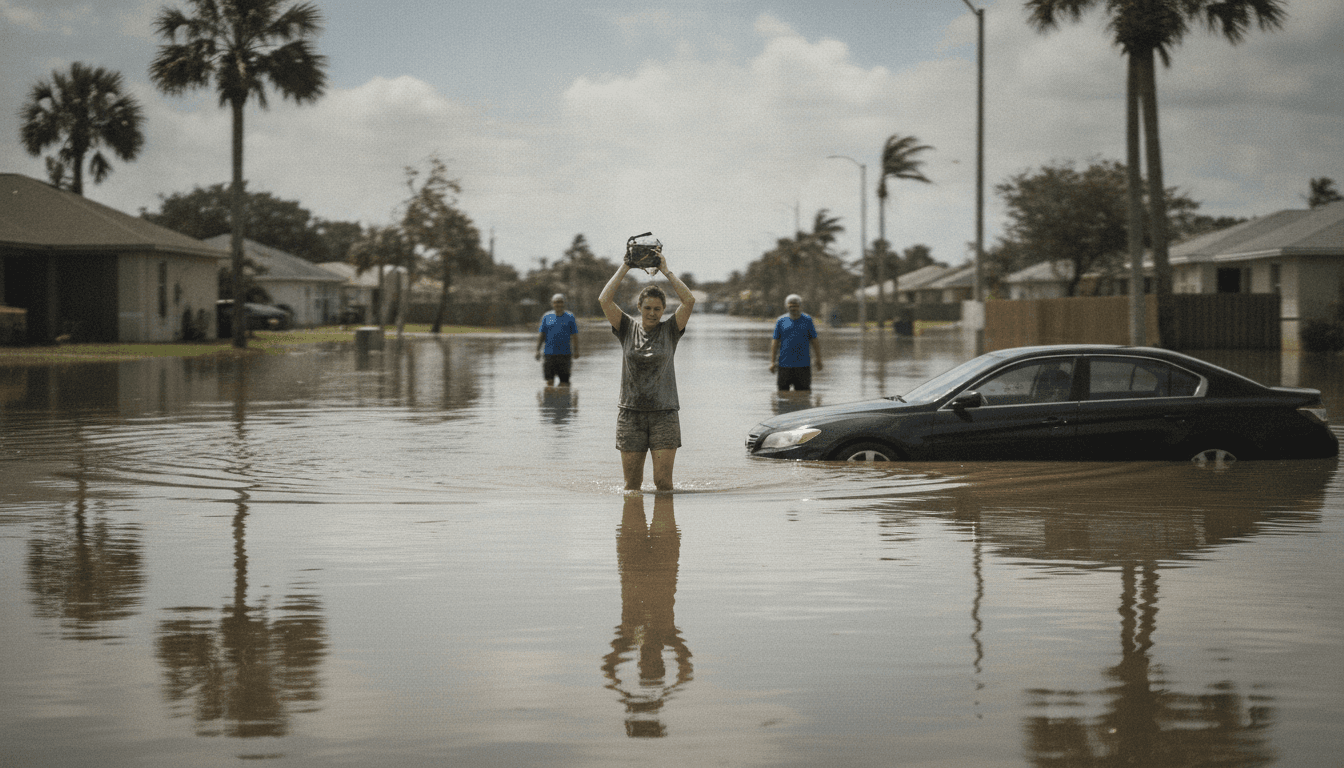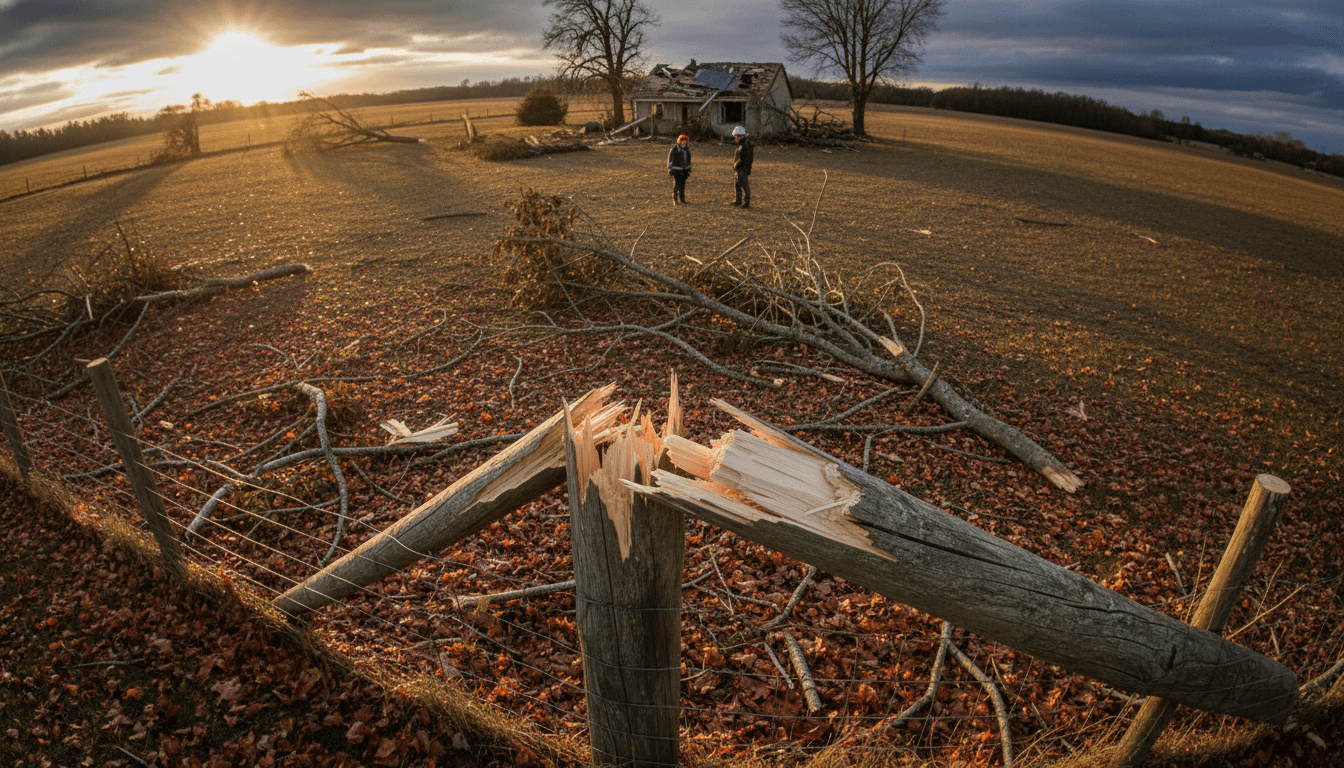
US severe weather warnings are in effect this week, with parts of the nation bracing for a dangerous confluence of tornadoes, damaging winds, and wildfires. This multifaceted threat, unfolding as the calendar turns to late May, underscores the escalating complexities faced by communities and emergency services across the country.
The Week’s Unfolding Peril
The latest forecasts, issued on Thursday, May 28, 2026, highlight an expansive severe weather event impacting various regions of the United States. While specific locations were not detailed in the initial alert, the broad warning for tornadoes and damaging winds suggests a dynamic atmospheric pattern capable of producing significant hazards. Concurrently, the mention of wildfires indicates heightened environmental vulnerability, likely exacerbated by dry conditions in other areas. This dual threat presents a formidable challenge, requiring coordinated responses from state and federal agencies.
The convergence of these distinct severe weather phenomena—atmospheric instability leading to tornadoes and high winds, alongside arid conditions fueling wildfires—is a concerning trend. Such events place immense strain on infrastructure, agricultural sectors, and human populations, often resulting in widespread power outages, property destruction, and displacement. The proactive issuance of US severe weather warnings allows for preparation, but the sheer scale of the potential impact remains a significant concern.
Impact Analysis
The broader environmental and climate landscape is increasingly defined by the frequency and intensity of such severe weather events. While attributing any single weather occurrence directly to climate change requires nuanced scientific analysis, the observed patterns of more extreme weather align with projections of a warming planet. Increased atmospheric energy can fuel more powerful storms, and shifting precipitation patterns can lead to both heavier rainfall and prolonged droughts, setting the stage for both floods and wildfires.
The economic ramifications of these events are substantial. Industries ranging from insurance to agriculture face mounting losses, impacting supply chains and commodity prices. Infrastructure resilience, particularly in energy transmission and transportation, is continually tested. Beyond the immediate destruction, the long-term recovery process often involves significant public and private investment, diverting resources that could otherwise be allocated to sustainable development or climate mitigation efforts. Related environment & climate articles frequently detail the financial burdens associated with climate-driven disasters.
“The increasing overlap of distinct severe weather threats—tornadoes in one region, wildfires in another—demands a more integrated and adaptive approach to disaster preparedness and climate resilience across the nation.”
Context & Background
The United States has a long history of severe weather, particularly in its central and southern regions, known as ‘Tornado Alley.’ However, recent decades have seen shifts in storm patterns and an expansion of affected areas. Similarly, wildfires, once largely confined to the western states, are now a growing concern in other parts of the country, fueled by hotter, drier conditions and increased fuel loads from decades of fire suppression. This week’s US severe weather warnings are not isolated incidents but rather fit into a broader trend of escalating climate volatility.
Industry trends in climate adaptation and risk management are rapidly evolving. Businesses and local governments are investing more in resilient infrastructure, early warning systems, and community education. The insurance industry, in particular, is grappling with rising payouts and the need to reassess risk models in the face of these changing patterns. Understanding the historical context of these events is crucial for forecasting future risks and developing effective long-term strategies.
What’s Next
In the immediate future, emergency services will focus on monitoring the progression of these severe weather systems and issuing targeted alerts to ensure public safety. For affected regions, recovery efforts will commence swiftly, involving damage assessment, humanitarian aid, and infrastructure repair. Looking ahead, this event will likely intensify discussions around climate resilience investments, particularly in hardening critical infrastructure against both extreme wind events and wildfire threats.
Policymakers will face renewed pressure to address both the root causes of climate change and the need for enhanced adaptation measures. Decisions on federal disaster aid, land management practices, and urban planning will be influenced by the lessons learned from this week’s events. The scientific community will continue to analyze the atmospheric conditions that led to this complex severe weather pattern, contributing to improved forecasting models.
Key Takeaway
The confluence of tornadoes, damaging winds, and wildfires highlighted by this week’s US severe weather warnings serves as a stark reminder of the multifaceted and intensifying challenges posed by a changing climate. It underscores the critical need for proactive planning, robust infrastructure, and collaborative efforts across all levels of government and society to mitigate risks and build resilience in the face of increasingly unpredictable and severe environmental threats. The financial and human costs of inaction continue to mount, making strategic investments in climate adaptation an economic imperative. For further analysis on climate impacts, visit our dedicated section.