The United States endured nearly two dozen billion-dollar weather and climate disasters in 2025, a stark indicator of escalating climate risks and their profound economic implications. This significant tally, reported on Sunday, April 26, 2026, by AOL.com, underscores the accelerating frequency and intensity of extreme weather events impacting the nation’s infrastructure, economy, and communities.
The Story: A Costly Year for the United States
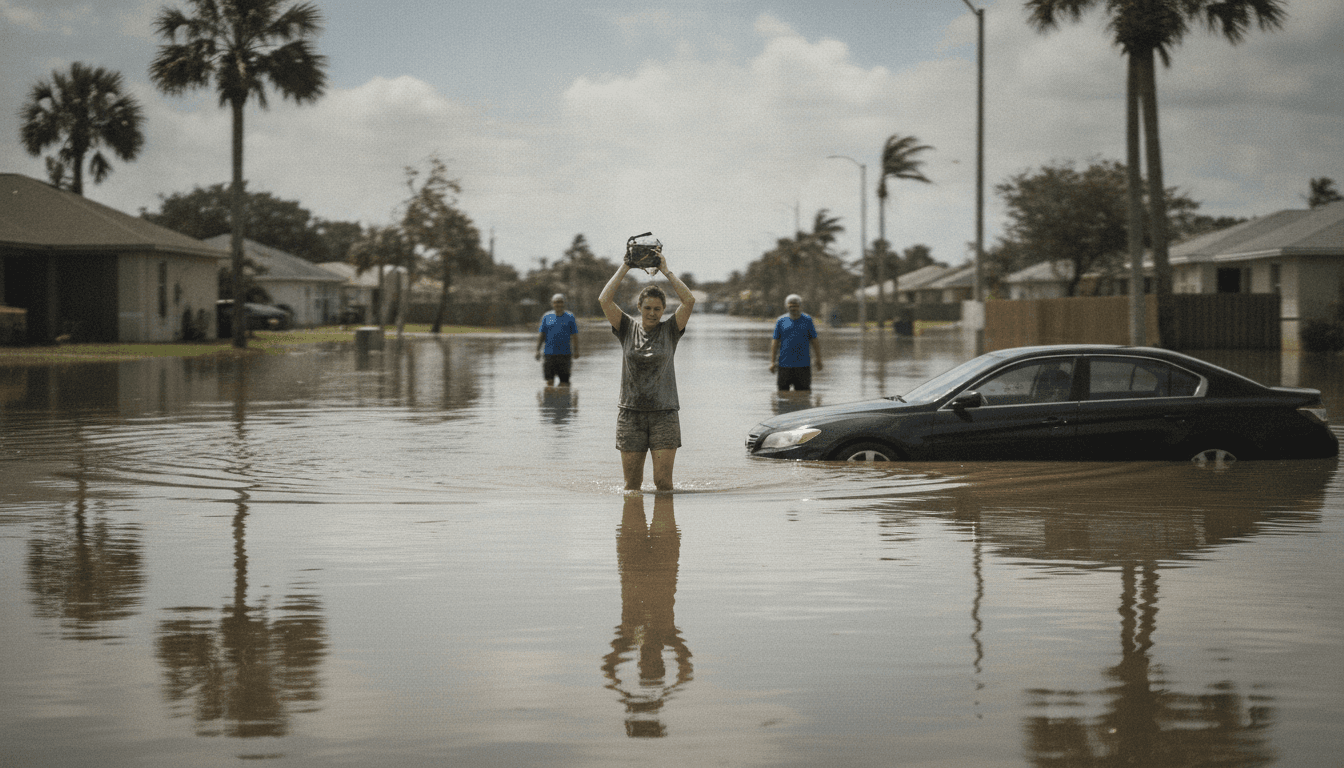
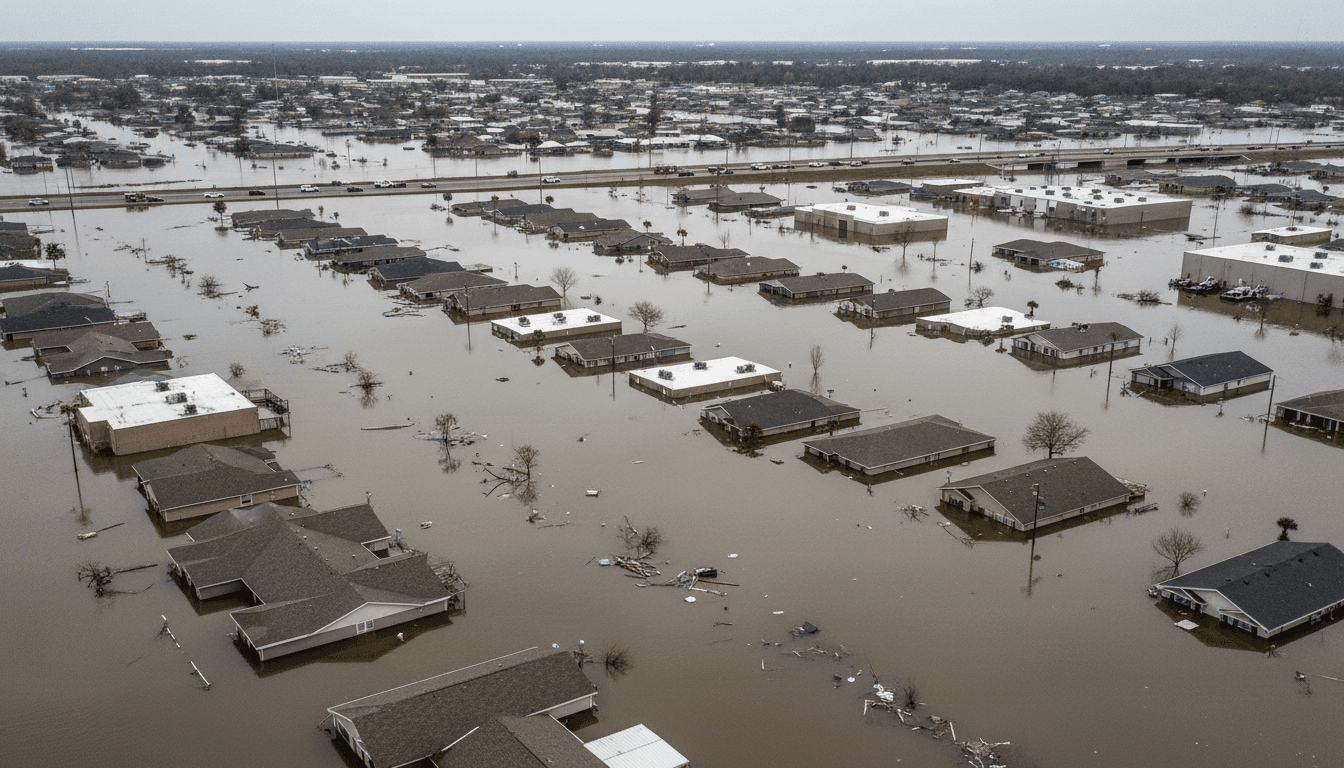
In 2025, the United States was hit by nearly two dozen separate weather and climate events that each surpassed the one-billion-dollar mark in damages. While specific details regarding the types of disasters, their precise locations, or the exact monetary figures for each event were not enumerated in the initial report, the sheer volume of such high-cost incidents points to a challenging year for disaster response and recovery efforts nationwide. These events likely encompassed a range of phenomena, from severe storms, floods, and droughts to wildfires and tropical cyclones, all increasingly amplified by changing climate patterns. The financial burden of these disasters extends beyond immediate property damage, affecting supply chains, agricultural output, insurance markets, and federal aid programs.
Impact Analysis: Broadening Economic and Environmental Strain
The occurrence of nearly two dozen billion-dollar weather and climate disasters in 2025 signals a deepening crisis in the broader environment and climate landscape. Each billion-dollar event represents not just a financial loss, but also significant human disruption, ecological damage, and long-term recovery challenges. These events strain local and state budgets, often requiring substantial federal assistance, which in turn impacts national fiscal health. For businesses, particularly those in agriculture, real estate, and tourism, the increased frequency of these disasters translates into higher operational costs, greater insurance premiums, and heightened risk exposure. Furthermore, the environmental toll includes habitat destruction, soil erosion, water contamination, and increased carbon emissions from recovery and rebuilding efforts. The consistent rise in such events puts immense pressure on critical infrastructure, from power grids to transportation networks, exposing vulnerabilities that require urgent adaptation and resilience investments. Related environment & climate articles frequently highlight the intertwined nature of economic stability and environmental health.
“The persistent rise in billion-dollar weather and climate disasters is not merely a statistical anomaly; it represents a fundamental shift in the risk landscape for the U.S. economy, demanding a strategic re-evaluation of our infrastructure, insurance models, and climate adaptation policies.”
Context & Background: A Trend of Escalation
The trend of increasing billion-dollar weather and climate disasters is not new but has been accelerating over the past few decades. Historically, the U.S. has experienced an average of fewer such events annually. However, climate change is intensifying weather patterns, leading to more extreme heatwaves, heavier precipitation, stronger hurricanes, and prolonged droughts. This escalation means that what were once considered rare or localized events are now becoming more commonplace and widespread. Previous years have also seen significant numbers of costly disasters, but the nearly two dozen billion-dollar weather and climate disasters in 2025 underscore a trajectory that is becoming increasingly difficult to manage. This trend is a key driver behind the growing demand for climate-resilient infrastructure and sustainable investment strategies across various sectors.
What’s Next: Adaptation, Mitigation, and Policy Shifts
Looking ahead, the implications of nearly two dozen billion-dollar weather and climate disasters in 2025 are profound. Policymakers face increasing pressure to accelerate climate change mitigation efforts, reduce greenhouse gas emissions, and invest heavily in adaptation strategies. This includes strengthening infrastructure to withstand future shocks, developing more robust early warning systems, and implementing nature-based solutions to enhance resilience. The insurance industry is likely to continue adjusting its models and pricing, potentially making coverage more expensive or difficult to obtain in high-risk areas. Furthermore, decisions regarding land use planning, building codes, and emergency preparedness will need to be re-evaluated and reinforced. The private sector will also play a crucial role, with businesses increasingly integrating climate risk into their long-term strategic planning and investment decisions. The financial standard’s coverage of climate finance often explores these evolving investment landscapes.
Key Takeaway: The Cost of Inaction
The fact that the U.S. experienced nearly two dozen billion-dollar weather and climate disasters in 2025 is a critical reminder of the tangible and escalating costs of climate change. It highlights that environmental shifts are no longer distant threats but present-day economic realities. The frequency and severity of these events demand a comprehensive and urgent response, encompassing both aggressive emissions reductions and substantial investments in climate resilience. Failure to address these challenges effectively will only lead to greater economic disruption, increased human suffering, and a more precarious future for communities across the nation.