Unprecedented West heat, drought, and wildfire have shattered records across the Western United States, painting a stark picture of escalating climate impacts. The region is grappling with a confluence of extreme weather events that are testing infrastructure, natural ecosystems, and human resilience, as revealed on Wednesday, April 8, 2026.
The Story: A Region Under Siege
The Western U.S. is currently experiencing a critical environmental crisis, with record-breaking heatwaves exacerbating an already severe drought and fueling an unprecedented wildfire season. While specific actors or organizations involved in direct response were not detailed in the latest reports, the collective impact points to a widespread emergency affecting numerous communities, agricultural sectors, and natural resource management agencies across the vast region.
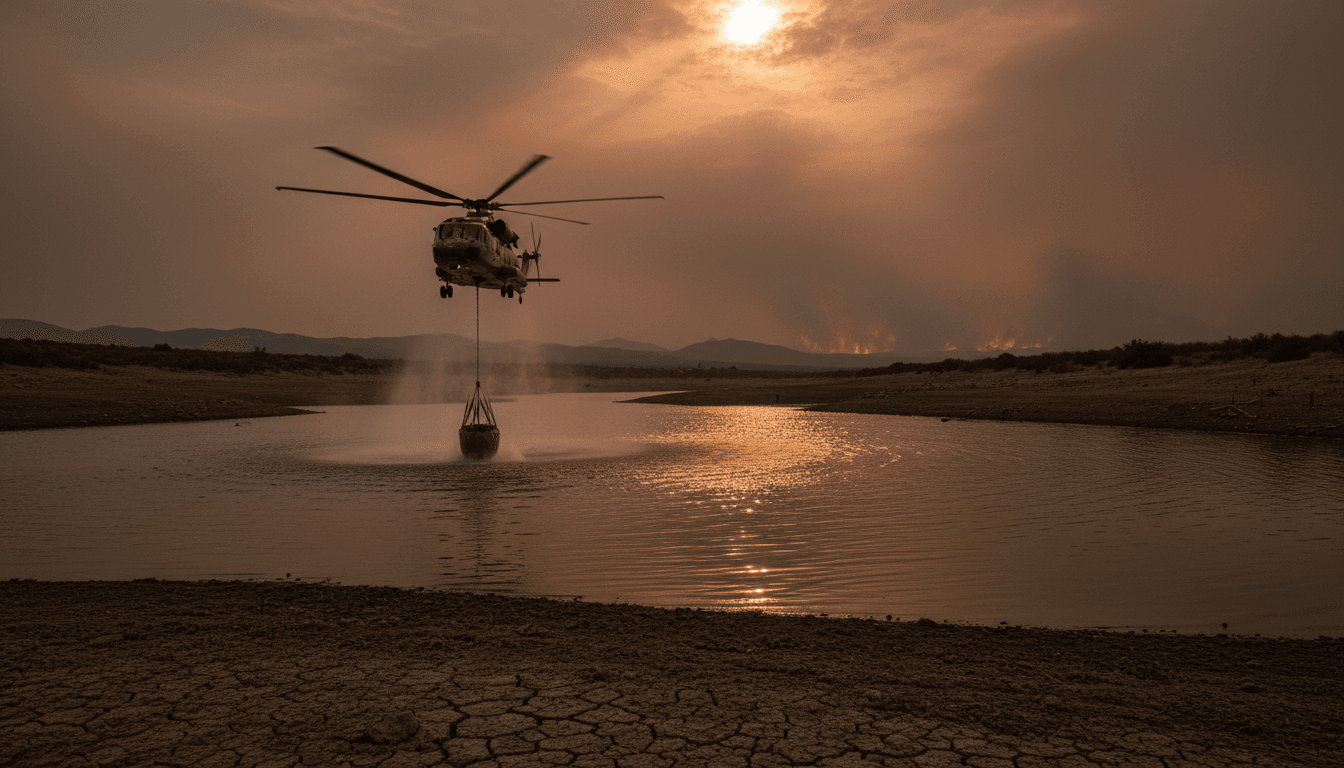
The key details underscore the intensity of these phenomena: temperatures have soared to historic highs, pushing already parched landscapes to their breaking point. This intense heat accelerates evaporation, deepening the drought conditions that have plagued the West for years. The dry vegetation, a direct consequence of prolonged drought, becomes highly combustible, creating ideal conditions for wildfires to ignite and spread with terrifying speed and intensity. The sheer scale of these record-shattering events suggests a systemic shift rather than isolated incidents, demanding a comprehensive and sustained response.
Impact Analysis: A Broader Environmental & Climate Landscape
The shattering of these records for heat, drought, and wildfire in the West carries profound implications for the broader environment and climate landscape. Ecologically, the sustained heat and lack of moisture stress native plant and animal species, leading to habitat loss, reduced biodiversity, and increased vulnerability to disease. Water resources, already strained, face further depletion, impacting everything from municipal supply to hydroelectric power generation and agricultural irrigation. The massive wildfires release significant amounts of greenhouse gases, creating a feedback loop that further contributes to global warming. Air quality also suffers dramatically, posing severe health risks to millions.
“The convergence of extreme heat, persistent drought, and explosive wildfires is not merely a series of unfortunate events; it represents a critical acceleration of climate change impacts, challenging our fundamental understanding of regional resilience.”
Economically, the costs are staggering. Agricultural losses mount as crops fail and livestock struggle. Infrastructure, including power grids and transportation networks, is vulnerable to both extreme heat and wildfire damage. The tourism industry, a vital component of many Western economies, also faces significant disruption. The human toll, while not quantified in the latest reports, includes displacement, property destruction, and health crises from smoke inhalation and heatstroke. The unprecedented West heat is reshaping the future of the region.
Context & Background: A Warming Trend
The current crisis is not an anomaly but rather an intensification of trends that have been observed and predicted for decades. The Western U.S. has experienced a long-term warming trend, with scientific consensus pointing to human-induced climate change as a primary driver. Previous events, such as the severe droughts of the early 2000s and recent record-breaking wildfire seasons, served as stark warnings. However, the current confluence of extreme conditions suggests that these warnings are now manifesting with greater frequency and intensity. Industry trends, particularly in water management, forestry, and energy, are increasingly focused on adaptation and mitigation strategies, though the scale of the challenge continues to outpace current efforts. The unprecedented West heat is a clear sign of these escalating trends.
What’s Next: Adaptation and Mitigation Imperatives
Looking ahead, the implications of these record-shattering events are clear. Future decisions will undoubtedly revolve around enhancing resilience and accelerating climate action. This includes significant investments in water conservation technologies, forest management practices aimed at reducing wildfire risk, and the transition to renewable energy sources to mitigate further warming. Policy discussions will likely intensify regarding land use planning in fire-prone areas and the development of robust early warning systems for extreme weather. Predictions suggest that without aggressive global action to reduce emissions, the Western U.S. can expect more frequent and intense periods of unprecedented West heat, drought, and wildfire.
International cooperation and national policy will be crucial in addressing the root causes of these phenomena, while local communities will focus on immediate adaptation strategies. The scale of the challenge demands a multi-faceted approach, combining scientific innovation with community engagement and strong political will. Sustainable practices are no longer optional but essential for survival.
Key Takeaway: Why This Matters
The shattering of heat, drought, and wildfire records in the West is more than just a news story; it is a critical bellwether for the accelerating pace of climate change globally. It underscores the urgent need for comprehensive climate policies, significant investment in resilience, and a fundamental shift in how societies interact with their environment. The economic, ecological, and human costs of inaction are escalating rapidly, making the current crisis a powerful argument for immediate and decisive action to mitigate the impacts of a warming planet.