Spain Records May Sea Temperature Record, signaling a concerning acceleration in climate change impacts across its vital marine ecosystems. Data released on Wednesday, June 3, 2026, confirms that the nation’s coastal waters experienced unprecedented warmth throughout May, surpassing all previously documented averages for the month. This development is not merely an isolated statistical anomaly but rather a stark indicator of the broader, intensifying thermal stress on the Mediterranean and Atlantic environments surrounding the Iberian Peninsula, with significant implications for marine life, coastal economies, and regional climate patterns.
The Story: Unprecedented Warmth
The record sea temperatures observed in Spain during May 2026 mark a critical juncture in the ongoing climate crisis. While specific numerical figures were not disclosed in the initial report, the designation of ‘record’ status underscores the severity of the warming trend. This phenomenon impacts a wide geographical area, encompassing both Spain’s Mediterranean and Atlantic coastlines, crucial for tourism, fishing, and biodiversity. The implications extend to the delicate balance of marine ecosystems, where even slight temperature increases can trigger cascading effects, from altered migration patterns of fish to coral bleaching events in warmer regions.
This sustained warmth over an entire month points to systemic changes rather than transient weather patterns. Scientists and climate observers have been monitoring rising sea temperatures globally, but the speed and intensity of this particular warming event in Spanish waters are particularly alarming. The absence of a cool-down period within the month suggests that the marine heatwave is persistent, potentially leading to prolonged stress on marine flora and fauna.
Impact Analysis: Ecological and Economic Repercussions
The immediate impact of Spain’s record May sea temperatures is primarily ecological. Elevated water temperatures can reduce oxygen levels, leading to ‘dead zones’ where marine life struggles to survive. This can decimate fish stocks, affecting both local fisheries and the broader food web. Species adapted to cooler waters may be forced to migrate, disrupting established ecosystems and potentially introducing invasive species to new areas. For Spain, a nation heavily reliant on its maritime resources for both food and tourism, these ecological shifts carry significant economic weight.
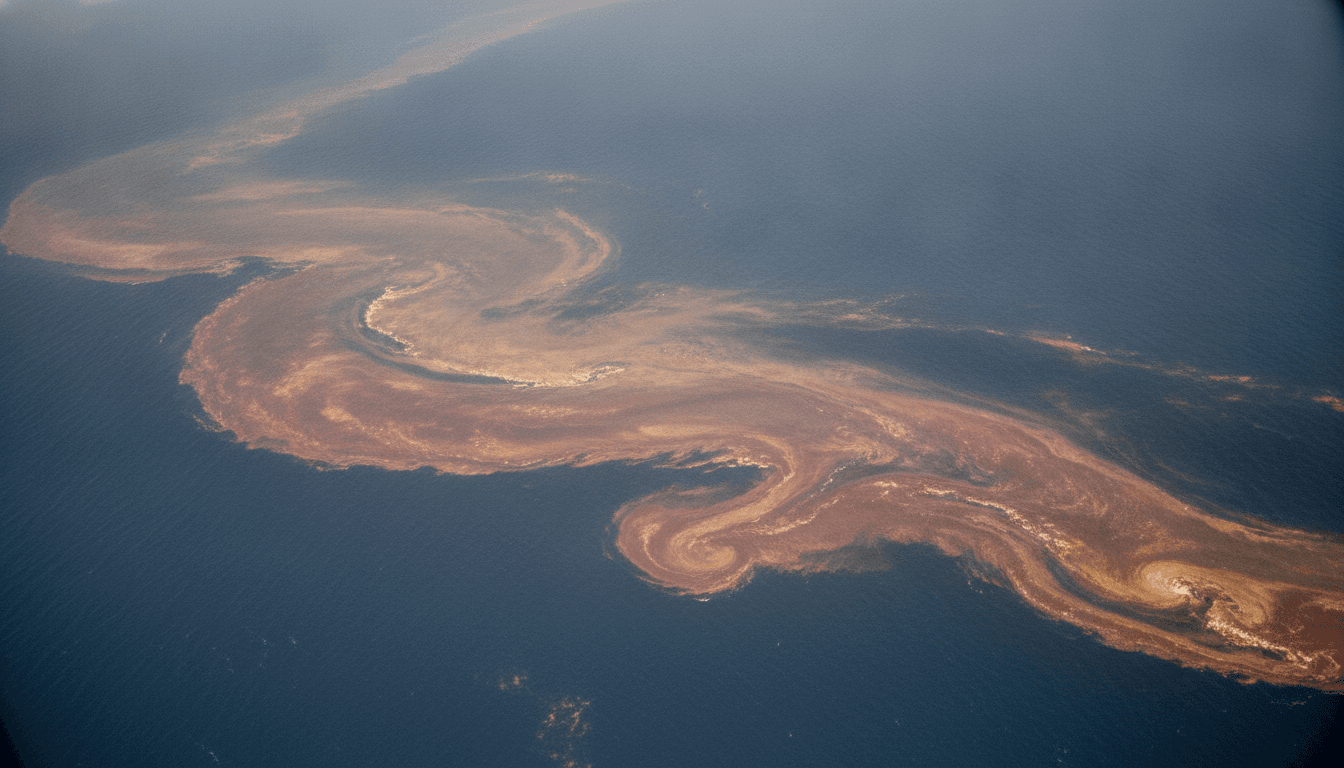
Coastal tourism, a cornerstone of the Spanish economy, could face challenges. Warmer waters can contribute to more frequent and intense algal blooms, impacting water quality and the aesthetic appeal of beaches. Furthermore, the long-term health of marine protected areas and their biodiversity, which attract eco-tourism, is directly threatened. The fishing industry, already navigating complex regulations and fluctuating stocks, will likely face increased uncertainty as traditional fishing grounds shift or decline in productivity.
“The persistent warming of our seas is not just an environmental issue; it’s an economic threat to our coastal communities and a stark reminder of the urgency of climate action.”
Context & Background: A Warming Trend
This Spain Records May Sea Temperature Record event is not an isolated incident but rather fits into a broader pattern of global ocean warming driven by climate change. For years, scientific reports have highlighted the increasing heat content of the world’s oceans, with the Mediterranean Sea being identified as a particular hotspot for warming. Previous summers have seen marine heatwaves impact the region, but a record-breaking May suggests an earlier onset and potentially more severe summer ahead.
The underlying drivers are well-understood: anthropogenic greenhouse gas emissions trapping heat in the Earth’s atmosphere, with a significant portion of this excess heat absorbed by the oceans. This absorption buffers terrestrial temperatures but at the cost of profound changes to marine environments. Spain, with its extensive coastline and diverse marine ecosystems, is particularly vulnerable to these changes.
What’s Next: Adaptation and Mitigation
Looking ahead, the record sea temperatures in Spain necessitate urgent discussions and actions on both adaptation and mitigation fronts. Governments and scientific bodies will likely intensify monitoring efforts to track the progression and consequences of these marine heatwaves. Policy responses may include stricter regulations on coastal development, increased investment in marine conservation efforts, and support for fisheries to adapt to changing conditions. The event will undoubtedly add pressure to international climate negotiations, emphasizing the need for more ambitious emissions reduction targets.
For businesses, particularly those in tourism and fishing, understanding and preparing for these climatic shifts will be crucial. This might involve diversifying offerings, investing in sustainable practices, or exploring new markets. The scientific community will continue to analyze the long-term implications, predicting potential shifts in biodiversity, ocean currents, and even atmospheric weather patterns influenced by warmer seas.
Key Takeaway: The Urgency of Action
The fact that Spain Records May Sea Temperature Record serves as a potent reminder of the accelerating pace of climate change and its tangible, immediate impacts. It underscores that climate change is not a distant threat but a present reality, reshaping natural environments and economies. The record temperatures in Spain’s waters are a call to action for governments, industries, and individuals to prioritize sustainable practices and robust climate policies to safeguard both marine ecosystems and the livelihoods dependent on them.