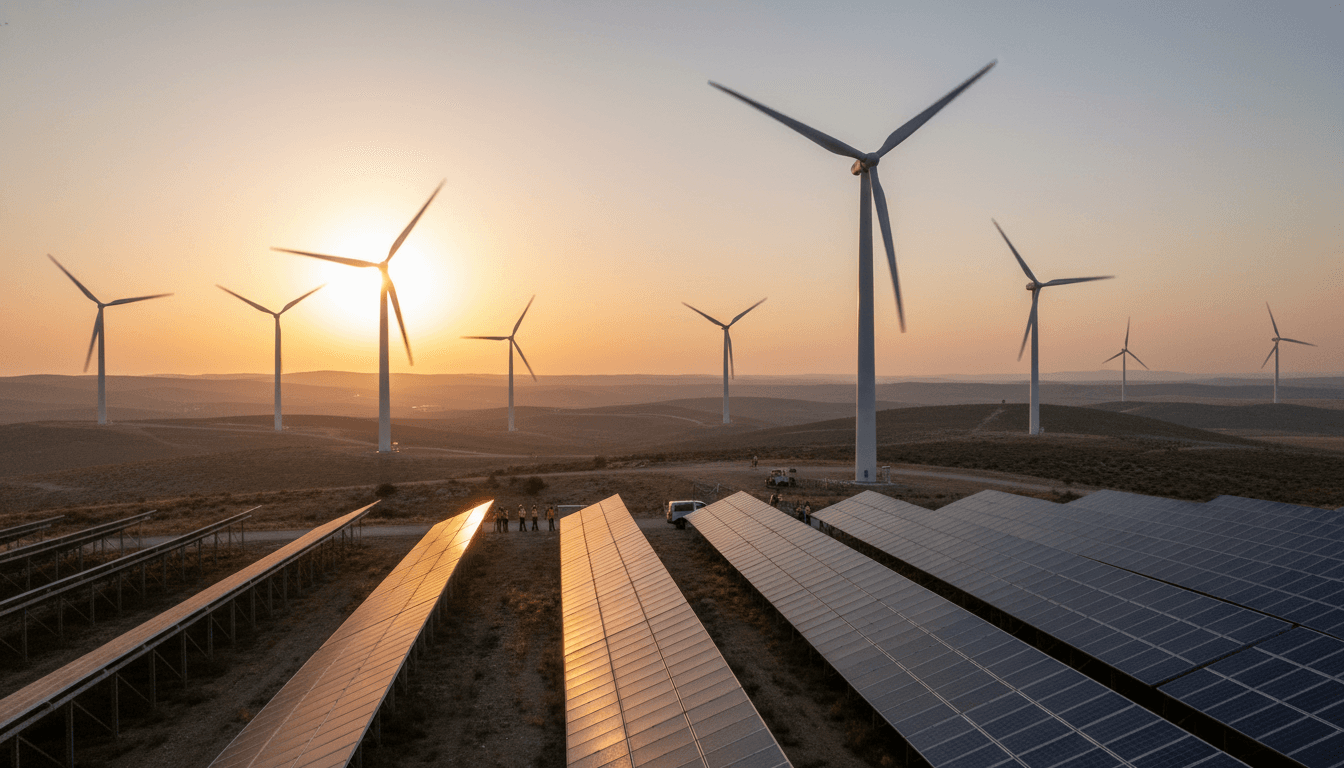
Record renewable output has driven Turkish power prices to historic lows, marking a significant milestone in the nation’s energy transition efforts. This unprecedented shift, reported on Friday, May 1, 2026, highlights the growing influence of green energy sources on wholesale electricity markets and their potential to reshape economic landscapes.
The Story: A Green Surge in Turkish Power
The dramatic reduction in Turkish power prices is a direct consequence of a surge in electricity generation from renewable sources. While specific figures for the record renewable output were not detailed in the report, the impact on market dynamics is clear: an abundance of clean energy has saturated the grid, pushing down the cost of electricity. This development is particularly notable for Turkey, a country that has historically relied heavily on fossil fuels but has been making concerted efforts to diversify its energy mix.
The immediate beneficiaries of these lower prices are expected to be businesses and consumers across Turkey, who will see reduced energy costs. This economic relief comes at a crucial time, offering a potential boost to industrial competitiveness and household budgets. The shift also underscores the increasing reliability and economic viability of renewable energy technologies, moving them from niche alternatives to dominant market players.
Impact Analysis: Broadening the Green Horizon
The implications of this record renewable output extend far beyond immediate price reductions. Environmentally, the increased reliance on renewables signifies a substantial decrease in greenhouse gas emissions from the power sector, contributing directly to Turkey’s climate goals and global efforts to combat climate change. Economically, it strengthens Turkey’s energy independence, reducing its vulnerability to volatile international fossil fuel markets. This shift towards indigenous, clean energy sources also fosters domestic job creation in the renewable energy sector, from manufacturing and installation to maintenance and research.
Moreover, the experience in Turkey could serve as a powerful case study for other developing nations grappling with energy security and climate commitments. It demonstrates that significant decarbonization can coincide with economic benefits, challenging the long-held perception that green energy comes at a premium. Related environment & climate articles often discuss the economic hurdles of transitioning to renewables, but Turkey’s recent success provides a counter-narrative.
“The consistent decline in power prices due to renewables proves that sustainable energy is not just an environmental imperative but a shrewd economic strategy, offering both stability and cost savings to nations committed to the transition.”
Context & Background: Turkey’s Renewable Journey
Turkey has been on an ambitious trajectory to increase its renewable energy capacity for over a decade. Driven by a combination of strategic energy security concerns, environmental commitments, and the falling costs of renewable technologies, the government has implemented various policies to incentivize investment in solar, wind, and hydropower. This includes feed-in tariffs, auctions for new capacity, and streamlined permitting processes. These efforts have steadily increased the share of renewables in the country’s energy mix, laying the groundwork for the current record renewable output.
Previous years have seen incremental gains, but the current report suggests a tipping point has been reached where renewable generation is now significantly influencing wholesale prices. This trend aligns with global patterns where countries with high renewable penetration, such as Germany and Denmark, have also experienced periods of exceptionally low, or even negative, electricity prices due to oversupply from wind and solar farms. This context highlights that Turkey’s achievement, while significant, is part of a broader global energy transition.
What’s Next: Sustaining the Momentum
Looking ahead, the challenge for Turkey will be to sustain this momentum and integrate even higher levels of intermittent renewable energy into its grid without compromising stability. This will likely involve further investments in grid modernization, energy storage solutions like battery parks, and smart grid technologies to manage fluctuating power supply. Policy decisions in the coming months and years will be crucial in determining whether this record renewable output becomes the new norm or an intermittent peak. Continued support for domestic manufacturing of renewable energy components could also further reduce costs and enhance energy independence. Discussions around new market mechanisms to manage periods of high renewable generation and potential oversupply are also anticipated.
Key Takeaway: The Economic Power of Green Energy
The story of Turkey’s power prices reaching historic lows due to record renewable output is a powerful testament to the economic viability and transformative potential of green energy. It demonstrates that the transition away from fossil fuels can not only mitigate climate change but also deliver tangible economic benefits, fostering energy security and reducing costs for consumers and industries alike. This development reinforces the argument that investing in renewables is not merely an environmental obligation but a sound economic strategy for the 21st century. As nations worldwide grapple with energy challenges, Turkey’s experience offers a compelling blueprint for how a sustained commitment to clean energy can yield significant and widespread positive impacts. For more insights on global energy shifts, explore our environment & climate coverage.