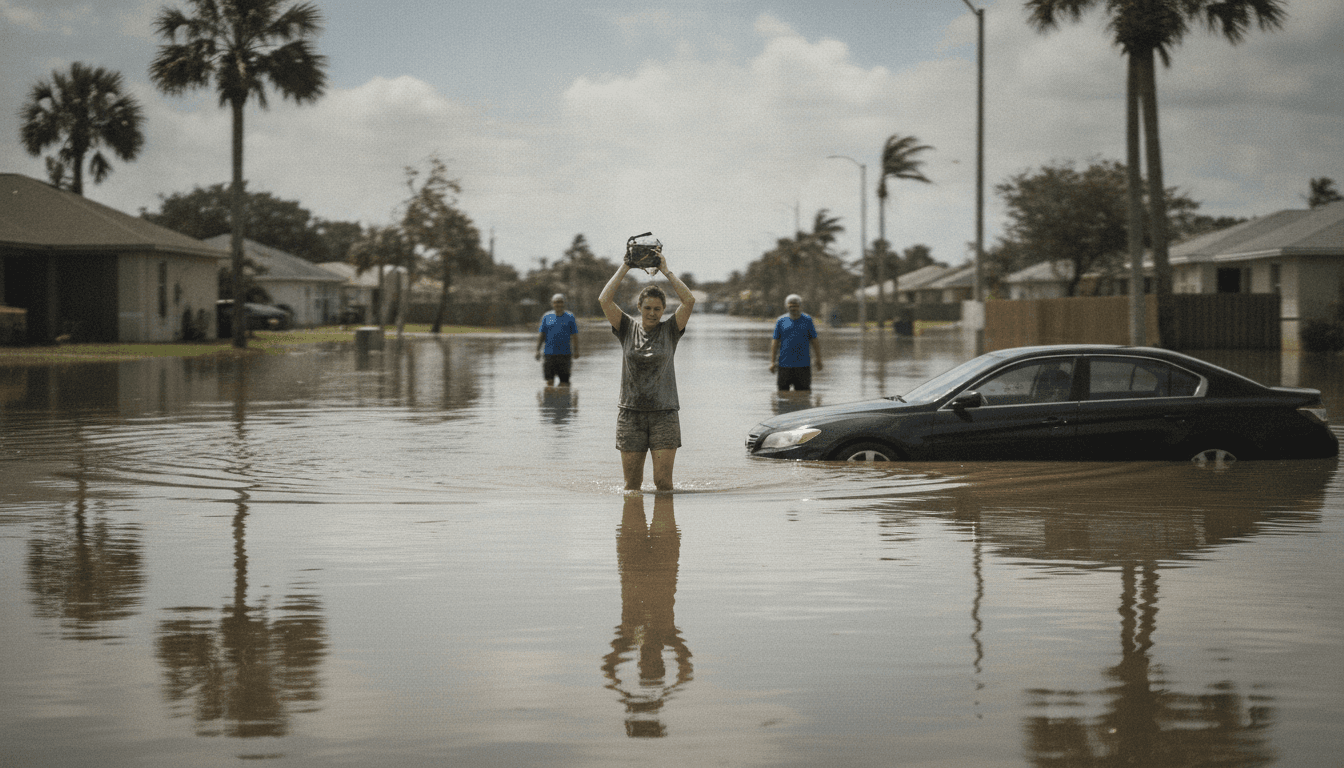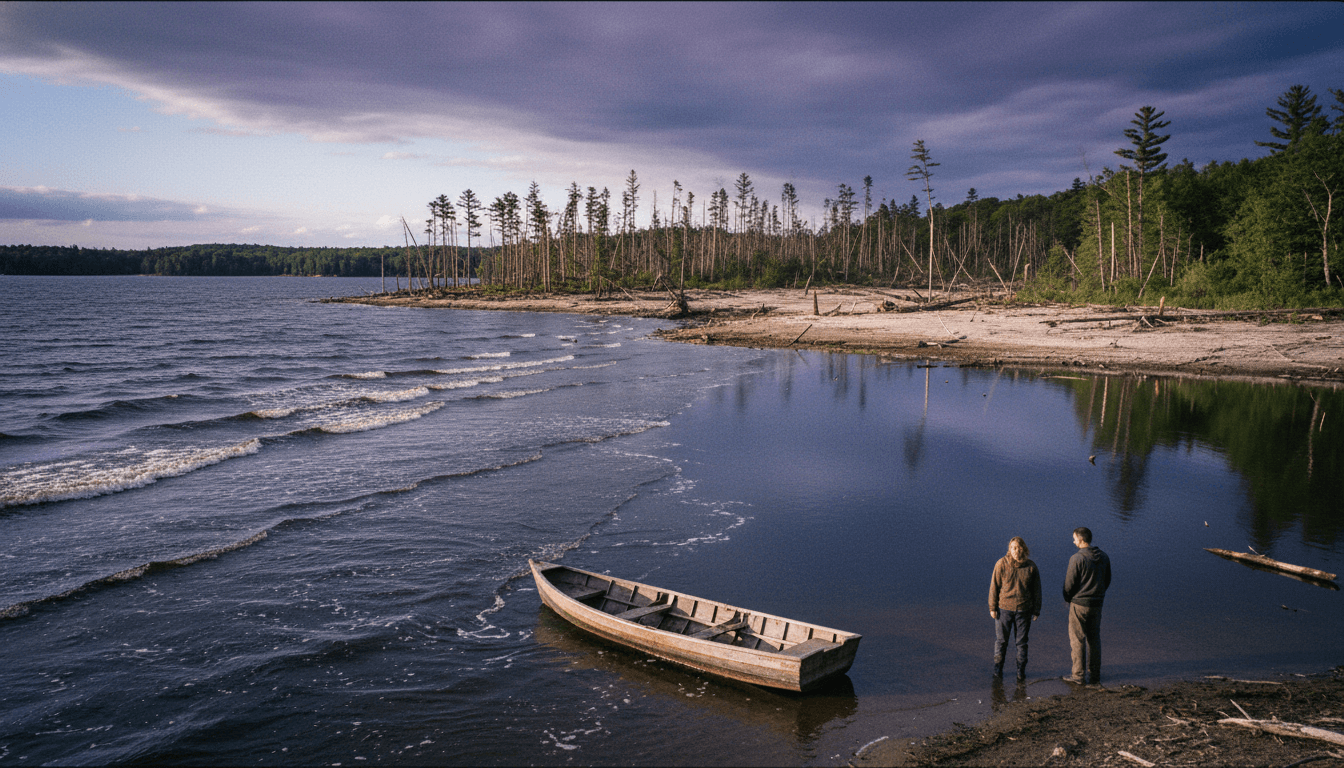
Northern Michigan’s extreme climate disaster has brought unprecedented challenges to the region, highlighting the escalating impacts of climate change on vulnerable ecosystems and communities. The event, reported on Sunday, May 3, 2026, by Circle of Blue, underscores a critical turning point for how the area grapples with environmental shifts and their far-reaching consequences.
The Story: Unfolding Crisis in Northern Michigan
The recent extreme climate disaster in Northern Michigan has left a significant mark, demanding immediate attention and long-term strategic planning. While specific details regarding who is involved or the exact nature of the disaster (e.g., severe flooding, prolonged drought, extreme temperature swings, or a combination) are not elaborated upon in the initial report, the designation of an ‘extreme climate disaster’ points to an event of substantial magnitude. Such an event typically involves widespread disruption to infrastructure, natural habitats, and local economies, affecting residents, businesses, and government agencies responsible for emergency response and environmental management. The timing, May 3, 2026, places this event firmly in the contemporary climate crisis narrative, suggesting a growing frequency and intensity of such occurrences.
Impact Analysis: Broadening Environmental & Climate Landscape
The implications of Northern Michigan’s extreme climate disaster extend far beyond the immediate geographical confines. Environmentally, such events often lead to irreversible damage to delicate ecosystems, altered hydrological cycles, and increased pressure on biodiversity. For instance, extreme precipitation can cause soil erosion, nutrient runoff into lakes and rivers, and habitat destruction for aquatic and terrestrial species. Conversely, prolonged droughts can devastate agricultural yields, increase wildfire risks, and strain water resources, impacting everything from local food security to recreational industries dependent on natural landscapes. The economic toll can be substantial, encompassing infrastructure repair costs, lost revenue from tourism and agriculture, and increased insurance premiums. This incident serves as a stark reminder of the financial vulnerabilities inherent in regions susceptible to climate extremes, reinforcing the need for robust climate adaptation and resilience strategies. Related environment & climate articles have consistently shown that unprepared regions face disproportionately higher economic and social costs.
“The Northern Michigan extreme climate disaster is not an isolated incident; it’s a potent indicator of the accelerating pace of climate change and the urgent need for comprehensive mitigation and adaptation strategies across all sectors.”
The event also influences the broader climate discourse, pushing for more aggressive policy actions at state and federal levels. It highlights the interconnectedness of global climate patterns and localized impacts, emphasizing that even seemingly remote areas are not immune to the consequences of a warming planet. Investors, too, are increasingly scrutinizing climate risks, with events like this potentially influencing investment decisions in regional infrastructure, real estate, and natural resource sectors.
Context & Background: A Shifting Climate Reality
Northern Michigan, known for its pristine natural beauty and reliance on tourism and agriculture, has historically experienced seasonal weather variations. However, recent decades have seen a noticeable shift towards more extreme and unpredictable weather patterns. While the specific historical context for this particular disaster is not provided, global climate trends indicate an increase in the frequency and intensity of extreme weather events worldwide. This includes heavier downpours, more severe heatwaves, and shifts in seasonal timings, all of which can contribute to conditions ripe for an extreme climate disaster. Previous reports from environmental organizations and scientific bodies have often warned about the vulnerability of regions like Northern Michigan to these evolving threats, particularly concerning water resources and forest ecosystems. The Great Lakes region, in particular, faces unique challenges related to lake levels, water temperatures, and invasive species, all exacerbated by climate change.
What’s Next: Navigating Future Implications
The aftermath of Northern Michigan’s extreme climate disaster will undoubtedly trigger a series of critical responses and decisions. Immediate efforts will likely focus on recovery and rebuilding, assessing the full extent of the damage, and providing aid to affected communities. Longer-term implications will involve a reassessment of existing infrastructure, land-use planning, and emergency preparedness protocols. There will likely be increased pressure on local and state governments to invest in climate-resilient infrastructure, such as improved stormwater management systems, updated building codes, and early warning systems for extreme weather events. The incident could also spur greater public engagement and advocacy for more robust climate policies, potentially influencing upcoming legislative decisions regarding environmental protection and resource allocation. Furthermore, businesses operating in the region may need to re-evaluate their supply chains and operational resilience in the face of future climate shocks. Discussions around carbon reduction targets and renewable energy adoption could gain renewed urgency following such a palpable demonstration of climate vulnerability. Discussions on climate finance and green bonds might also see a boost as regions seek funding for resilience projects.
Key Takeaway: The Urgency of Adaptation
The Northern Michigan extreme climate disaster serves as a stark and undeniable reminder of the escalating climate crisis and the urgent imperative for both mitigation and adaptation. It underscores that climate change is not a distant threat but a present reality, directly impacting lives, economies, and ecosystems. For investors, policymakers, and communities alike, the event highlights the critical importance of integrating climate risk into every decision-making process, from urban planning to financial strategies. Proactive measures to build resilience, reduce emissions, and safeguard natural resources are no longer optional but essential for navigating an increasingly volatile climate future. The long-term prosperity and stability of regions like Northern Michigan depend on a collective and decisive response to these profound environmental challenges.