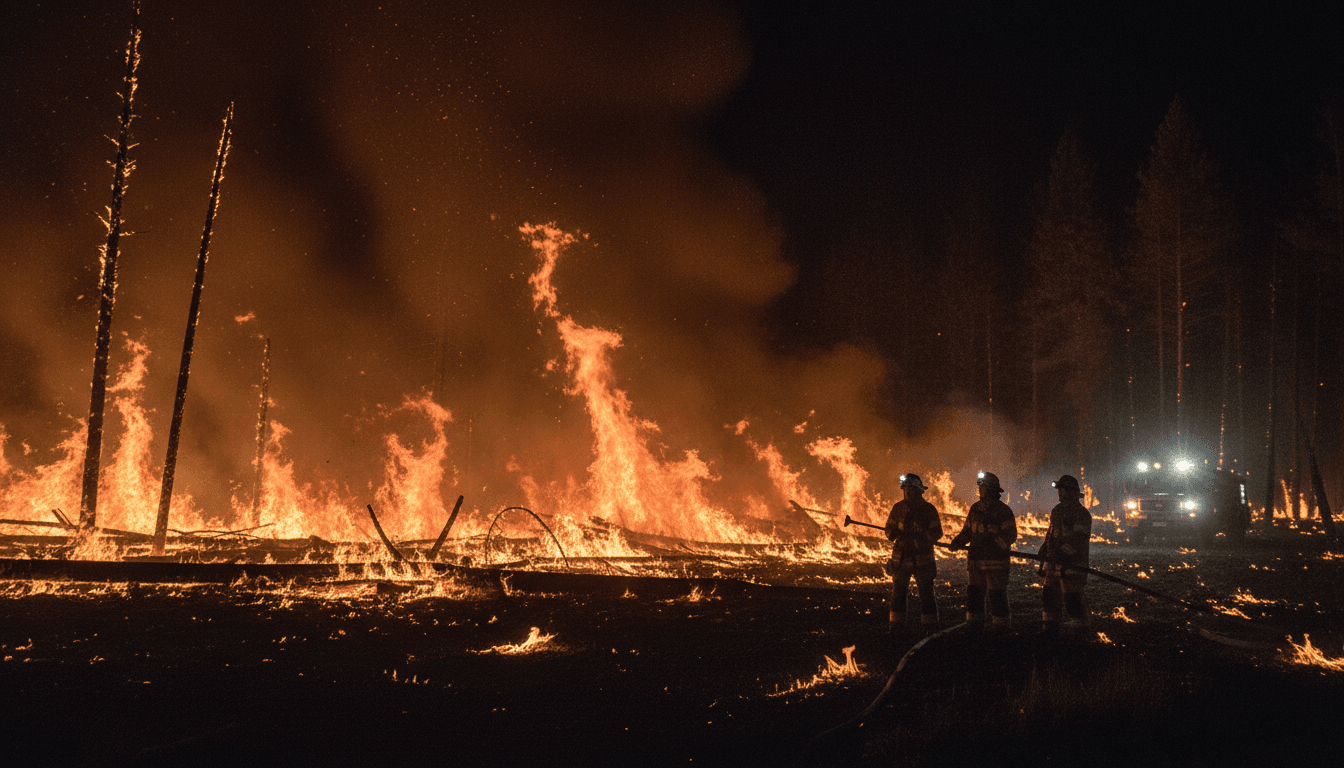
Nighttime wildfire breaks eroding is a dramatic shift in fire behavior, fundamentally altering how blazes are fought and managed, according to a new study released on Friday, April 17, 2026. This erosion of the typical nocturnal lull, historically a critical window for containment efforts, is directly attributed to the escalating impacts of climate change, posing unprecedented challenges for firefighters and communities.
The Shifting Dynamics of Wildfire Activity
The study, detailed in the Village Report, pinpoints a concerning trend where the traditional decrease in wildfire intensity and spread during cooler, more humid nighttime hours is becoming less pronounced. Historically, lower temperatures, increased relative humidity, and calmer winds after sunset have provided a crucial opportunity for fire crews to establish containment lines, conduct back-burning operations, and allow for crew rest. However, as global temperatures rise, these nocturnal conditions are increasingly being compromised.
Warmer nights mean that fuels dry out less, and the atmospheric stability that typically suppresses fire activity is diminished. This allows fires to burn more actively through the night, extending their destructive reach and significantly complicating suppression strategies. For fire management agencies, this means fewer hours of respite, increased strain on resources, and a higher risk for personnel operating in more persistent, aggressive fire environments.
Impact Analysis
The implications of nighttime wildfire breaks eroding extend far beyond the immediate fire lines. Ecologically, prolonged burning cycles can lead to more severe and destructive fires, altering ecosystems in ways that hinder regeneration and increase future fire risk. Economically, the cost of fighting these more persistent fires escalates dramatically, impacting local economies through infrastructure damage, business disruption, and increased insurance premiums. Communities in fire-prone regions face heightened anxiety and the constant threat of evacuation, with less predictable fire behavior making preparedness more challenging.
“The loss of nighttime breaks is a game-changer for wildfire management, turning what was once a period of strategic advantage into a continuous battle,” stated a leading climate scientist in the Village Report. “It demands a fundamental rethinking of our fire suppression tactics and resource allocation.”
This development also exacerbates air quality issues, as smoke plumes persist for longer periods, impacting public health across wider areas. The continuous burning means more particulate matter and harmful gases are released into the atmosphere, contributing to respiratory illnesses and other health complications for populations downwind. For more on the health impacts of climate change, see our related environment & climate articles.
Context and Background: A Warming World
This study on nighttime wildfire breaks eroding is not an isolated finding but rather reinforces a growing body of scientific evidence linking climate change to more extreme and frequent wildfire events globally. Decades of rising temperatures, altered precipitation patterns, and prolonged droughts have created ideal conditions for large, intense fires. Regions like the Western United States, Australia, and parts of Europe have already experienced unprecedented fire seasons in recent years, characterized by megafires that defy traditional containment methods.
Previous research has highlighted the expansion of fire seasons, increased fire intensity, and the spread of wildfires into areas historically less prone to them. This new study adds a critical dimension by focusing on the nocturnal phase of fire behavior, revealing a subtle yet profound shift that significantly compounds existing challenges. It underscores how climate change is not just increasing the quantity of fires, but fundamentally altering their qualitative characteristics.
What’s Next: Adapting to a New Reality
The findings necessitate a rapid adaptation of wildfire management strategies. This includes investing in advanced fire detection and monitoring technologies that can operate effectively 24/7, developing new suppression techniques tailored for continuous burning, and increasing resources for fire personnel, including better rest cycles and mental health support for crews facing relentless conditions. Furthermore, there is an urgent need for enhanced community preparedness, including improved early warning systems, evacuation plans, and fire-resistant infrastructure development.
Longer-term, the study reinforces the imperative for aggressive climate mitigation efforts to curb global warming. Without significant reductions in greenhouse gas emissions, the trend of nighttime wildfire breaks eroding is likely to intensify, pushing fire management systems to their breaking point. International cooperation and policy frameworks aimed at transitioning to renewable energy sources and implementing sustainable land management practices will be critical in addressing the root causes of this escalating crisis. The financial implications of these necessary adaptations and mitigation efforts will be substantial, requiring significant investment from both public and private sectors.
Key Takeaway
The erosion of typical nighttime wildfire breaks eroding represents a critical and alarming consequence of climate change, transforming the dynamics of wildfire activity from episodic events into relentless, round-the-clock threats. This shift demands immediate and innovative responses from fire management agencies, policymakers, and communities alike, while simultaneously underscoring the urgent global imperative to confront climate change at its source. The future of fire management hinges on our ability to adapt to these new realities and mitigate the underlying drivers of a warming planet.