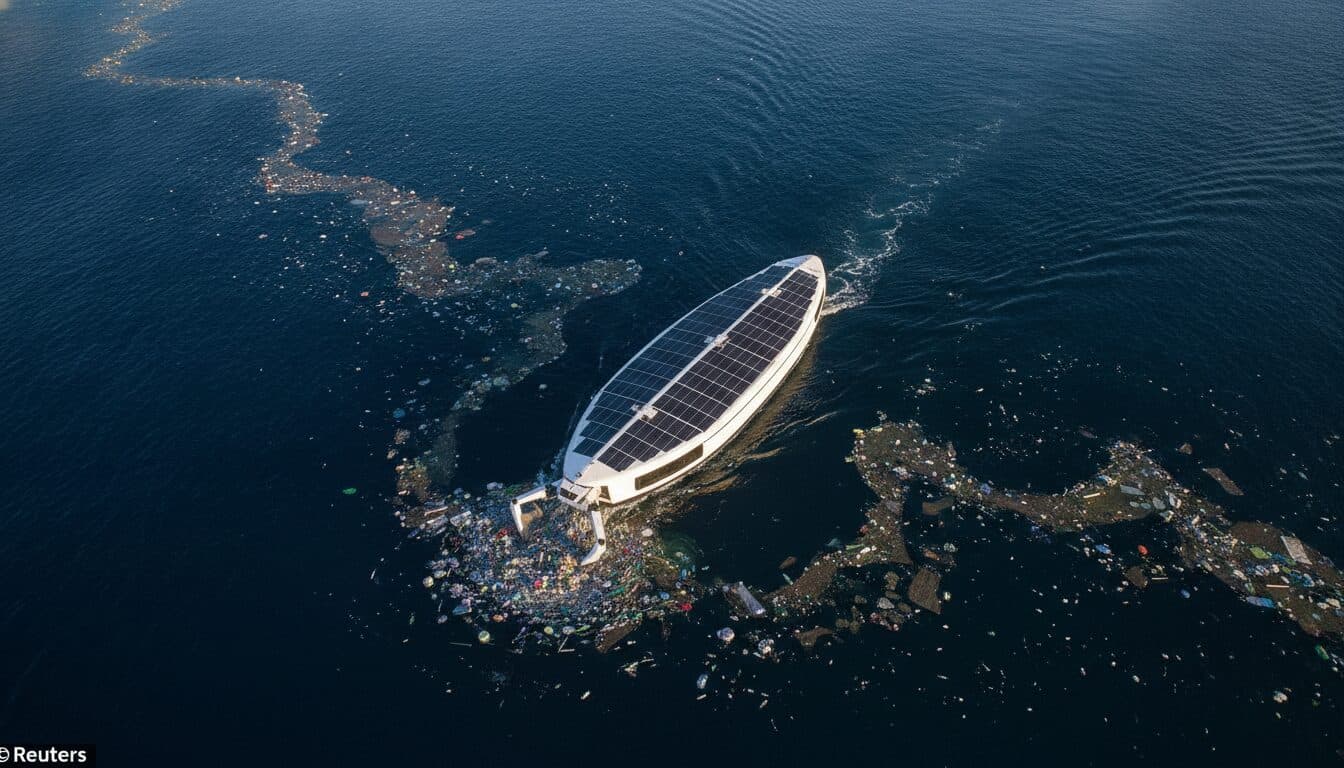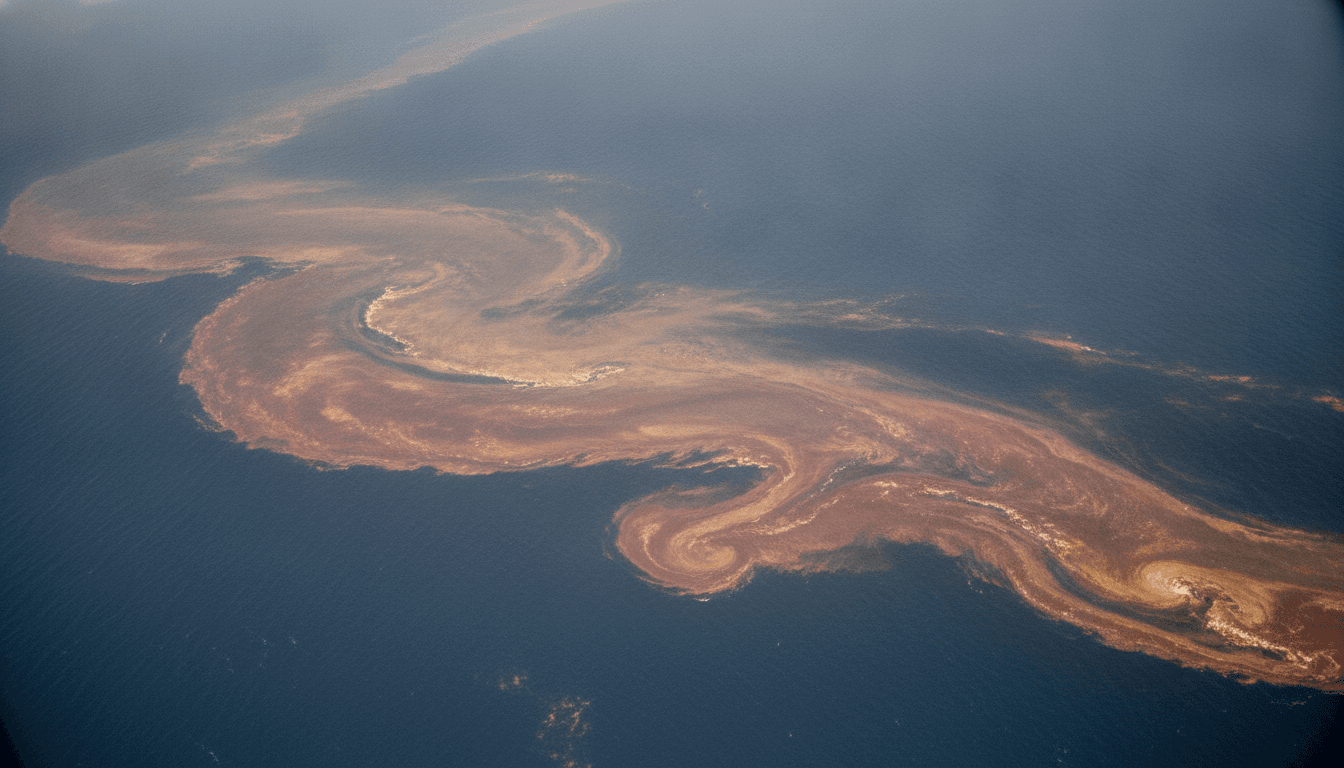
A new ecosystem thrives in the Great Pacific Garbage Patch (GPGP), a development that underscores the profound and evolving impact of plastic pollution on marine environments. This vast accumulation of ocean plastic, now twice the size of Texas and estimated to contain over 1.8 trillion pieces, is not merely a passive collection of debris but an active, if artificial, habitat where coastal species are living and reproducing, according to a recent AccuWeather report dated May 27, 2026.
Located between California and Hawaii, the GPGP represents the largest of five offshore plastic accumulation zones globally. Its estimated mass of 100,000 tons, significantly higher than previous calculations, highlights the sheer scale of the challenge. Dr. Britta Baechler, Ocean Conservancy’s Director of Plastics Research, emphasizes that while the GPGP is a striking symptom, the broader crisis sees a ‘garbage truck’s worth of plastics enter the ocean every minute,’ with pollution pervasive across all marine environments.
The Great Pacific Garbage Patch: A New Frontier for Life
The formation of these garbage patches is a consequence of approximately 8 million tons of plastic entering the ocean annually from beaches and rivers. Broken down by waves and sunlight into microplastics, these fragments converge in the calm centers of oceanic gyres. Satellite data from University of Michigan researchers indicates that microplastic concentrations within the GPGP, and other gyres, exhibit seasonal variations, peaking in summer and decreasing in winter due to increased vertical mixing in cooler temperatures. This constant motion, particularly of microplastics, makes complete eradication exceptionally difficult, if not impossible.
A 2023 Nature Ecology & Evolution study revealed a startling new dimension to the GPGP: it has become an artificial shoreline supporting a diverse array of marine life, primarily invertebrates. The study found that 80% of the observed diversity comprised coastal organisms, with evidence of reproduction. This suggests these species are not merely transient visitors but are establishing more permanent communities, potentially reshaping marine ecosystems in unforeseen ways. However, this emergent ecosystem does not diminish the overall threat. The National Oceanic and Atmospheric Administration (NOAA) warns that marine species frequently mistake ocean debris for food, leading to choking and starvation. Furthermore, abandoned fishing gear, known as ‘ghost nets,’ constitutes a significant 46% of the GPGP’s mass, posing severe entanglement risks to marine life.
“The Great Pacific Garbage Patch is one symptom of a much larger crisis. More than a garbage truck’s worth of plastics enters the ocean every minute, and while a relatively small percentage of it is concentrated in the garbage patch, the reality is that this pollution is everywhere.”
The GPGP’s growth trajectory remains a significant concern. In 2018, it spanned over 600,000 square miles, equivalent to three times the size of France. NOAA notes that the diffuse nature of microplastics and the dynamic forces of winds and currents make precise size determination challenging. The Ocean Cleanup projects that without intervention, microplastic concentration will only intensify, further compromising the ocean’s crucial role in climate regulation.
Cleanup Efforts and Future Outlook
Despite the complexities, cleanup efforts are gaining momentum. A collaborative study by The Ocean Cleanup and independent scientists concluded that the environmental benefits of addressing the GPGP outweigh the ecological costs and greenhouse gas emissions associated with cleanup operations. This suggests that the harm from inaction far surpasses the disruption of intervention. Organizations like The Ocean Conservancy are actively engaged, spearheading initiatives such as the International Coastal Cleanup, the world’s largest volunteer cleanup effort, to remove trash from beaches and waterways. Addressing the root causes of plastic pollution remains paramount.
Dr. Baechler underscores the multi-faceted approach required: “The science is clear. To address the plastic pollution crisis, like what is found in the Great Pacific Garbage Patch, we need to reduce plastic production, manage plastic waste better and clean up plastic already in the environment.” The emergence of a novel ecosystem within the GPGP serves as a stark reminder of humanity’s indelible mark on the planet, necessitating urgent and comprehensive strategies to mitigate plastic pollution and safeguard marine biodiversity.