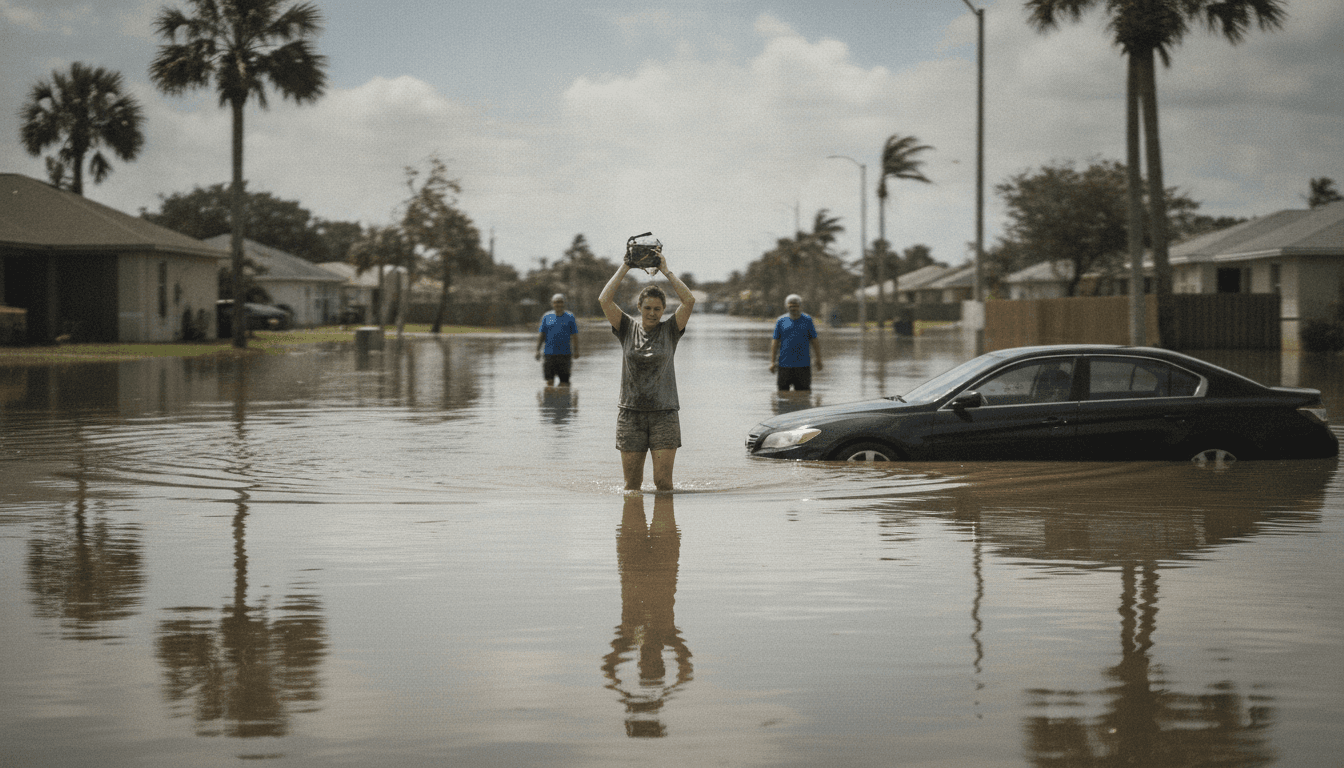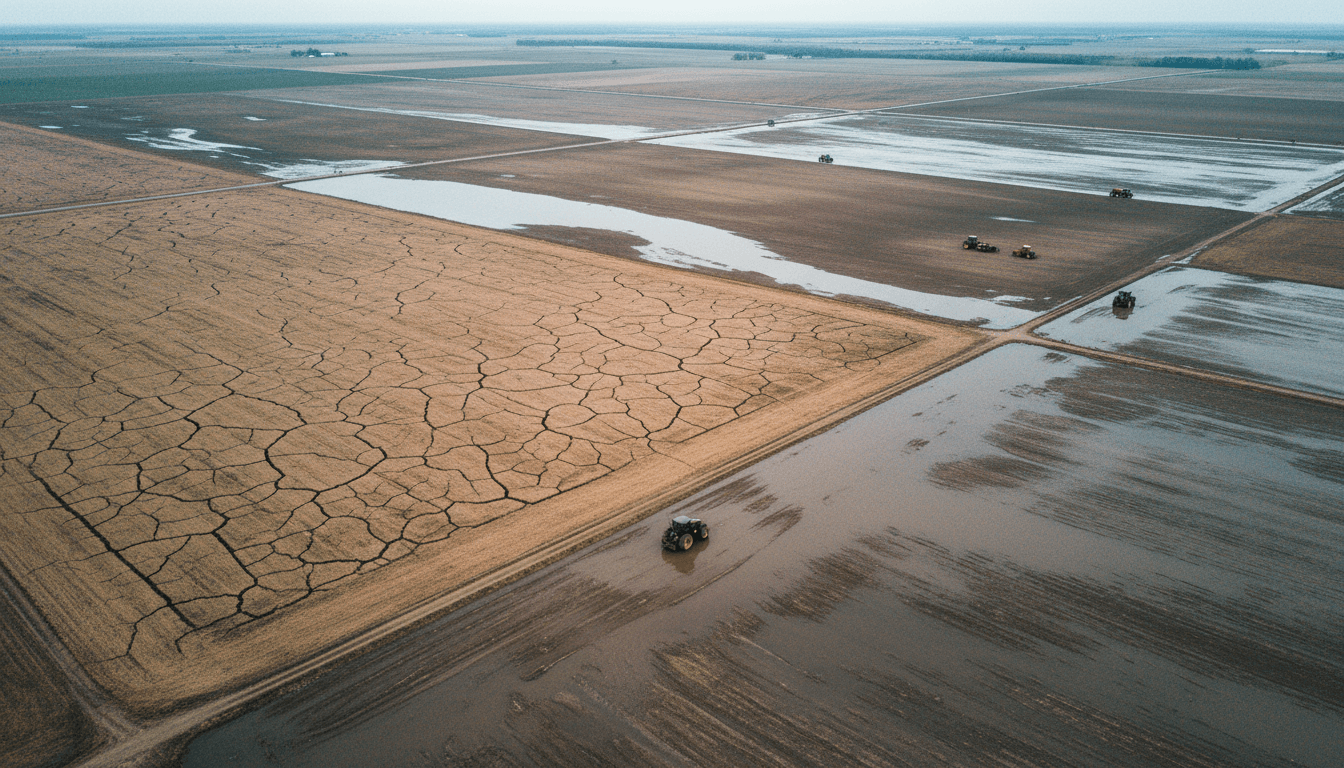
Nearly $15 billion in crops lost to extreme weather in these states represents a stark financial and agricultural blow, according to a recent Yahoo report published on Wednesday, April 22, 2026. This staggering figure underscores the escalating vulnerability of the American agricultural sector to increasingly volatile climatic conditions, posing significant questions about food security, economic stability, and the long-term sustainability of farming practices across the nation.
The Unfolding Crisis in Agriculture
The report, disseminated by Yahoo, details how specific states have borne the brunt of these agricultural losses, though the precise states were not enumerated in the available information. What is clear is the magnitude of the financial impact: nearly $15 billion in crops lost to extreme weather. This figure is not merely an abstract number; it translates into profound hardship for farmers, disruptions in supply chains, and potential increases in consumer prices. The types of extreme weather events contributing to these losses are diverse, ranging from prolonged droughts and severe floods to unseasonal freezes and devastating heatwaves, each capable of wiping out entire harvests within a single season.
The implications extend beyond the immediate financial hit. Crop losses of this scale can lead to widespread farm bankruptcies, rural economic decline, and a significant reduction in the availability of domestically grown produce. For an industry already grappling with thin margins and increasing operational costs, the additional burden of climate-induced crop failures is becoming unsustainable. Related environment & climate articles frequently highlight the growing pressure on agricultural insurance mechanisms, which are struggling to keep pace with the frequency and severity of these events.
Nearly $15 Billion In Crops Lost: Broader Environmental & Climate Impact
The loss of nearly $15 billion in crops to extreme weather serves as a potent indicator of the accelerating impacts of climate change on critical economic sectors. Agriculture, being inherently dependent on stable climatic patterns, is often the first to feel the effects. This situation highlights a feedback loop: extreme weather events, exacerbated by climate change, lead to crop failures, which in turn can intensify environmental degradation through altered land use, increased water consumption for irrigation in drought-stricken areas, or soil erosion in flood-prone regions. The long-term environmental consequences include reduced biodiversity, altered hydrological cycles, and increased greenhouse gas emissions from agricultural shifts.
“The consistent and escalating financial toll on agriculture from extreme weather is a clear signal that climate adaptation and resilience strategies must move from theoretical discussions to immediate, large-scale implementation.”
Furthermore, the reliance on certain agricultural practices, such as monoculture, can exacerbate these vulnerabilities. When a single crop type dominates vast areas, it becomes highly susceptible to specific weather events or pests, making the overall food system less resilient. The push towards sustainable agriculture, diversified farming, and climate-smart practices is gaining urgency as these losses mount.
Context and Historical Precedent
While the nearly $15 billion in crops lost is a significant contemporary figure, it is not an isolated incident. The past decade has seen a consistent pattern of agricultural setbacks due to climate variability. From the widespread droughts in the Midwest to the devastating hurricanes affecting coastal farming regions, extreme weather has become a recurring theme in agricultural news. Industry reports and government assessments have repeatedly warned about the increasing frequency and intensity of these events. For example, the U.S. Department of Agriculture (USDA) has regularly documented billions of dollars in disaster assistance paid out to farmers in response to weather-related losses. This recent report from Yahoo fits into a broader trend of escalating climate impacts, demonstrating that previous warnings are now translating into tangible, severe financial consequences.
The agricultural sector has always contended with weather risks, but the scale and predictability of these risks are shifting dramatically. Historical data shows that while localized weather events have always been a challenge, the current era is characterized by more widespread, longer-duration, and more intense extreme weather phenomena, making planning and mitigation increasingly difficult for farmers.
What’s Next for U.S. Agriculture?
Looking ahead, the nearly $15 billion in crops lost will likely spur increased calls for robust climate adaptation measures within the agricultural sector. This could include greater investment in drought-resistant crops, improved water management infrastructure, advanced weather forecasting and early warning systems, and diversification of farming portfolios. Policy decisions at both federal and state levels will be critical in shaping the response. There will likely be renewed debates on crop insurance subsidies, disaster relief funding, and incentives for adopting sustainable farming practices that build resilience against extreme weather.
Moreover, the incident highlights the urgent need for comprehensive climate policy that addresses the root causes of global warming, not just its symptoms. Without significant reductions in greenhouse gas emissions, the agricultural sector can expect to face even greater challenges in the coming decades, potentially jeopardizing national food security and increasing reliance on imports. Farmers, policymakers, and consumers alike will need to confront the reality that the cost of inaction on climate change is rapidly escalating.
Key Takeaway: The Mounting Cost of Climate Inaction
The loss of nearly $15 billion in crops to extreme weather in these states is more than just an economic statistic; it is a profound indicator of the accelerating and tangible costs of climate change. This event underscores the urgent need for a dual approach: robust adaptation strategies to help agriculture withstand current and future climate shocks, and aggressive mitigation efforts to curb the greenhouse gas emissions that are driving these extreme weather patterns. The stability of the agricultural sector, the livelihoods of millions, and the security of the food supply depend on immediate and decisive action. The financial standard of our environment and climate resilience is being tested, and the results are becoming increasingly expensive.