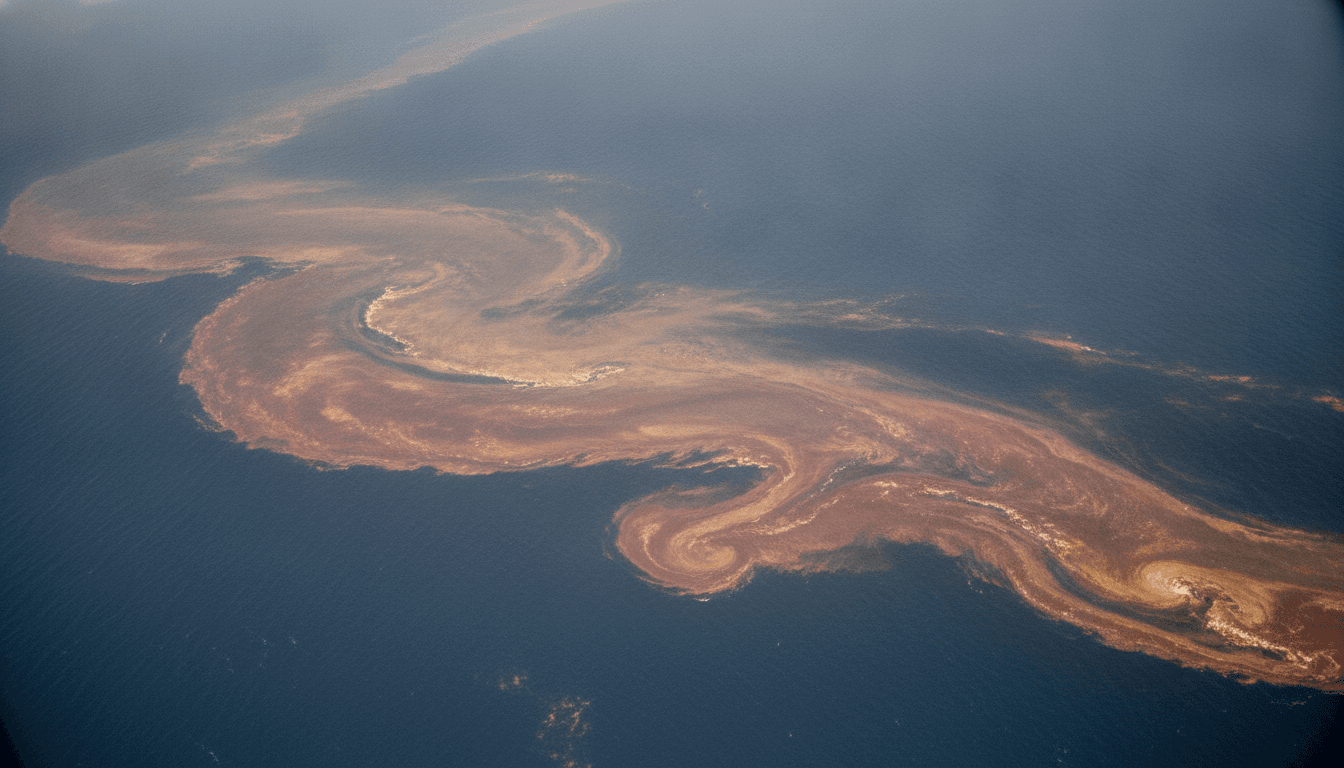
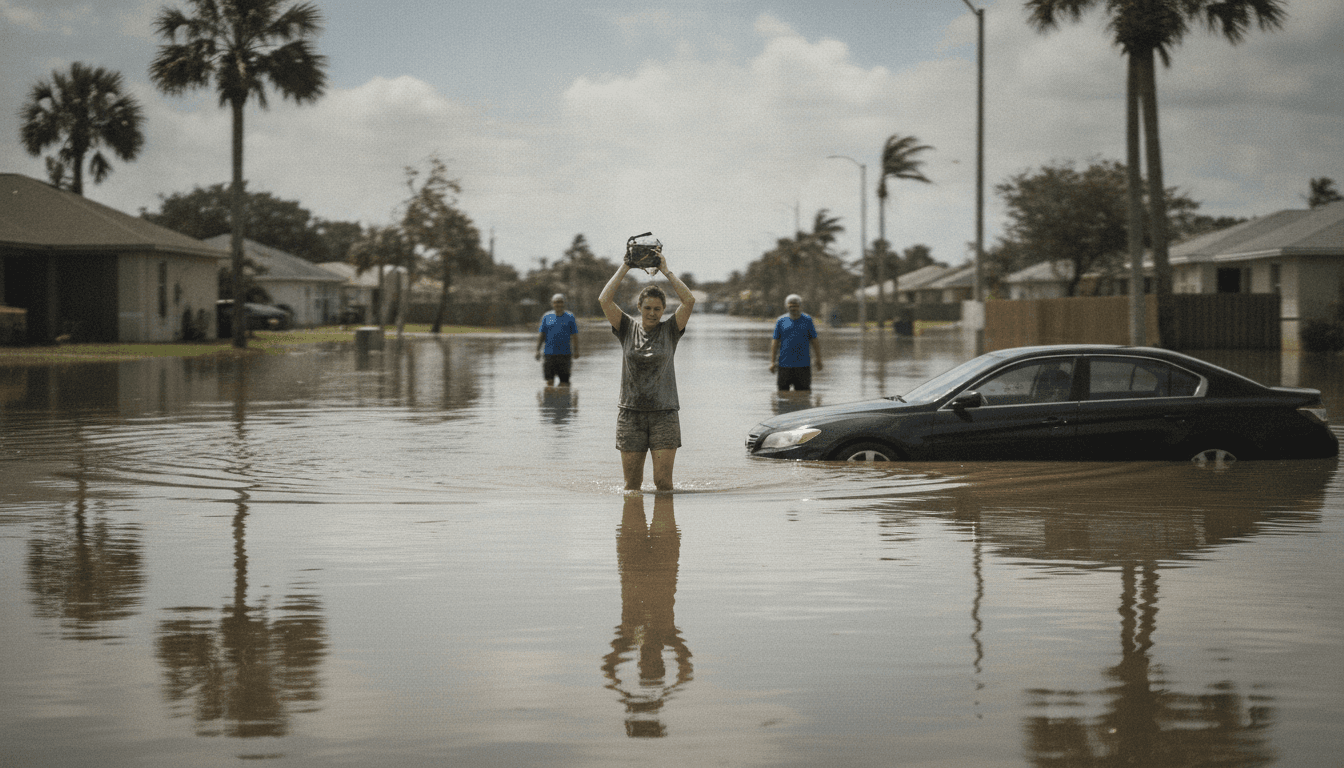
Mayon Volcano ashfall has blanketed roads, buildings, and exposed objects in Guinobatan, Albay, on Sunday, May 3, following a series of pyroclastic density currents (uson) and significant ash emissions the previous day. This recent activity from one of the Philippines’ most active volcanoes has forced thousands of residents to evacuate their homes, painting a stark picture of the immediate environmental and social costs associated with volcanic unrest.
The dramatic event unfolded on Saturday, May 2, when Mayon Volcano exhibited a heightened state of activity, culminating in multiple pyroclastic density currents – fast-moving currents of hot gas and volcanic debris – and substantial ashfall. The aftermath, as observed on Sunday, saw a thick layer of volcanic dust covering the landscape, turning the vibrant green surroundings of Guinobatan into a monochromatic scene of grey. This pervasive ashfall not only creates immediate health hazards due to airborne particulates but also severely disrupts daily life and infrastructure.
Impact Analysis
The immediate impact of the Mayon Volcano ashfall is acutely felt by the local population in Guinobatan, Albay. The forced displacement of thousands of residents underscores the direct threat posed by these natural phenomena. Beyond the immediate evacuation, the extensive ashfall poses significant long-term challenges. Agricultural lands, the backbone of many local economies, are likely to be rendered temporarily infertile, impacting food security and livelihoods. The fine particulate matter in the air can exacerbate respiratory illnesses, particularly among vulnerable populations, leading to increased public health burdens. Moreover, the ash accumulation on roads and infrastructure necessitates extensive clean-up operations, diverting resources and causing economic strain.
Environmentally, volcanic ash can have a complex impact. While initially destructive, in the long term, it can enrich soil fertility, but the immediate aftermath often involves widespread ecosystem disruption. Aquatic ecosystems can be choked by ash, and vegetation can be defoliated or buried. The atmospheric emissions, though localized in their most severe form, contribute to regional air quality concerns and can, in extreme cases, have minor effects on global atmospheric circulation patterns and temperatures, albeit on a much smaller scale than major caldera eruptions. The repeated cycles of eruption and recovery in areas like Albay highlight the constant interplay between natural geological forces and human resilience.
“The sheer volume of ash covering Guinobatan speaks to the powerful forces at play and the urgent need for robust disaster preparedness and climate adaptation strategies in volcanically active regions.”
Context & Background: Mayon Volcano Ashfall
Mayon Volcano, renowned for its almost perfect cone shape, is a stratovolcano located in the province of Albay, Philippines. It is considered one of the most active volcanoes in the country, with numerous eruptions recorded throughout history. Its activity is characterized by effusive and explosive eruptions, often accompanied by pyroclastic flows, lava flows, and ashfall. The Philippines sits on the Pacific Ring of Fire, a region prone to earthquakes and volcanic eruptions, making such events a recurring aspect of the nation’s environmental landscape.
Previous significant eruptions have led to similar widespread displacements and environmental challenges, forcing authorities to develop comprehensive disaster risk reduction plans. These plans typically include early warning systems, designated evacuation routes, and temporary shelters. The current event on May 3, 2026, serves as a potent reminder of the inherent risks associated with living in close proximity to active volcanoes and the continuous need for vigilance and preparedness. The term ‘uson’ locally refers to the pyroclastic density currents, highlighting the deeply ingrained local knowledge and terminology surrounding these natural hazards.
What’s Next
In the immediate aftermath, the focus will remain on humanitarian aid for the thousands displaced from their homes. Monitoring of Mayon Volcano’s activity by the Philippine Institute of Volcanology and Seismology (PHIVOLCS) will intensify to assess the likelihood of further eruptions or changes in its alert level. Clean-up operations for the pervasive ashfall will be a monumental task, requiring coordinated efforts from local and national government agencies. Long-term recovery will involve assessing the damage to agriculture, infrastructure, and public health systems, followed by rehabilitation efforts aimed at restoring livelihoods and ensuring community resilience.
Future implications extend to refining existing disaster preparedness protocols and exploring more sustainable housing solutions for communities living within Mayon’s danger zones. The economic impact on Albay province, particularly its tourism and agricultural sectors, will be closely watched. This event also reinforces the broader global conversation around natural disaster resilience in the face of escalating climate-related risks, where multi-hazard environments demand integrated and adaptive strategies.
Key Takeaway
The recent Mayon Volcano ashfall in Guinobatan, Albay, underscores the persistent environmental and humanitarian challenges posed by active geological processes. It serves as a critical case study in disaster preparedness, community resilience, and the intricate relationship between human settlements and dynamic natural landscapes. As climate change continues to amplify certain natural hazards, understanding and mitigating the impacts of events like volcanic eruptions becomes increasingly vital for global stability and sustainable development. The ongoing displacement and the extensive clean-up required highlight the profound and multifaceted consequences that such events can have on both the environment and human society, demanding continued investment in scientific monitoring, early warning systems, and robust community-level adaptation strategies.