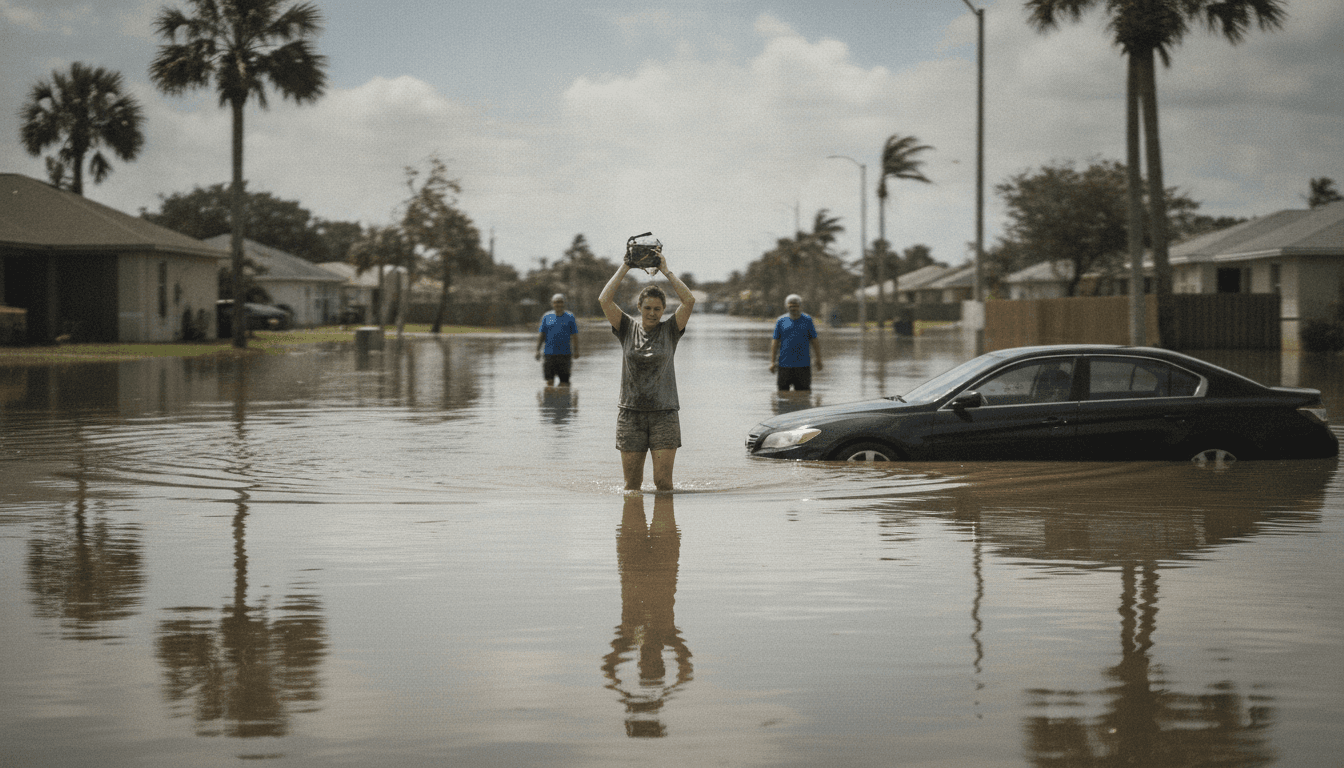
A massive severe storms threat is expected to intensify across the United States late this week, following a period of ongoing severe weather and widespread flooding. AccuWeather, on Thursday, April 16, 2026, issued warnings detailing the continuation of these challenging conditions, with particular emphasis on the escalating risk in the coming days. This latest forecast underscores a growing pattern of extreme weather events that are increasingly impacting infrastructure, agriculture, and local economies.
The current atmospheric conditions suggest a broad geographical reach for the impending severe storms threat. While specific regions were not detailed in the AccuWeather alert, the term “widespread severe threat” indicates a significant portion of the country will be on high alert. This follows a period where communities have already been grappling with the aftermath of severe weather, including significant flooding. The compounding nature of these events presents a formidable challenge for emergency services, local governments, and residents attempting to recover and prepare simultaneously.
Impact Analysis
The persistent and escalating severe storms threat carries significant implications for various sectors. For agriculture, prolonged periods of heavy rain and intense storms can lead to crop damage, soil erosion, and delayed planting or harvesting schedules, directly impacting commodity prices and food supply chains. Infrastructure, particularly roads, bridges, and power grids, is vulnerable to both flooding and high winds, leading to costly repairs and disruptions to commerce and daily life. The financial services sector also faces heightened risks, from increased insurance claims for property damage to potential disruptions in business operations and supply chain integrity.
From an environmental perspective, the intensity and frequency of these severe weather events are consistent with projections related to a changing climate. Warmer atmospheric temperatures can hold more moisture, leading to heavier rainfall during storms, while shifts in jet stream patterns can contribute to more persistent and potent storm systems. This feedback loop creates a cycle where existing vulnerabilities are exacerbated, posing long-term challenges for ecological systems and human settlements alike.
“The compounding effect of ongoing severe weather and the looming widespread threat highlights the urgent need for enhanced resilience strategies across all levels of government and industry.”
Context and Background
The current severe storms threat is not an isolated incident but rather fits within a broader trend of increasing extreme weather events observed over recent decades. Scientific consensus points to climate change as a significant driver behind the observed shifts in weather patterns, including more intense rainfall, stronger hurricanes, and prolonged heatwaves. Previous years have seen record-breaking flood events in various parts of the U.S., alongside devastating tornado outbreaks and derecho events. These events have often led to billions of dollars in damages, underscoring the economic vulnerability to a less stable climate. Policy discussions around infrastructure investment, sustainable land use, and early warning systems have gained traction, though implementation often lags behind the accelerating pace of climate impacts. The focus on climate resilience has never been more critical.
What’s Next for the Severe Storms Threat
Looking ahead, communities in the path of this widespread severe storms threat will be bracing for impact. Emergency management agencies will be coordinating response efforts, issuing warnings, and preparing resources for potential disruptions. Businesses will be reviewing their continuity plans, and individuals will be advised to take necessary precautions to ensure their safety and protect their property. The coming days will be crucial in determining the full scope and severity of this weather system. Beyond the immediate impact, this event will likely reignite discussions around climate adaptation and mitigation strategies, emphasizing the need for robust infrastructure, advanced forecasting capabilities, and community preparedness programs designed to withstand a future with more frequent and intense severe weather.
Key Takeaway
This escalating severe storms threat serves as a stark reminder of the financial and societal costs of a changing climate. The confluence of ongoing flooding and a widespread severe weather outlook demands immediate attention and long-term strategic planning. As these events become more common, the imperative for proactive investment in resilience, sustainable development, and comprehensive climate policies will only grow.