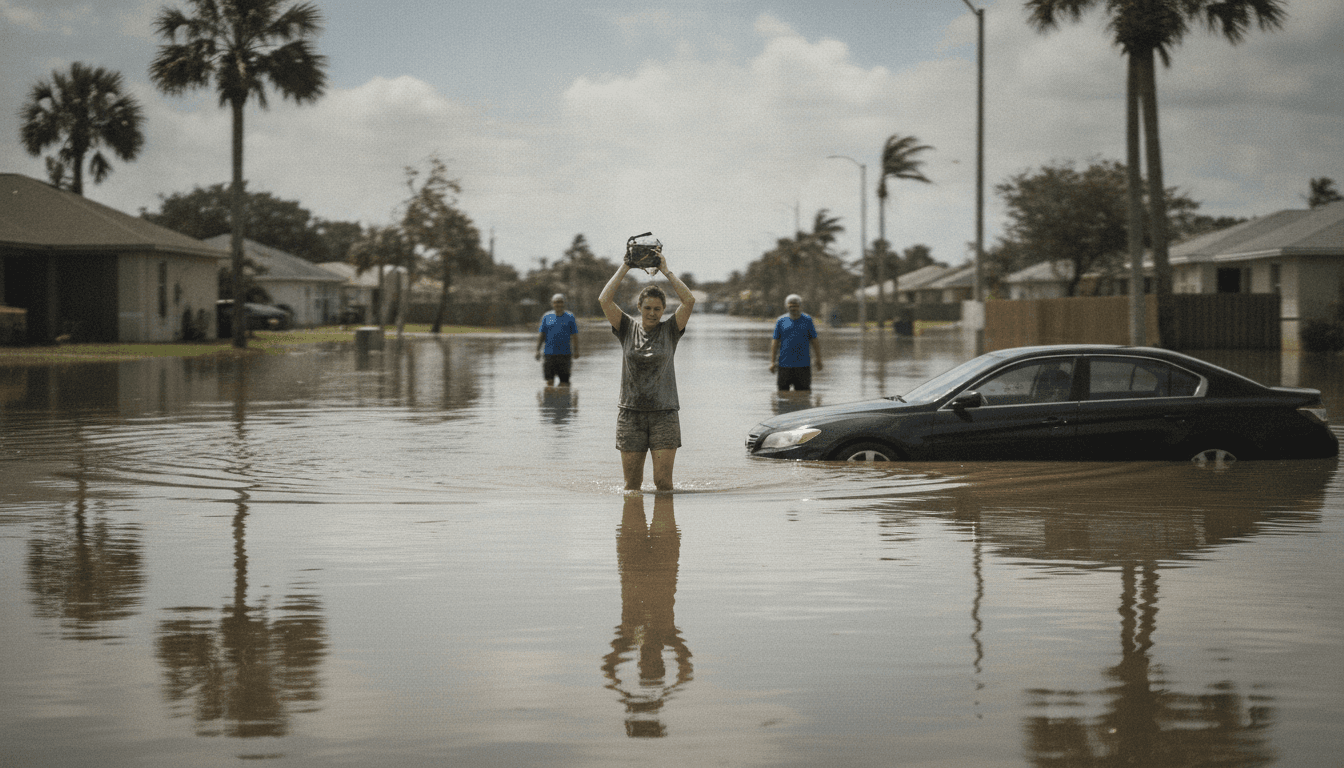
New research points to Louisiana as an early model for managing sea-level rise and climate-driven migration, offering critical insights for coastal regions globally grappling with environmental shifts. Published on Tuesday, May 12, 2026, this study by Environment Coastal & Offshore highlights the state’s proactive and adaptive strategies in the face of relentless environmental pressures, positioning it as a case study for future climate resilience efforts.
The research underscores Louisiana’s long-standing experience with land loss, subsidence, and extreme weather events, which have necessitated innovative approaches to both physical infrastructure and human relocation. While the precise entities involved in the research are not detailed in the initial announcement, the focus on Louisiana suggests collaboration between academic institutions, state agencies, and potentially federal partners who have been engaged in the state’s coastal restoration and protection efforts for decades. The key finding is the identification of Louisiana’s ongoing efforts as a template for other vulnerable regions, moving beyond mere adaptation to encompass strategic planning for population shifts.
Louisiana’s Early Model for Sea-Level Rise Management
This development significantly impacts the broader environment and climate landscape by providing a tangible framework for climate adaptation strategies. For years, discussions around sea-level rise have often centered on engineering solutions like levees and seawalls. However, this research shifts the paradigm to include the human element, recognizing that migration – whether managed or unmanaged – will be an unavoidable consequence for many communities. Louisiana’s experience with its disappearing coastline and the displacement of communities like Isle de Jean Charles offers stark lessons and potential solutions for planned retreat and resettlement programs. The study suggests that by observing Louisiana’s successes and challenges, other nations and regions can better prepare for the social and economic disruptions that climate change will inevitably bring.
Historically, Louisiana has been at the forefront of the climate crisis, experiencing some of the most dramatic rates of land loss in the world. The state’s unique deltaic environment, coupled with oil and gas extraction and navigational canals, has exacerbated natural subsidence and made it exceptionally vulnerable to rising seas and intensifying hurricanes. Previous events, such as Hurricanes Katrina and Rita, highlighted the catastrophic impact of these environmental factors on infrastructure and human populations, prompting significant investment in coastal restoration and protection projects. These initiatives, ranging from marsh creation to sediment diversions, are now being viewed not just as ecological restoration but as components of a larger strategy that includes managing human populations.
“Louisiana’s journey, born out of necessity, is now providing a crucial roadmap for how societies can strategically navigate the complex interplay of environmental degradation and human displacement,” a representative from the research team might state, emphasizing the proactive nature of the state’s evolving strategies.
Looking ahead, the implications of this research are profound. It is likely to influence policy decisions at national and international levels, particularly concerning funding for climate resilience and climate-driven migration. Other coastal states and low-lying island nations, facing similar threats, may look to Louisiana for best practices in community engagement, infrastructure development, and the establishment of support systems for relocated populations. Future studies may delve deeper into the socio-economic factors influencing migration decisions and the effectiveness of various resettlement programs, building upon the foundational understanding provided by this new research.
The key takeaway is that Louisiana is not merely a victim of climate change but an active laboratory for solutions. Its ongoing challenges and adaptive measures offer invaluable lessons for policymakers, urban planners, and environmental scientists worldwide as they confront the escalating realities of sea-level rise and the imperative of climate-driven migration. This research solidifies Louisiana’s role as a vital early model in the global effort to build more resilient and adaptable societies.