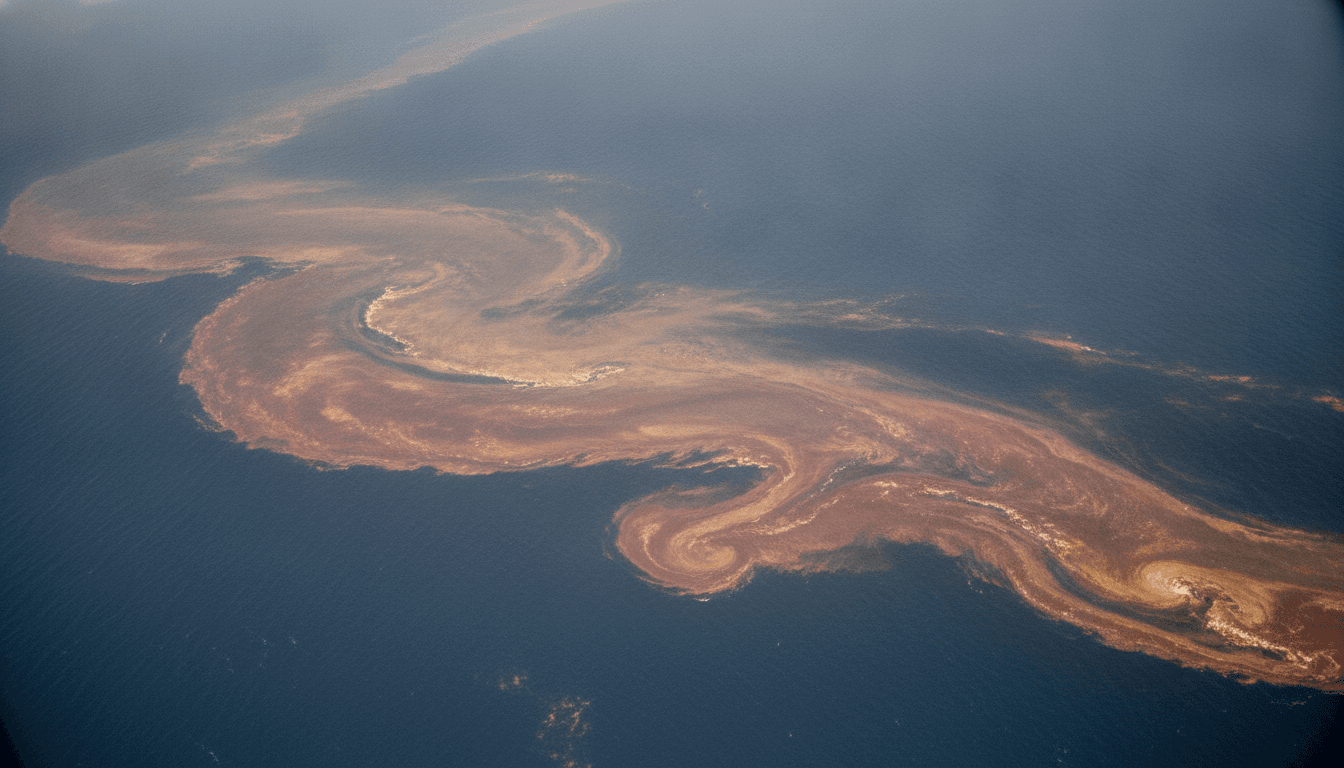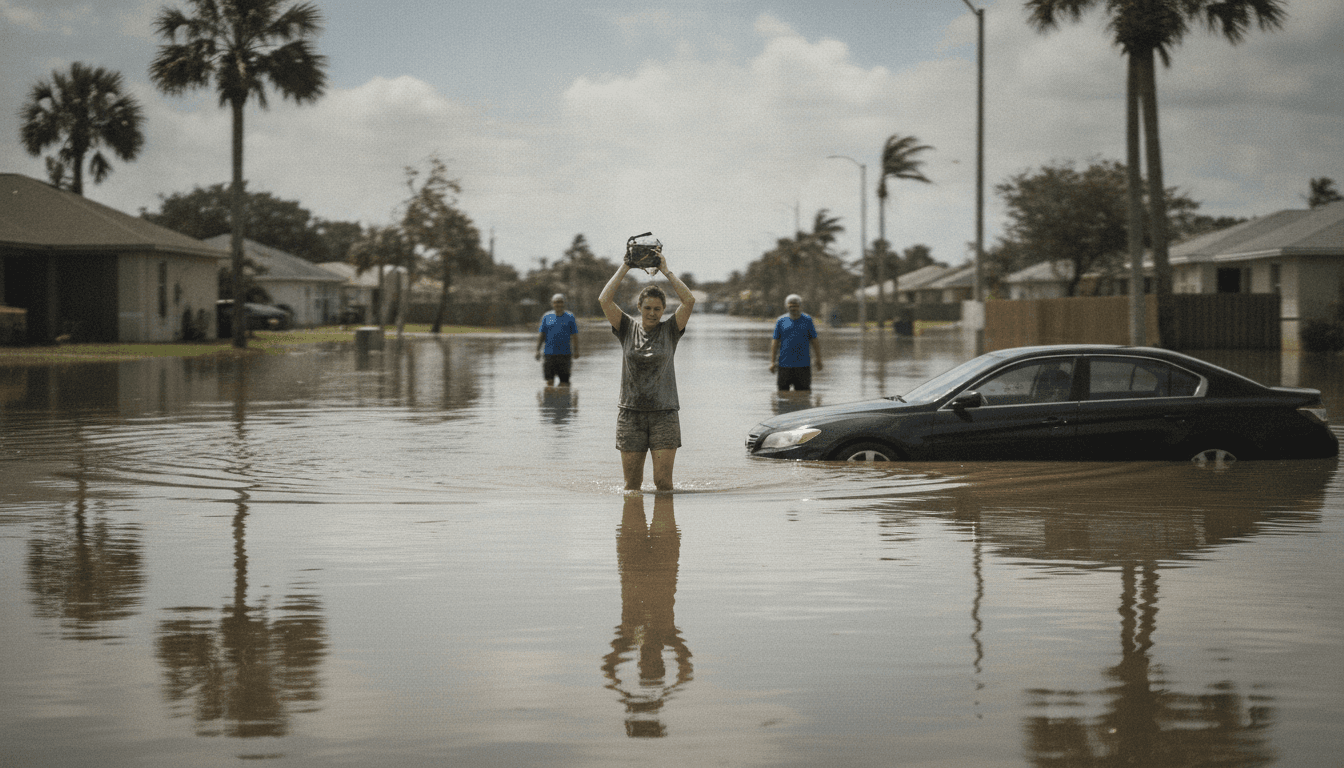
Latin America climate extremes reached unprecedented levels in 2025, with the World Meteorological Organization (WMO) issuing a stark warning about record heat and devastating floods across the region. The WMO’s report, released on Tuesday, May 19, 2026, details a year marked by a relentless barrage of climate-related disasters that have profoundly impacted communities and ecosystems from the Amazon to the Andes.
The WMO’s assessment underscores a critical period where the frequency and intensity of extreme weather events in Latin America and the Caribbean have escalated beyond historical norms. The report highlights widespread record heatwaves that gripped large swathes of the continent, contributing to increased drought conditions in some areas and exacerbating the risk of wildfires. Simultaneously, other regions were deluged by catastrophic floods, leading to displacement, infrastructure damage, and significant economic losses. These events collectively paint a grim picture of a region on the front lines of global climate change.
Understanding Latin America Climate Extremes
The severity of the 2025 events in Latin America and the Caribbean reflects a concerning acceleration of climate change impacts. The WMO’s findings indicate that the region is experiencing a compounding effect of multiple hazards, making it particularly vulnerable. Record temperatures contributed to agricultural failures in several countries, impacting food security and local economies reliant on farming. The increased thermal stress also posed significant public health challenges, particularly for vulnerable populations.
Alongside the heat, the report details numerous instances of extreme precipitation. Rivers burst their banks, inundating urban centers and rural communities. Landslides, often triggered by prolonged heavy rainfall, added another layer of devastation, particularly in mountainous areas. The interplay of these extremes—from intense droughts to torrential downpours—demonstrates the erratic and often contradictory nature of climate change manifestations. Such volatility strains emergency services, disaster preparedness, and long-term recovery efforts across the diverse geographical landscape of the region.
“The 2025 climate extremes in Latin America and the Caribbean serve as a powerful testament to the urgent need for enhanced climate adaptation and mitigation strategies,” a WMO spokesperson noted, emphasizing the systemic nature of the challenges.
The economic toll of these disasters is substantial, affecting national budgets and diverting resources from development initiatives. Infrastructure damage, agricultural losses, and the costs associated with humanitarian aid and reconstruction efforts place immense pressure on governments already grappling with other socio-economic challenges. The human cost, measured in lives lost, communities displaced, and livelihoods destroyed, is immeasurable.
Context and Broader Implications
The WMO’s 2025 report on Latin America climate extremes is not an isolated warning but rather a continuation of a worrying trend observed over the past decade. Scientists have long predicted that regions like Latin America, with its diverse climates and high biodiversity, would be particularly susceptible to the effects of a warming planet. Previous years have seen increasing instances of glacial melt in the Andes, coral bleaching in the Caribbean, and altered rainfall patterns in the Amazon basin, all pointing to a deepening crisis.
This latest report aligns with broader global climate assessments, which consistently highlight the disproportionate impact of climate change on developing nations, despite their lower historical contributions to greenhouse gas emissions. The vulnerability of the region is compounded by factors such as high population density in low-lying coastal areas, reliance on rain-fed agriculture, and limited resources for comprehensive disaster risk reduction. The events of 2025 underscore the urgent need for international cooperation and financial support to bolster resilience in these frontline regions. Related environment & climate articles frequently discuss the equity aspects of climate financing.
What’s Next for Latin America Climate Extremes
Looking ahead, the WMO’s warning implies a critical need for intensified action and policy shifts across Latin America and the Caribbean. Governments in the region face the dual challenge of reducing emissions where possible and, more immediately, developing robust adaptation strategies to cope with the escalating impacts. This includes investing in early warning systems, climate-resilient infrastructure, and sustainable agricultural practices that can withstand both droughts and floods. International climate negotiations and funding mechanisms will play a crucial role in supporting these efforts.
The scientific community will continue to monitor the region closely, refining climate models and providing more granular forecasts to aid local decision-making. There is an increased focus on nature-based solutions, such as restoring mangroves to protect coastlines and reforesting degraded lands to mitigate flood risks and enhance carbon sequestration. The decisions made in the coming years regarding infrastructure development, land use planning, and resource management will be pivotal in determining the future resilience of the region against ongoing Latin America climate extremes.
The WMO’s stark report on Latin America’s 2025 climate extremes serves as a powerful call to action, emphasizing that the financial and human costs of inaction far outweigh the investments required for effective climate adaptation and mitigation. The region’s experience underscores the global imperative to accelerate decarbonization efforts and build a more resilient world in the face of an increasingly volatile climate.