Iran’s renewable energy capacity increased significantly with the commissioning of a new solar plant, a development reported on Monday, May 4, 2026, by Caspian News. This strategic expansion marks a notable step in the nation’s efforts to diversify its energy mix and reduce reliance on traditional fossil fuels, contributing to broader climate goals while addressing domestic energy demands.
The New Solar Plant
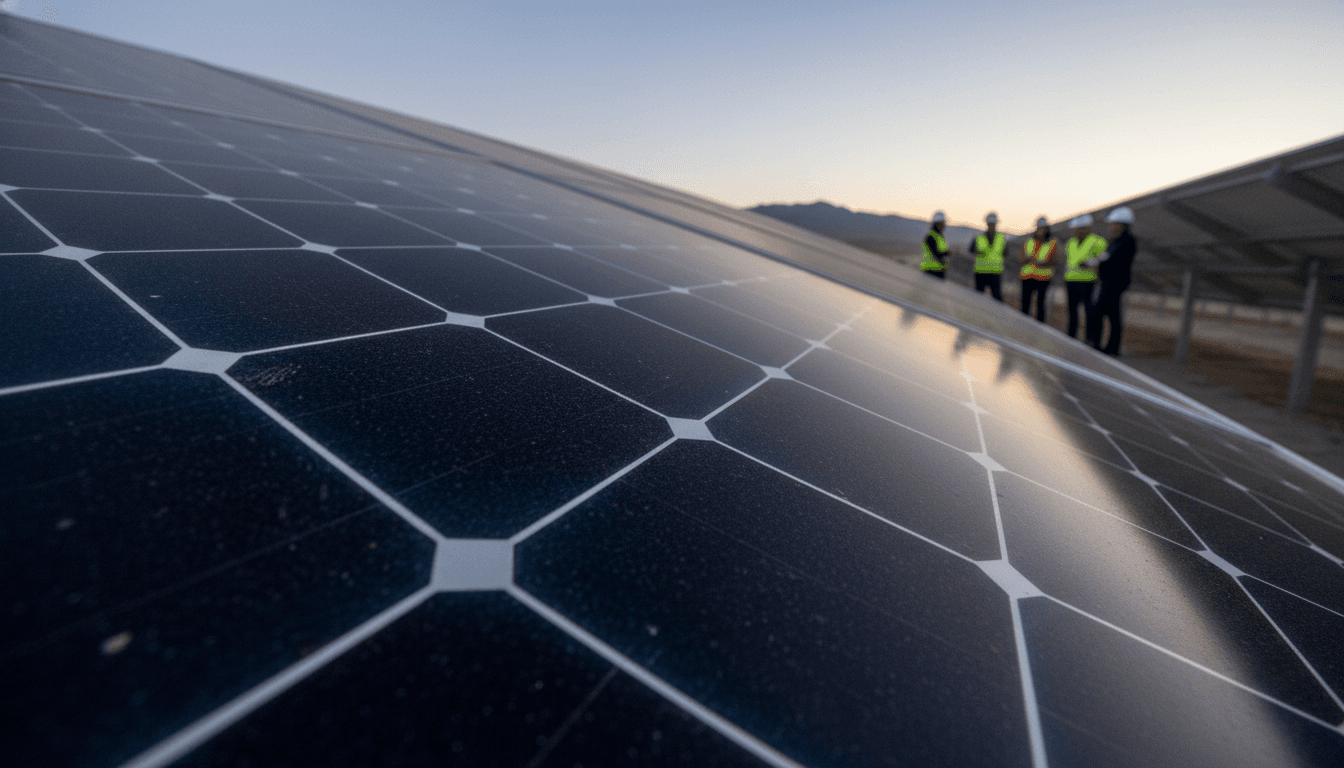
The recent announcement details the successful integration of a new solar plant into Iran’s national grid, a move that directly bolsters the country’s renewable energy infrastructure. While specific details regarding the plant’s exact location, capacity in megawatts, or the entities responsible for its development and operation were not provided in the initial report, its operational status signifies a tangible increase in Iran’s ability to generate clean electricity. This development underscores a continued governmental push towards sustainable energy solutions, aligning with global trends in energy transition.
“The addition of new solar capacity is a critical indicator of Iran’s commitment to energy diversification and a proactive stance on climate change mitigation within its national energy strategy.”
The commissioning of this plant is not an isolated event but rather part of a broader trajectory. For years, nations across the globe, including those in the Middle East, have been exploring and investing in renewable energy sources to meet growing energy needs and reduce carbon footprints. This new facility contributes to Iran’s overall renewable energy capacity, paving the way for further advancements in the sector.
Impact on Environment & Climate Landscape
The increase in Iran’s renewable energy capacity, particularly through solar power, carries significant environmental and climate implications. Solar energy generation produces no greenhouse gas emissions during operation, directly contributing to the reduction of carbon dioxide and other pollutants that drive climate change. This shift away from fossil fuel-dependent power generation helps improve local air quality and mitigate regional environmental degradation. For a country with substantial fossil fuel reserves, such investments signal a strategic pivot towards a more sustainable energy future, potentially influencing regional energy policies and investment trends.
Furthermore, the development of renewable energy infrastructure can foster green job creation and technological innovation within the country. As Iran increases renewable energy capacity, it can enhance energy independence, reducing vulnerability to global fossil fuel price fluctuations and geopolitical pressures. This move aligns with international climate objectives, even as geopolitical complexities often overshadow such domestic environmental efforts.
Context and Background
Iran has historically been a major oil and gas producer, with its energy sector largely dominated by hydrocarbons. However, recognizing the global imperative for energy transition and the domestic benefits of diversified energy sources, the country has been gradually exploring and investing in renewables. Previous initiatives have seen varying degrees of success, often hampered by economic sanctions, technological limitations, and investment challenges. Despite these hurdles, the commitment to expand clean energy sources, including solar and wind, has remained a stated objective of the Iranian government.
This latest solar plant represents a tangible step in that long-term strategy, building upon earlier pilot projects and smaller-scale installations. The global push for decarbonization and the increasing affordability of solar technology have likely played a role in accelerating such projects. Iran’s efforts to increase renewable energy capacity are part of a wider regional trend, with many Middle Eastern nations investing heavily in solar and wind power to secure future energy supplies and meet climate targets.
What’s Next for Iran’s Renewable Energy Capacity?
The commissioning of this new solar plant sets a precedent for future developments in Iran’s renewable energy sector. The immediate implications suggest a continued focus on expanding solar and potentially other renewable technologies. Future decisions will likely involve further policy support, investment incentives, and international collaborations to scale up projects. The success of this new plant could serve as a blueprint for similar installations across the country, particularly in regions with high solar irradiance. Analysts will be watching for details on subsequent projects, financing models, and the overall trajectory of Iran’s energy transition strategy.
Upcoming government plans or private sector announcements detailing further investments in wind, geothermal, or hydropower would indicate a more comprehensive approach to diversifying the energy mix. The pace at which Iran can integrate more renewables will also depend on grid modernization efforts and the development of energy storage solutions to ensure grid stability. Sustainable energy investments are becoming increasingly critical for national development.
Why This Matters
The increase in Iran’s renewable energy capacity through its new solar plant is a significant development, underscoring a strategic shift in the nation’s energy landscape. It demonstrates a practical commitment to diversifying energy sources, mitigating climate change, and enhancing energy security. For a country often viewed through the lens of its fossil fuel reserves, this move signals a crucial pivot towards sustainable development. This shift not only contributes to global efforts to combat climate change but also positions Iran to potentially benefit from the economic and technological advantages of the burgeoning green energy sector, offering a pathway to resilience and innovation in a rapidly changing global energy market.