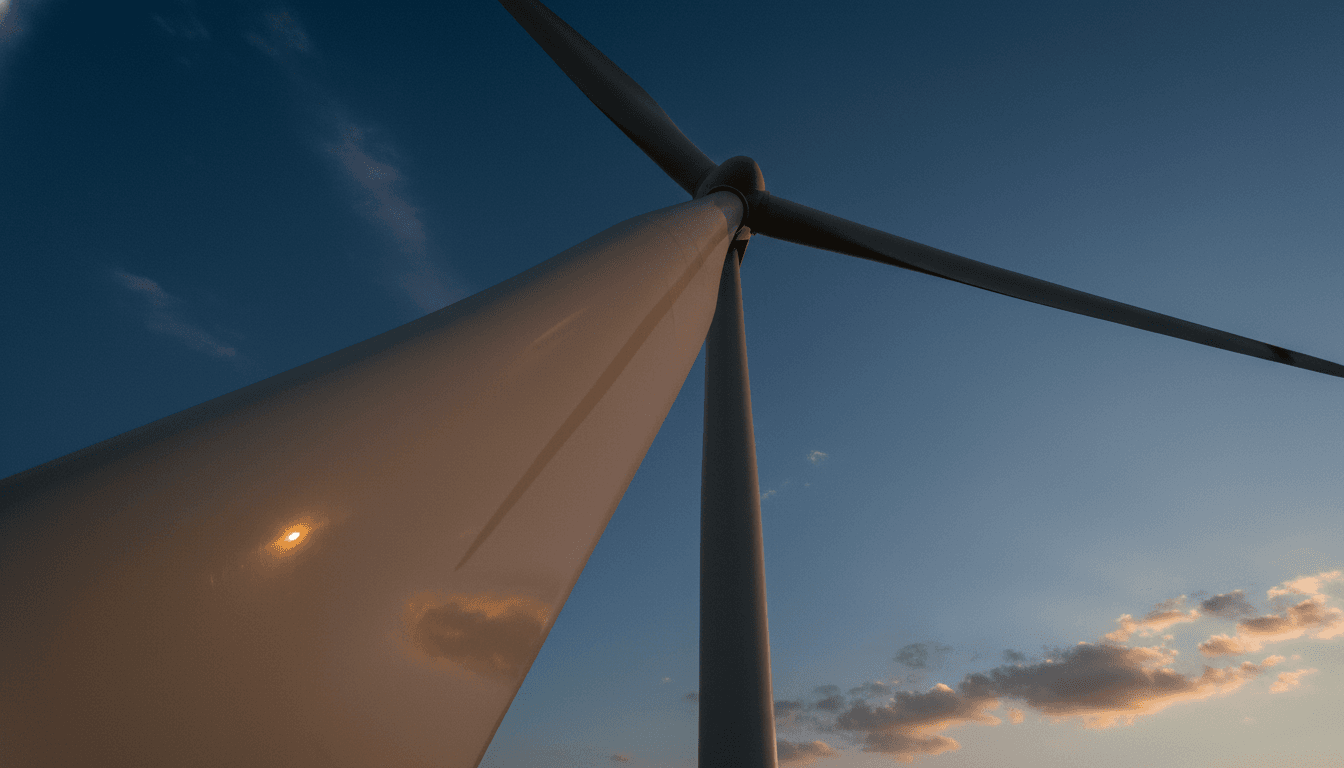
India wind capacity has seen a stunning surge, with the nation adding a record 6.05 GW of wind power in Fiscal Year 2026, signaling a significant acceleration in its renewable energy transition. This unprecedented expansion solidifies India’s position as a global leader in clean energy deployment, underscoring its commitment to combating climate change and ensuring energy security.
The Story: Accelerating India’s Green Energy Ambitions
The latest figures, released on Tuesday, April 7, 2026, highlight a pivotal moment for India’s renewable energy sector. The addition of 6.05 GW of wind capacity in FY26 represents the highest annual increase ever recorded for the country, demonstrating robust investment and strategic policy implementation. This achievement is a testament to the collaborative efforts of government initiatives, private sector participation, and technological advancements that are collectively driving India’s green energy revolution.
This substantial capacity addition is not merely a number; it translates into tangible benefits for the Indian populace and its industrial landscape. It signifies a reduced reliance on fossil fuels, leading to cleaner air, lower carbon emissions, and a more diversified energy mix. The scale of this deployment also points to a maturing domestic manufacturing ecosystem for wind energy components, creating jobs and fostering indigenous innovation.
Impact Analysis
The record 6.05 GW India wind capacity addition in FY26 will have profound implications for the broader environment and climate landscape, both domestically and internationally. Domestically, it significantly boosts India’s ability to meet its ambitious Nationally Determined Contributions (NDCs) under the Paris Agreement. By substantially increasing its renewable energy share, India is actively reducing its carbon footprint, moving closer to its net-zero targets, and setting a precedent for other developing nations.
Globally, India’s accelerated transition sends a powerful message about the feasibility and economic viability of large-scale renewable energy deployment. As one of the world’s largest emitters, India’s progress in decarbonizing its energy sector has a disproportionate positive impact on global climate efforts. This achievement can inspire greater international cooperation and investment in renewable technologies, accelerating the global energy transition.
“India’s rapid scaling of wind energy capacity demonstrates a clear pathway for major economies to balance development goals with critical climate action, setting a powerful example for sustainable growth.”
Furthermore, this expansion contributes to energy independence, shielding India from volatile international fossil fuel markets and enhancing its energy security. The dispersed nature of wind power generation also strengthens grid resilience and reduces transmission losses, leading to a more efficient and reliable power supply. For more insights on regional energy transitions, explore our related environment & climate articles.
Context & Background: A Decade of Green Momentum
India’s journey towards a renewable energy dominant future has been steadily gaining momentum over the past decade. Driven by supportive government policies such as competitive bidding mechanisms, land allocation support, and transmission infrastructure development, the wind energy sector has seen consistent growth. Previous fiscal years have laid the groundwork for this monumental achievement, with continuous policy refinements and technological advancements contributing to lower costs and increased efficiency of wind power projects.
The government’s long-term vision, including targets for achieving 500 GW of non-fossil fuel electricity capacity by 2030, has provided a clear roadmap for investors and developers. This predictable policy environment, coupled with India’s vast wind resource potential, has made the country an attractive destination for both domestic and international renewable energy investments. The current record for India wind capacity is a direct result of these sustained efforts.
What’s Next: Sustaining the Momentum
Looking ahead, the implications of this record wind capacity addition are significant. The immediate focus will be on integrating this new capacity into the national grid efficiently and ensuring grid stability. This will necessitate further investments in smart grid technologies, energy storage solutions, and inter-state transmission infrastructure. The continued growth in India wind capacity will also drive further innovation in turbine technology, project financing models, and operational efficiencies.
Future policy decisions will likely concentrate on accelerating offshore wind development, which holds immense untapped potential, and fostering a robust domestic supply chain to reduce import dependency. The government will also need to address challenges related to land acquisition and environmental clearances to ensure a smooth and sustainable growth trajectory. The commitment to expand India wind capacity is unwavering, and the next few years are expected to see even more ambitious targets and groundbreaking projects.
Key Takeaway: India’s Unstoppable Green Energy Drive
The addition of a record 6.05 GW of India wind capacity in FY26 is more than just a statistical achievement; it is a powerful affirmation of India’s unwavering commitment to its renewable energy transition. This landmark expansion underscores the nation’s capacity to lead on climate action while simultaneously pursuing economic growth and energy security. It signifies a profound shift in India’s energy landscape, one that promises a cleaner, more sustainable future for its citizens and a significant contribution to global climate goals.