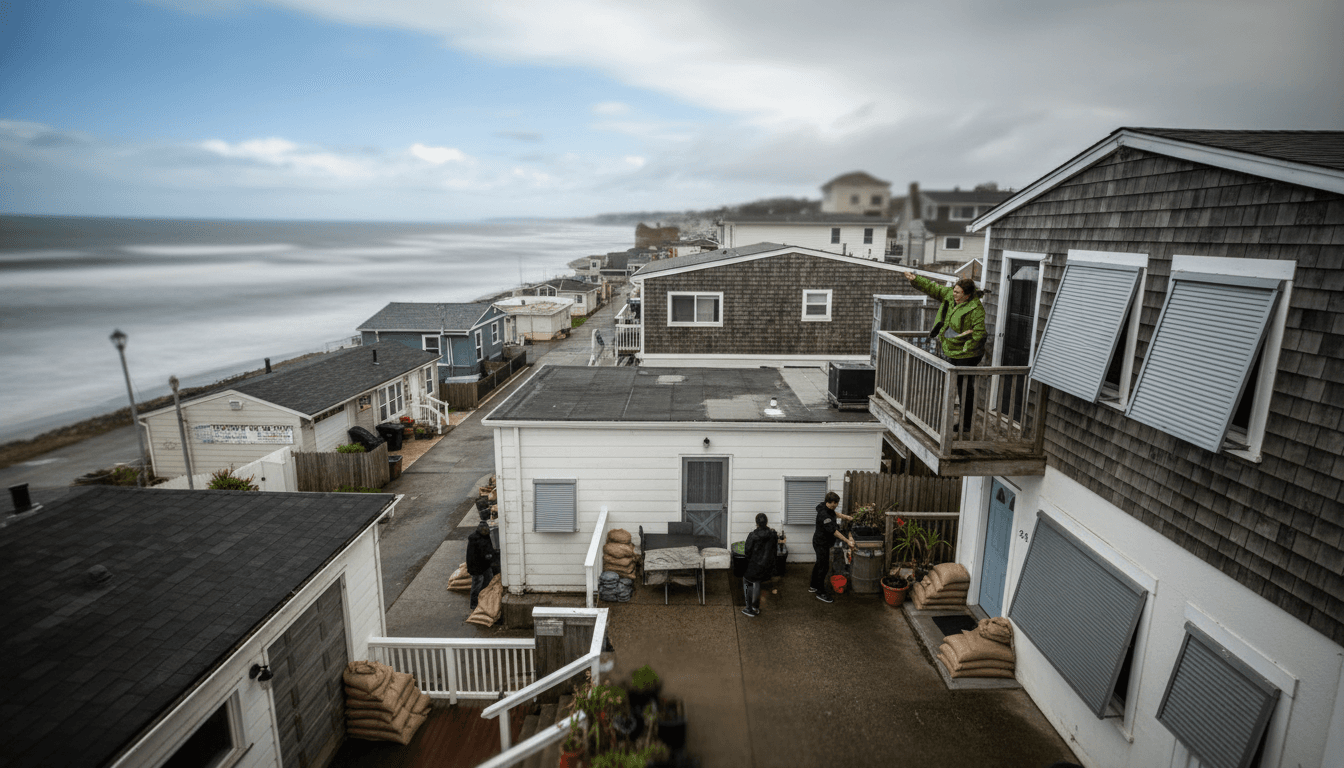
Hurricane Preparedness Week 2026 is underway, urging coastal communities and inland regions alike to thoroughly understand their individual risks associated with water and wind. The annual initiative, highlighted by Grice Connect on Thursday, May 7, 2026, serves as a crucial reminder for residents to prepare proactively for the impending hurricane season, emphasizing that preparedness is not just about boarding up windows, but about a comprehensive assessment of vulnerabilities to both storm surge and high winds.
The Call to Action: Knowing Your Risk
The core message emanating from Hurricane Preparedness Week 2026 is a direct call for individual responsibility in risk assessment. While governmental and emergency services play a vital role in large-scale disaster response, the initial line of defense against a hurricane’s destructive power lies with informed citizens. The emphasis on ‘knowing your risk’ goes beyond general awareness, pushing individuals to identify specific threats unique to their property and location. This includes understanding the potential for storm surge in low-lying areas, riverine flooding far from the coast, and the structural integrity of homes against sustained high winds.
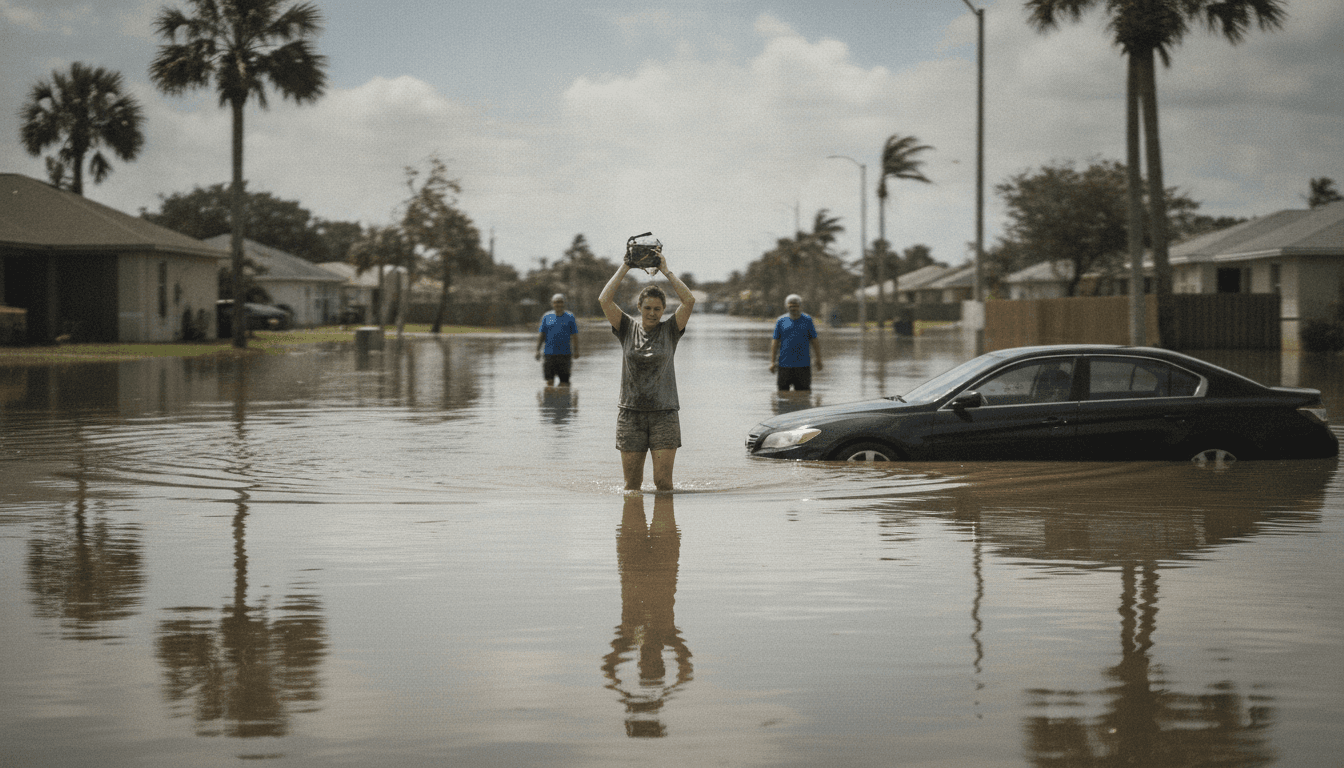
For many, the focus often defaults to wind damage – fallen trees, damaged roofs, and power outages. However, historical data consistently shows that water, whether from storm surge, heavy rainfall, or inland flooding, is the deadliest and most destructive aspect of hurricanes. This year’s preparedness messaging is clearly attempting to rebalance that perception, ensuring communities grasp the full spectrum of threats.
Impact Analysis: A Shifting Climate Landscape
The renewed emphasis during Hurricane Preparedness Week 2026 on water and wind risks arrives amidst a backdrop of increasing climate volatility. Scientific consensus points to a future with potentially fewer, but more intense, hurricanes, alongside rising sea levels that exacerbate storm surge impacts. This means that a ‘moderate’ storm today could have the same or greater impact as a ‘stronger’ storm from decades past, simply due to the elevated baseline of the ocean. The message from Grice Connect underscores a critical adaptation strategy for communities facing these amplified threats. Related environment & climate articles frequently detail the financial implications of such extreme weather events, from insured losses to the long-term economic disruption of coastal economies.
“Understanding the nuanced dangers of both water and wind is no longer an optional exercise; it’s a fundamental requirement for resilience in an era of accelerating climate change.”
The economic toll of inadequate preparation is staggering. Billions are spent annually on recovery efforts, much of which could be mitigated by proactive measures. This includes investing in robust infrastructure, enforcing stricter building codes, and educating the public on actionable steps like securing flood insurance and having an evacuation plan. The focus on individual risk assessment during Hurricane Preparedness Week 2026 is a grassroots approach to building this broader resilience.
Context & Background: A Legacy of Vulnerability
The history of hurricane impacts in the United States, particularly along the Gulf and Atlantic coasts, is a testament to the persistent vulnerability of human settlements to natural forces. While advancements in forecasting have dramatically improved warning times, the sheer destructive power of these storms continues to challenge even the most prepared regions. From the devastating storm surge of Hurricane Katrina to the widespread flooding caused by Hurricane Florence, water has repeatedly proven to be a primary killer and destroyer of property.
Previous preparedness campaigns have often focused on general emergency kits and evacuation routes. However, the 2026 iteration, as highlighted by Grice Connect, appears to be drilling down into the specific physical phenomena of hurricanes. This reflects a growing understanding that generic advice is insufficient when dealing with highly localized risks. A home a few blocks from the coast might prioritize storm surge mitigation, while one further inland might focus on wind-resistant construction and freshwater flooding prevention.
What’s Next: Integrating Data and Policy
Looking ahead, the success of initiatives like Hurricane Preparedness Week 2026 will depend on how effectively individual awareness translates into collective action and policy changes. There is a clear need for communities to integrate advanced climate modeling and localized flood risk data into urban planning and zoning regulations. This includes discouraging new construction in high-risk flood zones and incentivizing the retrofitting of existing structures to withstand stronger winds and higher water levels.
Furthermore, the financial sector, including insurance companies and mortgage lenders, will play an increasingly critical role. Clearer communication of risk, tied to tangible financial incentives for mitigation, could drive greater adoption of preparedness measures. The dialogue initiated during Hurricane Preparedness Week 2026 is a foundational step, but sustained effort from all sectors will be required to build truly resilient communities. Investment in climate resilience is becoming a non-negotiable aspect of long-term economic stability.
Key Takeaway: Personalizing Preparedness
The core message of Hurricane Preparedness Week 2026 is the imperative to personalize preparedness. It is no longer enough to be generally aware of hurricane season; individuals and communities must deeply understand their specific vulnerabilities to both water and wind. This granular approach, emphasized by Grice Connect, is essential for mitigating the escalating risks posed by a changing climate and for building a more resilient future against the increasing intensity of hurricane events.