Global warming fuels stronger hurricanes, a critical finding highlighted by Yale Climate Connections on Thursday, April 16, 2026. This stark reality underscores a growing threat to coastal communities and global economies, as the planet’s rising temperatures directly correlate with an intensification of the most powerful tropical cyclones.
The Escalating Threat of Stronger Hurricanes
The core of this revelation from Yale Climate Connections is unambiguous: global warming is making the strongest hurricanes stronger. This isn’t merely an increase in frequency, but a significant boost in the destructive potential of the most intense storms. As ocean temperatures rise, they provide more energy for tropical cyclones, allowing them to reach and sustain higher wind speeds and greater rainfall totals. The implications for infrastructure, human life, and economic stability are profound, particularly for regions already vulnerable to these natural disasters.
The mechanism is rooted in basic physics. Warmer waters evaporate more readily, increasing atmospheric moisture. This moisture, combined with higher sea surface temperatures, acts as fuel for hurricanes, enabling them to rapidly intensify. This phenomenon is particularly noticeable in storms reaching Category 4 and 5 status, where the additional energy translates into substantially greater destructive power. The financial costs associated with these stronger storms are astronomical, encompassing everything from property damage and business interruption to long-term recovery efforts and increased insurance premiums. For more on the economic fallout of climate change, see our related environment & climate articles.
Impact Analysis: Global Warming Fuels Stronger Hurricanes
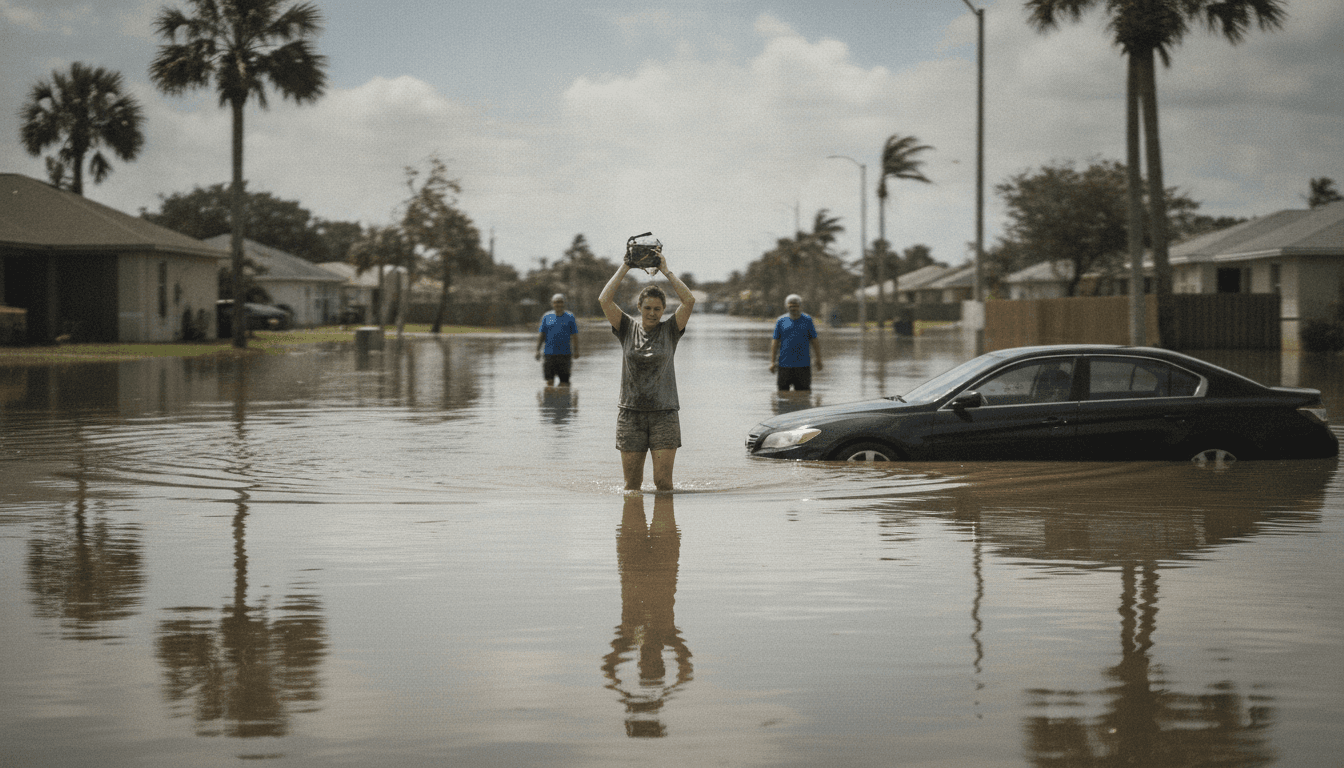
The impact of global warming fueling stronger hurricanes extends far beyond the immediate devastation of landfall. Environmentally, the increased intensity leads to more severe storm surges, accelerated coastal erosion, and saltwater intrusion into freshwater systems, threatening ecosystems and agricultural lands. Climate-wise, the feedback loop is concerning: stronger storms can exacerbate carbon emissions through widespread infrastructure damage and recovery efforts, even as they are a direct consequence of those emissions.
“The discernible trend of stronger hurricanes is a direct warning sign of our changing climate, demanding immediate and sustained action to mitigate greenhouse gas emissions and bolster resilience.”
Economically, this trend presents a significant and escalating risk. Industries reliant on coastal infrastructure, such as shipping, tourism, and energy, face heightened operational disruptions and capital expenditure for adaptation. The insurance sector, in particular, is grappling with unprecedented claims, leading to rising premiums and, in some cases, a withdrawal of coverage from high-risk areas. This creates a ripple effect, impacting property values, regional development, and the overall financial stability of affected communities.
Historical Context and Emerging Trends
The understanding that global warming fuels stronger hurricanes is not a sudden revelation but the culmination of decades of scientific research and observation. Climatologists have long predicted such an outcome, and recent years have provided increasingly clear empirical evidence. The frequency of rapid intensification events, where a tropical storm quickly escalates into a major hurricane, has also shown an upward trend, further complicating forecasting and preparedness efforts. This aligns with broader climate models predicting more extreme weather events across the globe, from heatwaves to torrential rainfall. The scientific consensus is firm: human-induced climate change is altering the fundamental characteristics of these powerful weather systems.
What’s Next: Adaptation and Mitigation Imperatives
Looking ahead, the imperative to address the fact that global warming fuels stronger hurricanes involves a dual approach: aggressive mitigation of greenhouse gas emissions and robust adaptation strategies. International agreements and national policies aimed at decarbonization are crucial to slowing the rate of warming. Simultaneously, coastal communities must invest in resilient infrastructure, improved early warning systems, and comprehensive evacuation plans. This includes elevating buildings, restoring natural coastal barriers like mangroves and coral reefs, and developing innovative flood protection measures. The private sector will play a vital role, both in developing green technologies and in financing climate adaptation projects. Businesses must integrate climate risk into their strategic planning, considering supply chain vulnerabilities and potential market shifts.
Key Takeaway
The message from Yale Climate Connections is clear and urgent: global warming fuels stronger hurricanes, presenting an undeniable and escalating threat that demands a coordinated, multi-faceted response. This isn’t a distant future scenario but a present reality impacting lives, economies, and ecosystems today. The financial implications alone are staggering, underscoring the critical need for investment in both climate action and resilience. Failure to address this intensifying challenge will result in ever-greater human suffering and economic disruption, reinforcing the urgency for a global pivot towards sustainable practices and climate-resilient development. The future economic stability of vulnerable regions hinges on our collective ability to mitigate warming and adapt to the more powerful storms it unleashes.