Global sea temperatures near record in March, a development that underscores mounting concerns within the climate science community regarding the accelerating pace of planetary warming. This concerning trend, reported by a climate agency on Sunday, May 10, 2026, is further exacerbated by the increasing odds of an El Niño event, which typically brings warmer global temperatures and altered weather patterns. The confluence of these factors presents a complex challenge for environmental stability and economic resilience worldwide.
The Story: Rising Sea Temperatures and El Niño Odds
The core of this unfolding environmental narrative centers on the observed sea temperatures near record levels during March, a critical indicator of the broader health of the world’s oceans. This data point, released by an unnamed climate agency, highlights a persistent warming trend that has implications far beyond the marine environment. Simultaneously, the agency has noted a significant increase in the odds of an El Niño phenomenon. El Niño, a natural climate pattern originating in the Pacific Ocean, is characterized by unusually warm ocean temperatures in the equatorial Pacific, which can trigger a cascade of global weather disruptions, from intensified droughts to increased rainfall in various regions.
The timing of these two phenomena – near-record sea temperatures and rising El Niño probabilities – creates a synergistic effect, potentially amplifying the impacts. Warmer oceans absorb a significant portion of the excess heat trapped by greenhouse gases, leading to thermal expansion and sea-level rise, as well as impacting marine ecosystems. The additional warming influence of an El Niño event could push global average temperatures even higher, potentially breaching critical thresholds and intensifying extreme weather events across continents. This dual threat demands urgent attention from policymakers and industry leaders alike.
Impact Analysis
The implications of near-record global sea temperatures near record, coupled with an impending El Niño, are far-reaching, affecting everything from global food security to energy demand and infrastructure resilience. Marine ecosystems are particularly vulnerable; coral reefs, already stressed by ocean acidification and previous heatwaves, face an increased risk of mass bleaching events. Fisheries, a vital source of protein and economic activity for many nations, could see shifts in fish populations and reduced yields as species migrate to cooler waters or struggle to adapt.
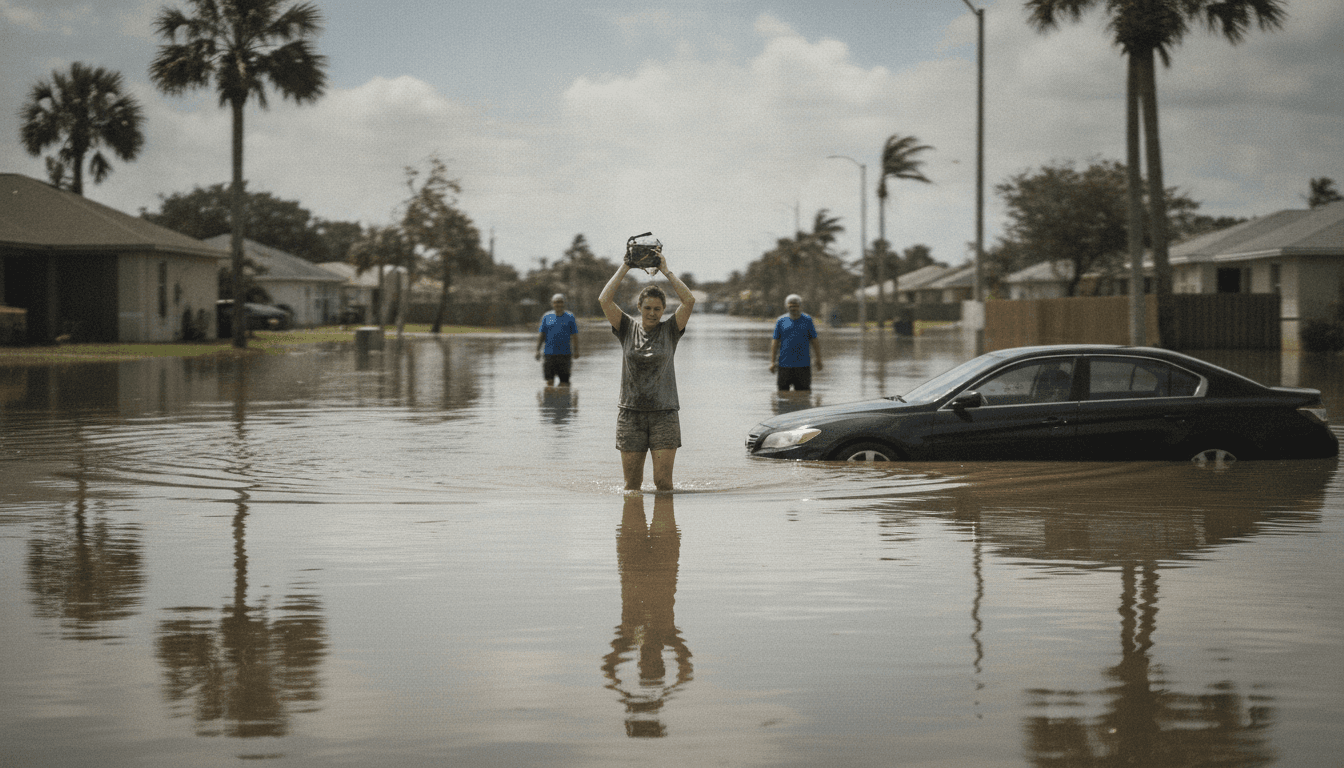
On land, the El Niño influence, amplified by underlying ocean warmth, can trigger severe drought conditions in some regions, threatening agriculture, water supplies, and increasing the risk of wildfires. Conversely, other areas might experience heavier-than-average rainfall and flooding, leading to humanitarian crises and significant economic damage. The global supply chain, already fragile from recent disruptions, could face new pressures from agricultural losses and infrastructure damage. Industries reliant on stable weather patterns, from tourism to construction, will need to prepare for increased volatility. For more insights into climate-related economic impacts, explore our related environment & climate articles.
Context & Background: A Warming Trend
This recent development is not an isolated incident but rather fits into a decades-long pattern of rising global temperatures. Scientific consensus points to anthropogenic climate change as the primary driver of this warming. Previous years have seen numerous records broken for global average temperatures, ocean heat content, and extreme weather events. The frequency and intensity of El Niño events themselves are also subjects of ongoing scientific research, with some studies suggesting potential alterations in their characteristics under a warming climate. The 2015-2016 El Niño, for instance, was one of the strongest on record, contributing to a significant global temperature spike and widespread environmental impacts.
The current situation echoes concerns raised by international bodies like the Intergovernmental Panel on Climate Change (IPCC), which have consistently warned about the escalating risks of climate change. The sustained warming of the oceans is a critical component of this broader trend, as oceans absorb over 90% of the excess heat from human emissions. This thermal inertia means that even if greenhouse gas emissions were to cease tomorrow, the oceans would continue to warm for decades, perpetuating many of the observed impacts. Understanding this historical context is crucial for appreciating the gravity of the current near-record sea temperatures.
What’s Next: Preparing for a Warmer Future
Looking ahead, the rising odds of an El Niño event, coupled with near-record global sea temperatures, necessitate proactive measures and strategic planning. Climate agencies and meteorological organizations will continue to monitor ocean temperatures and atmospheric conditions closely, providing updated forecasts for the El Niño’s development and potential impacts. Governments, businesses, and communities must leverage these forecasts to implement adaptation strategies, such as strengthening early warning systems for extreme weather, investing in drought-resistant crops, and improving water management infrastructure. International cooperation will be vital in addressing cross-border impacts and supporting vulnerable nations.
“The convergence of sustained ocean warming and an impending El Niño signals a critical juncture for global climate action, demanding both mitigation of emissions and robust adaptation strategies to protect economies and ecosystems worldwide.”
Furthermore, the long-term imperative remains the rapid decarbonization of global economies to mitigate the root causes of climate change. While adaptation addresses the symptoms, only significant reductions in greenhouse gas emissions can stabilize global temperatures and prevent even more severe future impacts. Discussions around renewable energy transition, carbon capture technologies, and sustainable land use practices will gain renewed urgency in the face of these warming trends. For deeper dives into policy responses and technological innovations, refer to our comprehensive environment & climate coverage.
Key Takeaway: The Urgency of Climate Action
The news of global sea temperatures near record in March, compounded by increasing El Niño odds, serves as a stark reminder of the accelerating climate crisis. It underscores the interconnectedness of Earth’s systems and the profound influence human activities have on them. This convergence of factors is not merely an environmental concern; it is a fundamental challenge to global economic stability, public health, and societal well-being. The financial implications of disrupted supply chains, damaged infrastructure, and increased disaster relief efforts will be substantial. Therefore, the imperative for comprehensive, collaborative, and immediate climate action—encompassing both ambitious emission reductions and robust adaptation measures—has never been more critical to safeguard a stable future.