Global environmental problems in 2026 have reached a critical juncture, with rising temperatures, resource depletion, and pervasive pollution reshaping ecosystems across the planet. A comprehensive report from Nature World News, published on April 7, 2026, highlights how these issues are no longer isolated but interact in complex feedback loops, amplifying damage across land, oceans, and the atmosphere, with profound implications for economies, health systems, and biodiversity.
Authored by Glanze Patrick, the report details a stark reality where challenges like accelerating climate change and the growing plastic pollution crisis are impacting human lives and natural systems at an unprecedented scale. Understanding these interconnected threats is paramount for recognizing the urgency of immediate, coordinated action.
The Ten Pressing Challenges of 2026
Nature World News identifies ten primary global environmental problems demanding urgent attention:
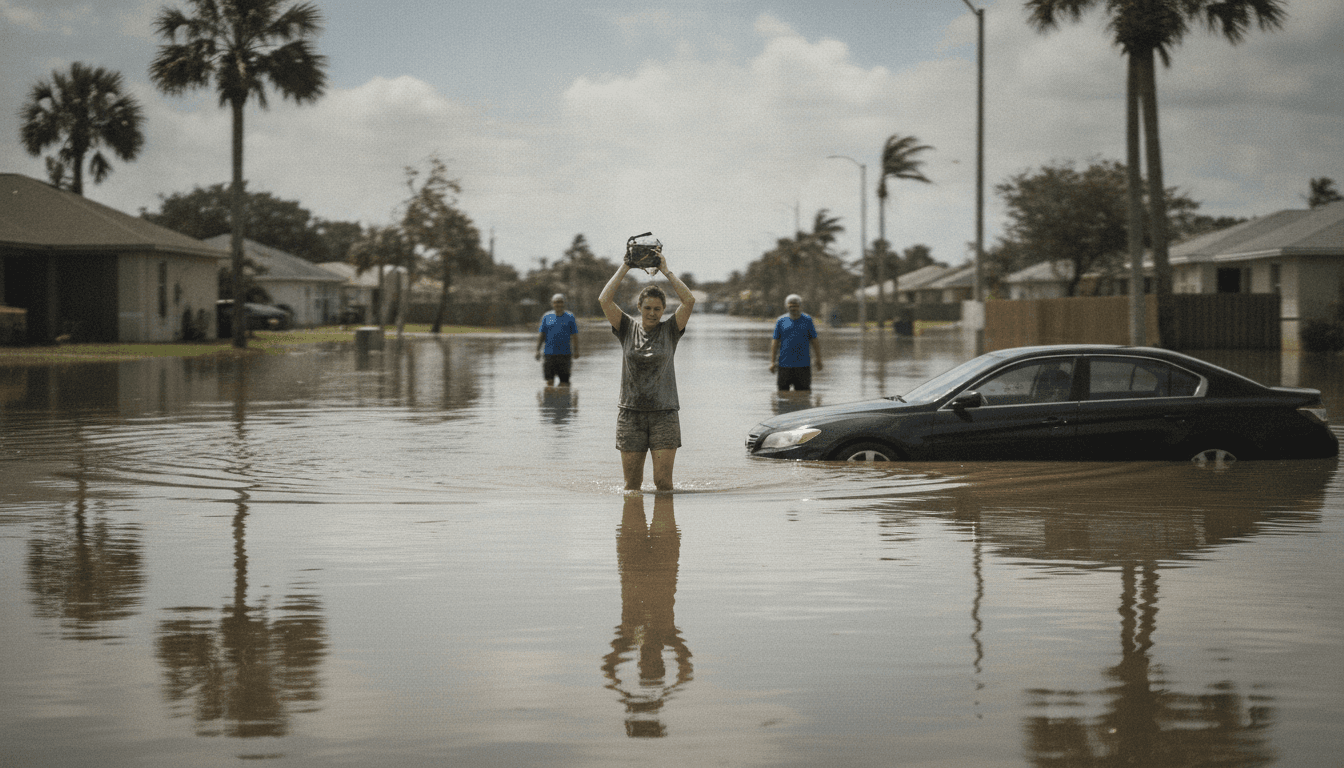
- Climate Change: The overarching crisis, marked by intensifying extreme weather events—heatwaves, stronger storms, prolonged droughts—and accelerating sea level rise from melting ice caps and glaciers. This instability disrupts agriculture, water supplies, and global ecosystems.
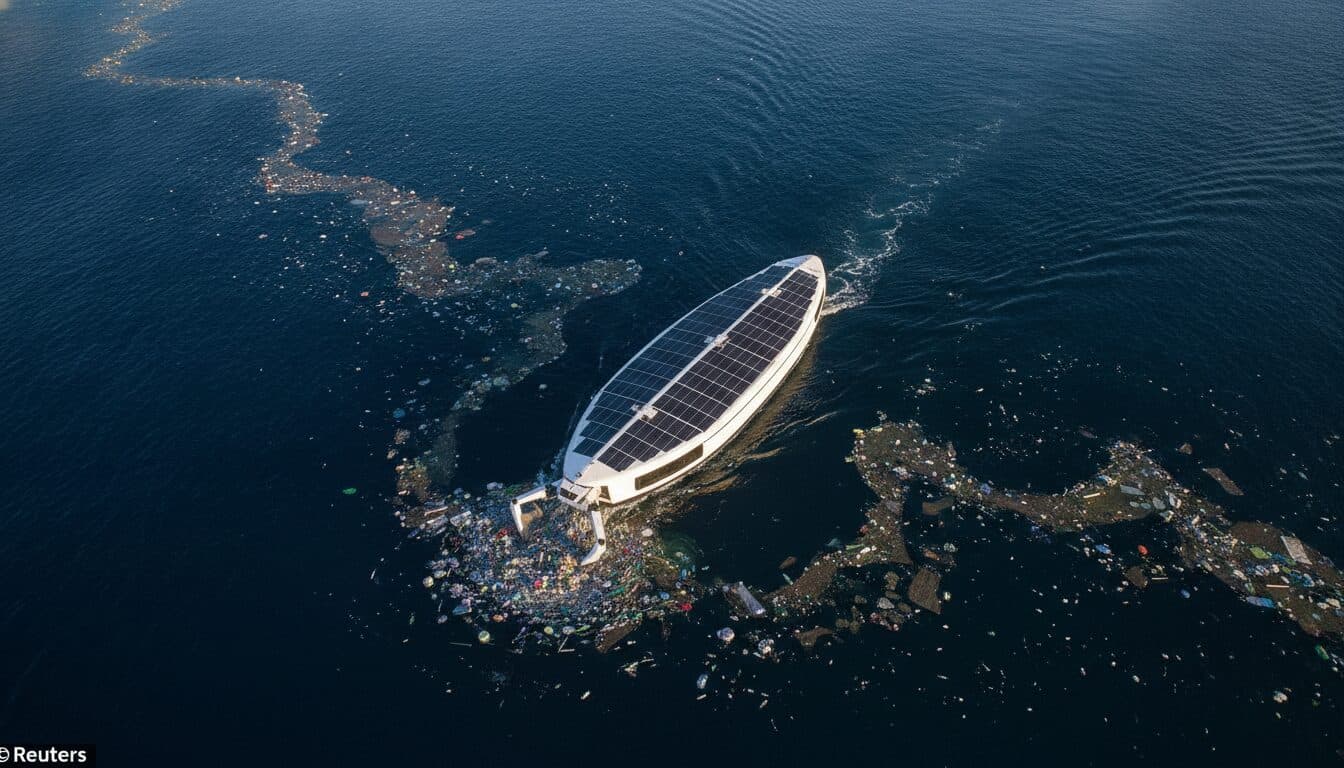
- Plastic Pollution Crisis: Billions of tons of plastic waste overwhelm global systems, polluting oceans, embedding microplastics in marine life, drinking water, and human bodies, and causing severe health concerns while damaging fisheries and tourism.
- Deforestation Rates: Rapid forest loss, driven by agriculture, logging, and urban expansion, particularly in regions like the Amazon, diminishes the planet’s carbon absorption capacity, exacerbating climate change, and threatening indigenous communities and biodiversity.
- Biodiversity Collapse: Alarming species extinction rates, fueled by habitat loss, climate change, and pollution, undermine ecosystems vital for food, medicine, and environmental stability, weakening nature’s resilience.
- Water Scarcity: Billions lack access to clean water, particularly in arid and densely populated regions, leading to food shortages, increased conflict, and public health crises.
- Air Pollution: Emissions from vehicles, industries, and fuel burning cause millions of premature deaths annually, contributing to respiratory diseases and heart conditions, especially in urban centers.
- Soil Degradation: Over-farming, deforestation, and poor land management reduce fertile land, impacting agricultural productivity, increasing reliance on chemical fertilizers, and risking desertification and food insecurity.
- Overfishing: Unsustainable practices deplete fish populations, threatening food security for billions and disrupting marine ecosystems and biodiversity.
- Waste Management Crisis: Escalating global waste volumes overwhelm infrastructure, leading to widespread pollution and methane emissions from landfills, while recycling systems remain largely inefficient.
- Ozone Depletion: Despite global efforts, some regions still experience ozone layer thinning, increasing exposure to harmful UV radiation and risks of skin cancer, crop damage, and marine life harm, necessitating continued vigilance.
These issues are not isolated; their interdependencies mean that progress on one often influences the others, creating a complex web of environmental challenges.
Global Environmental Problems: Feedback Loops and Tipping Points
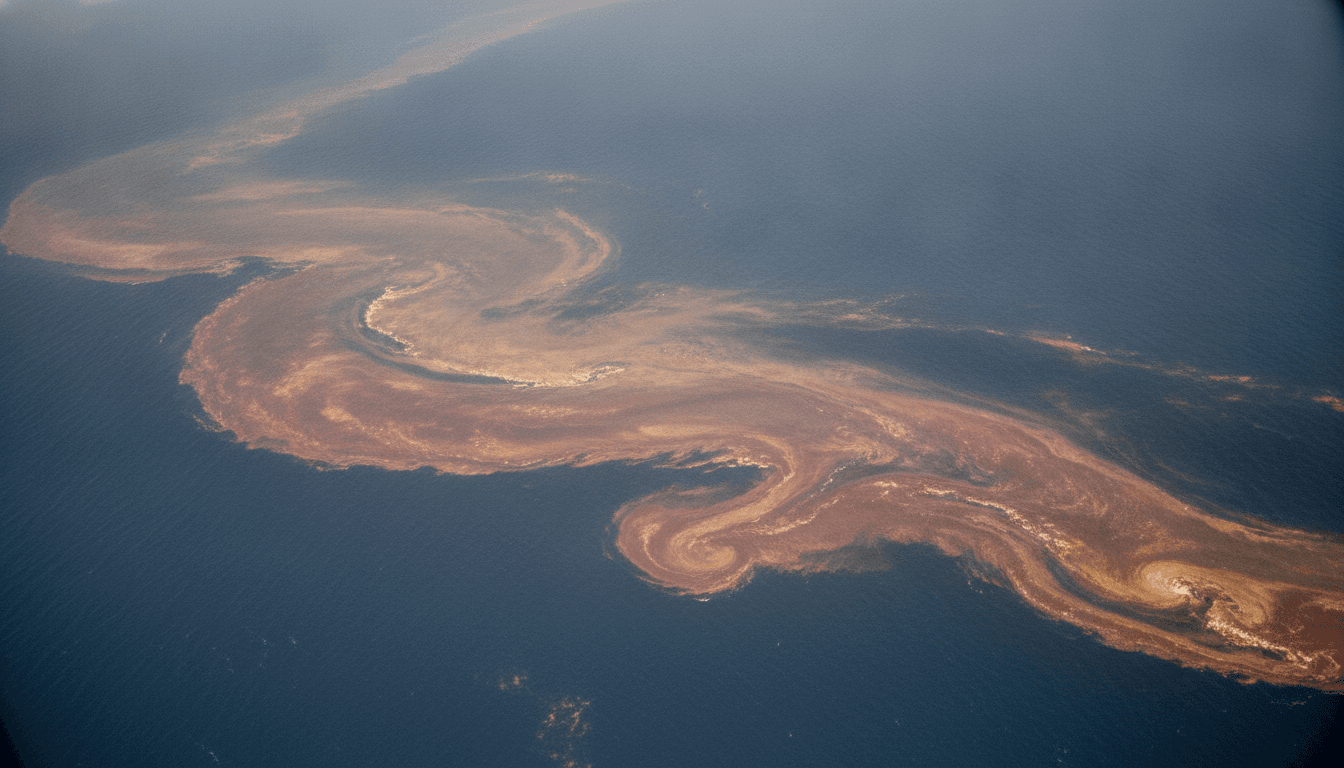
Many of these global environmental problems are exacerbated by dangerous feedback loops, which accelerate climate change. As global temperatures rise, natural systems release stored carbon, intensifying warming. For instance, thawing permafrost releases potent greenhouse gases, while continued deforestation diminishes the planet’s ability to absorb carbon dioxide. Concurrently, ocean warming and acidification severely impact marine life, contributing to biodiversity collapse. These interconnected processes are pushing ecosystems towards irreversible tipping points, where environmental problems in 2026 risk spiraling out of control.
“The interconnectedness of these environmental problems means that a failure to address one can rapidly intensify others, pushing global systems closer to irreversible thresholds,” states the Nature World News report, emphasizing the urgency of integrated solutions.
Economic, Health, and Migration Impacts
The ripple effects of climate change challenges extend far beyond ecological boundaries, profoundly influencing global economies, public health, and human migration patterns. As environmental problems in 2026 intensify, extreme weather events and critical resource shortages are disrupting industries and livelihoods worldwide. Food production faces increasing threats from water scarcity and soil degradation, leading to higher prices and food insecurity. Meanwhile, persistent air pollution continues to claim millions of lives annually, burdening healthcare systems and reducing life expectancy. These escalating global environmental issues are also a significant driver of forced migration, compelling communities to relocate due to rising sea levels, prolonged droughts, and catastrophic natural disasters, further straining global infrastructure and resources. For more on how environmental shifts are impacting human movement, see our related environment & climate articles.
Sustainable Solutions for a Precarious Future
Addressing the complex array of environmental problems in 2026 demands a multi-faceted, coordinated approach. The report stresses the importance of implementing sustainable solutions that tackle multiple global environmental issues simultaneously. Key strategies include large-scale reforestation initiatives, rapid adoption of renewable energy sources, and significant improvements in global waste management systems. Efforts to combat the plastic pollution crisis, through enhanced recycling infrastructure and the promotion of circular economy practices, are gaining crucial momentum. Furthermore, restoring degraded ecosystems is vital for slowing biodiversity collapse and bolstering natural resilience against climate change challenges. Long-term progress hinges on achieving a delicate balance between robust environmental protection and sustainable development strategies that ensure the well-being of both people and the planet.
What the Future Demands Next
The sheer scale and interconnected nature of environmental problems in 2026 leave no doubt that urgent and sustained action is imperative. From confronting the pervasive plastic pollution crisis to reversing alarming deforestation rates, every step taken plays a pivotal role in shaping the planet’s future. As climate change challenges continue to evolve, the path forward necessitates a combination of innovation, heightened public awareness, and a collective, unwavering effort to safeguard ecosystems and human life. The stakes are profoundly high, and the global community’s response in the coming years will determine the legacy we leave for future generations.