Global drought deepens, marking a grim reality where climate change kills by a thousand cuts, as revealed in a report from The Nation on Friday, May 8, 2026. This stark assessment underscores the insidious, incremental devastation wrought by an increasingly volatile climate, impacting regions worldwide and threatening livelihoods, ecosystems, and economic stability.
The report from The Nation highlights the escalating crisis of global drought, framing it not as a series of isolated incidents but as a pervasive, system-wide failure driven by anthropogenic climate change. While specific locations or actors are not detailed in the provided content, the implication is a worldwide phenomenon affecting countless communities. The phrase ‘climate change kills by a thousand cuts’ powerfully encapsulates the cumulative, often subtle, yet ultimately devastating effects of prolonged water scarcity. This isn’t a single catastrophic event but a slow erosion of environmental resilience and human well-being, manifesting through crop failures, water shortages, increased risk of wildfires, and ecosystem collapse.
Impact Analysis: Global Drought Deepens
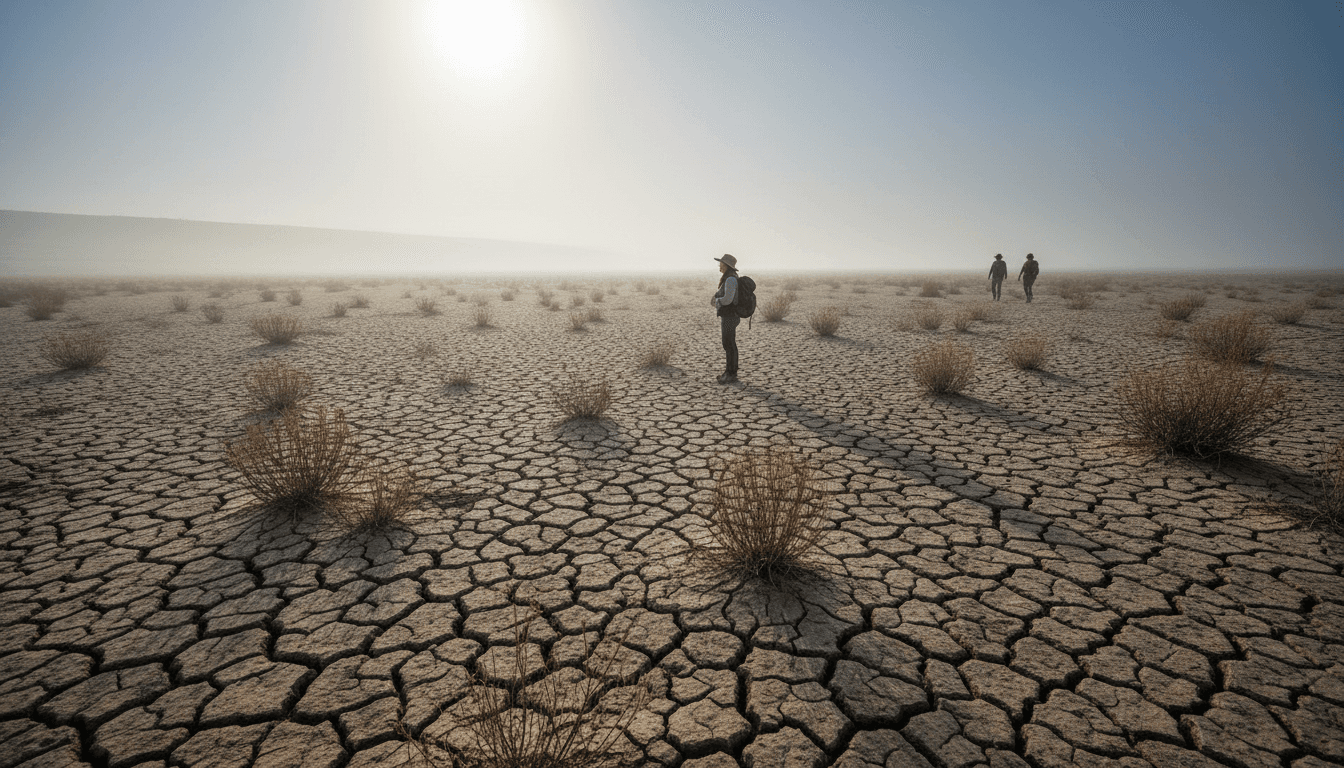
The deepening global drought crisis profoundly affects the broader environment and climate landscape. Ecologically, sustained drought stresses ecosystems, leading to desertification, loss of biodiversity, and increased vulnerability to pests and diseases. Agriculturally, it threatens global food security, driving up commodity prices and creating potential for humanitarian crises. Economically, industries reliant on water, from agriculture to manufacturing and energy production, face significant disruption and increased operational costs. The social ramifications include mass migrations, health issues related to poor sanitation and heat stress, and increased geopolitical tensions over dwindling water resources. This ‘thousand cuts’ metaphor suggests that the impact is not easily localized or attributed to a single cause, making comprehensive policy responses challenging yet imperative. The interconnectedness of global systems means that drought in one region can have ripple effects across continents, impacting supply chains and resource availability far beyond its immediate geographic confines. For instance, reduced hydroelectric power generation in drought-stricken areas can lead to increased reliance on fossil fuels, exacerbating global emissions targets and creating a feedback loop of climate degradation.
Context & Background
The current phase of global drought deepens against a backdrop of decades of scientific warnings about the impacts of rising global temperatures. Climate models have long predicted increased frequency and intensity of extreme weather events, including prolonged droughts. Previous events, such as the persistent droughts in the American West, the Horn of Africa, and parts of Europe and Asia, serve as grim precursors to the current, more widespread crisis. Industry trends indicate a growing recognition among corporations and governments of the need for climate adaptation strategies, but implementation often lags behind the accelerating pace of environmental change. The concept of ‘climate change kills by a thousand cuts’ reflects a shift in understanding from singular, dramatic climate disasters to a more nuanced appreciation of the chronic, pervasive damage inflicted by a changing climate. This perspective emphasizes the insidious nature of warming, where each small impact — a dry riverbed, a failed harvest, a parched forest — collectively amounts to a catastrophic decline.
“The incremental devastation wrought by an increasingly volatile climate, impacting regions worldwide and threatening livelihoods, ecosystems, and economic stability, demands a rethinking of our environmental strategies.”
What’s Next
Looking ahead, the implications of deepening global drought are severe. Future decisions will likely revolve around accelerated investments in water conservation technologies, drought-resistant agriculture, and climate-resilient infrastructure. International cooperation will be critical in managing transboundary water resources and providing humanitarian aid to affected populations. Predictions suggest that without aggressive mitigation and adaptation efforts, the frequency and intensity of droughts will continue to rise, leading to further societal and economic disruption. Policymakers face the daunting task of balancing immediate crisis response with long-term strategic planning to build resilience against future climate shocks. The scientific community will continue to refine models and provide critical data, informing policies aimed at reducing carbon emissions and managing the inevitable consequences of a warming world. The need for innovative financial instruments and public-private partnerships to fund these massive transitions is becoming increasingly apparent, as highlighted in numerous analyses of climate finance.
Key Takeaway
The Nation’s report on May 8, 2026, serves as a critical warning: the global drought deepens, and the cumulative impact of climate change is manifesting as a slow, relentless erosion of our planet’s stability. The metaphor of ‘climate change kills by a thousand cuts’ underscores the pervasive, often underestimated, nature of this crisis. It is not merely about isolated weather events but a systemic degradation that demands urgent, comprehensive, and sustained global action. The future of our economies, societies, and ecosystems hinges on our collective ability to recognize and respond to this escalating threat, transforming our approach from reactive measures to proactive, systemic resilience-building.