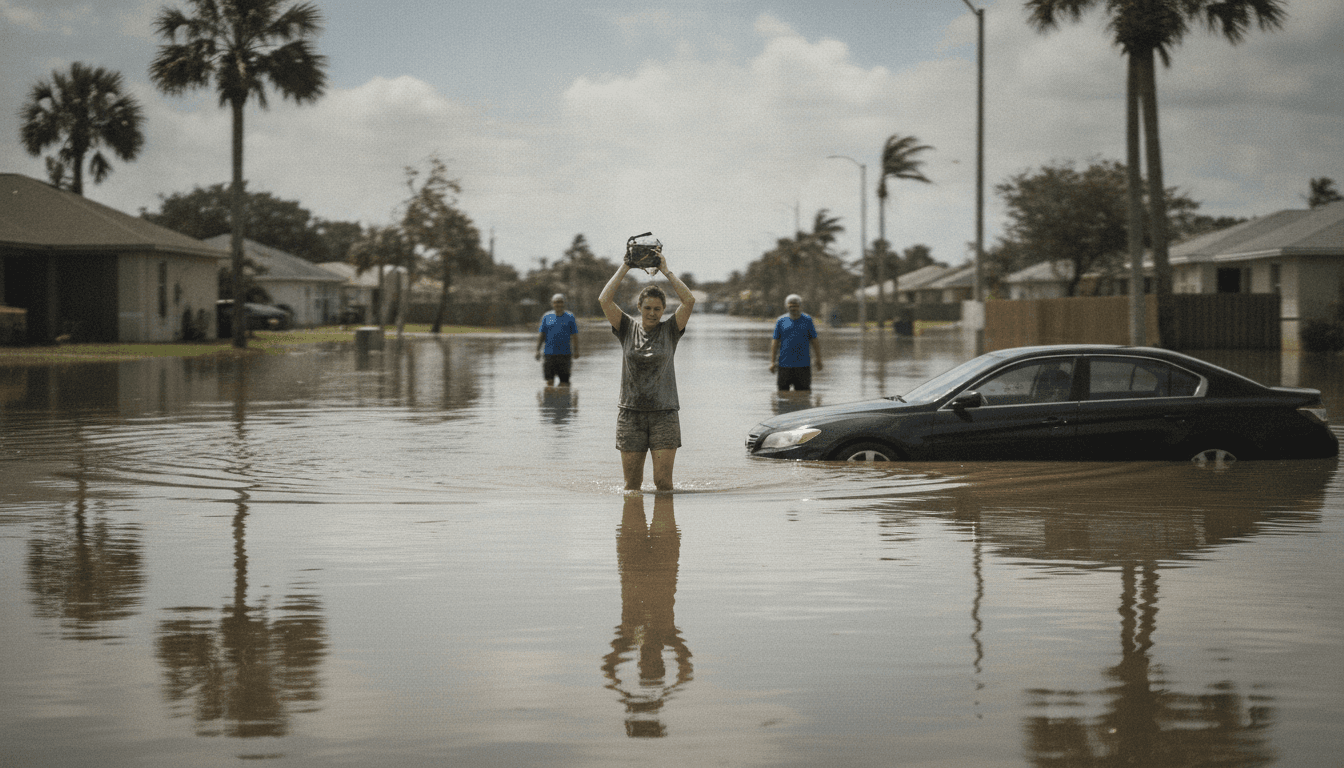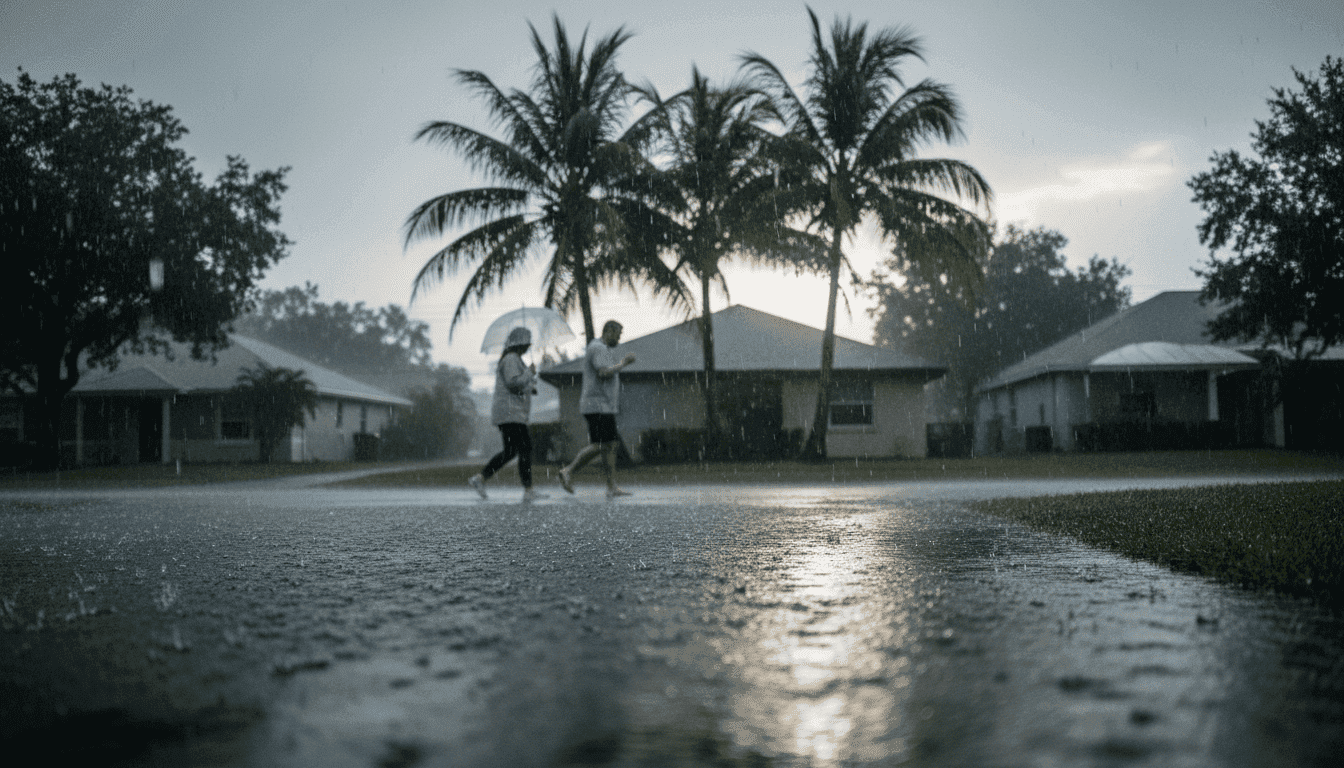
Florida storms drench drought-hit areas, sparking widespread flood and hazard alerts across the state this Tuesday, May 5, 2026. The sudden deluge follows a prolonged period of drought, creating a complex and immediate environmental challenge for the region. The intense rainfall has rapidly altered the hydrological landscape, shifting concerns from water scarcity to potential inundation in a matter of hours.
The events unfolding in Florida represent a stark example of the intensifying volatility in weather patterns, a hallmark of a changing climate. While specific details regarding the exact locations and rainfall amounts are still emerging, the broad alerts issued by authorities underscore the severity of the situation. Residents are being urged to exercise caution as floodwaters rise, posing risks to infrastructure and public safety. This rapid transition from drought to flood highlights the increasing extremities of weather events that communities globally are grappling with.
Impact Analysis of Florida Storms Drench Drought-Hit Areas
The immediate impact of the Florida storms drench drought-hit areas is multifaceted. On one hand, the rainfall offers a much-needed replenishment for parched ecosystems and depleted water reserves, potentially alleviating long-term drought conditions that have stressed agriculture and natural habitats. However, the speed and intensity of the downpour present significant challenges. Drought-hardened ground struggles to absorb large volumes of water quickly, leading to increased surface runoff and a higher risk of flash flooding. This can erode topsoil, contaminate water sources, and overwhelm storm drainage systems.
Ecologically, the sudden influx of freshwater can shock aquatic systems, potentially leading to fish kills or disrupting delicate estuarine balances. For human infrastructure, roads, bridges, and low-lying residential areas are particularly vulnerable to flooding. The hazard alerts issued indicate concerns beyond just standing water, potentially including lightning, strong winds, and even localized tornadoes, further complicating emergency responses. Businesses in affected areas face operational disruptions and potential property damage, adding an economic dimension to the environmental crisis. This pattern of extreme swings between drought and flood is becoming a recurring theme in climate discussions, necessitating robust adaptation strategies. For a deeper dive into climate adaptation, read our recent analysis on urban resilience strategies.
Context and Background
Florida, a peninsula state, is inherently susceptible to both drought and intense rainfall events. Its flat topography and extensive coastline make it particularly vulnerable to the impacts of both water scarcity and excess. Historical data shows a recurring pattern of dry seasons followed by periods of heavy precipitation, often exacerbated by tropical systems. However, the recent trend points towards more extreme and less predictable variations. Scientists have long warned that climate change would lead to more frequent and intense weather events, including prolonged droughts and more powerful storms. This current episode of Florida storms drench drought-hit areas aligns with those predictions, demonstrating the real-world implications of these broader climatic shifts.
The state has invested significantly in water management infrastructure, including vast canal systems and stormwater retention facilities, designed to mitigate both drought and flood impacts. Yet, events like those occurring this Tuesday, May 5, 2026, test the limits of even the most sophisticated systems. The economic implications of such events are substantial, impacting sectors from tourism and agriculture to insurance and real estate. The challenge lies not just in managing the immediate crisis but in adapting long-term strategies to cope with a future defined by increased weather volatility. Our report on climate-resilient infrastructure investments provides further insights.
“The rapid shift from drought to flood in Florida is a stark reminder of the escalating climate volatility. It underscores the urgent need for integrated water management strategies that can adapt to both extremes, rather than just one.”
What’s Next
In the immediate aftermath, authorities will focus on damage assessment, recovery efforts, and ensuring public safety. This includes monitoring water levels, managing potential power outages, and coordinating relief for affected communities. Looking ahead, this event will likely reignite discussions around Florida’s long-term climate resilience plans. Questions will inevitably arise about the adequacy of existing infrastructure to handle such rapid transitions from drought to inundation, especially as climate models predict a continuation, if not an intensification, of these trends.
Policy decisions regarding urban planning, agricultural practices, and water resource management will need to increasingly factor in these extremes. Investments in ‘green infrastructure’ solutions, such as permeable surfaces and wetland restoration, which can both absorb floodwaters and replenish groundwater, may gain further traction. The scientific community will closely analyze this event to refine climate models and improve forecasting capabilities, offering better early warning systems for future occurrences. The experience of the Florida storms drench drought-hit areas will serve as a critical case study for other regions facing similar climatic pressures.
Key Takeaway
The rapid transition from severe drought to widespread flooding in Florida serves as a potent microcosm of the global climate challenge. It highlights not only the increasing frequency and intensity of extreme weather events but also the complex interplay between different climatic hazards. For businesses, policymakers, and communities, the paramount takeaway is the urgent need for comprehensive, adaptive strategies that can address both ends of the hydrological spectrum. Resilience in the face of climate change demands proactive planning and investment in infrastructure, natural systems, and community preparedness to mitigate the economic and social disruptions caused by such dramatic environmental shifts.