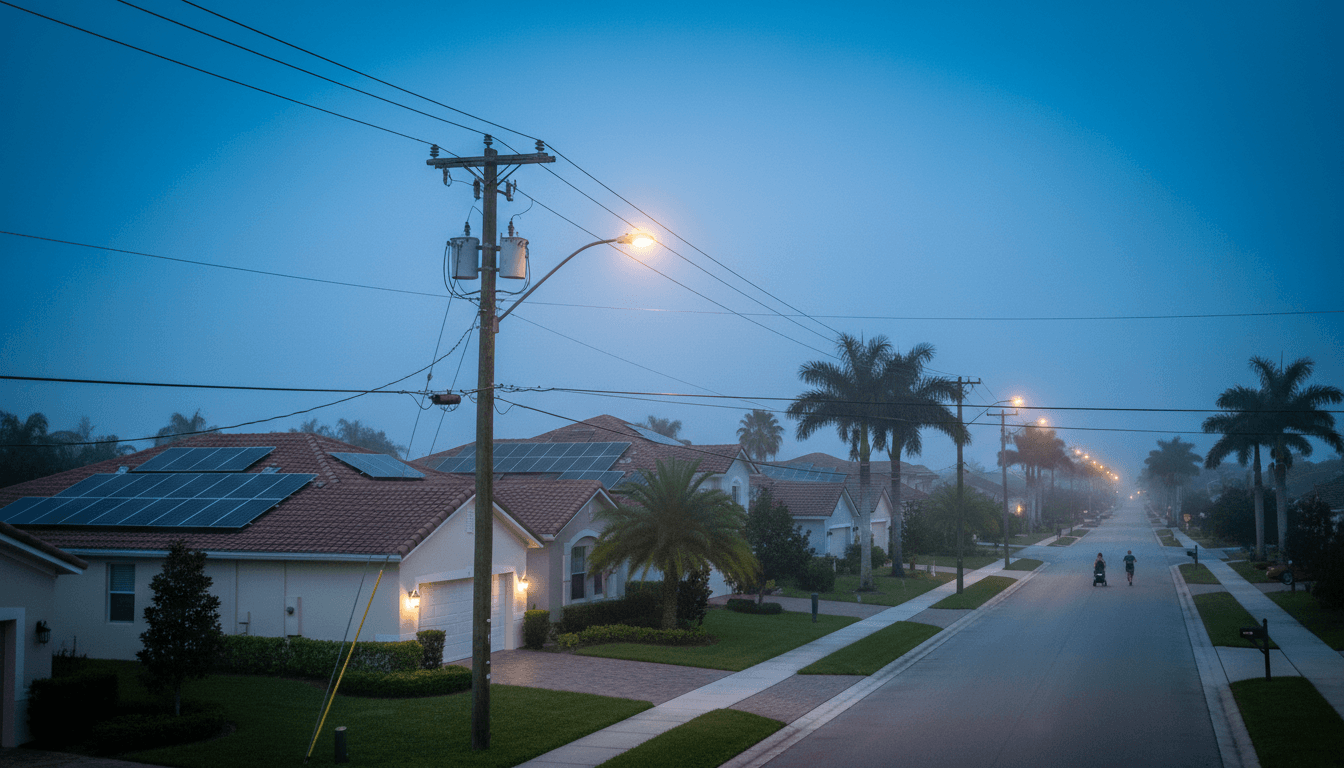
Florida’s solar surge has propelled the Sunshine State to third place nationwide in solar power generation, marking a significant milestone in the broader national shift towards renewable energy. This dramatic rise, reported on Wednesday, April 15, 2026, by The Invading Sea, underscores a powerful momentum building across the United States as states increasingly tap into their renewable potential.
The Story: A Sunshine State Transformation
The latest figures reveal Florida’s remarkable ascent in the solar power landscape. While traditionally known for its tourism and agriculture, the state is now rapidly becoming a powerhouse in renewable energy. This achievement positions Florida alongside established leaders in solar, demonstrating a successful pivot towards sustainable energy solutions. The specifics of the growth—including the number of installations, megawatts generated, or investment figures—were not detailed in the report, but the sheer ranking indicates substantial expansion and adoption of solar technologies across residential, commercial, and utility-scale projects.
This development is particularly noteworthy given Florida’s abundant sunshine, a natural resource that has long been underutilized for energy production. The state’s consistent high solar irradiance levels make it an ideal candidate for widespread solar adoption, and these new rankings suggest that the potential is finally being realized. The push for renewable energy initiatives is not just an environmental imperative but also an economic opportunity, fostering job creation and energy independence.
Impact Analysis: Broadening the Renewable Horizon
Florida’s solar surge carries significant implications for the broader environment and climate landscape. Its rise to third place signals a maturing renewable energy market in a state that is highly vulnerable to the impacts of climate change, such as sea-level rise and more intense hurricanes. Increased solar generation helps to displace fossil fuel-derived electricity, reducing greenhouse gas emissions and improving air quality.
The state’s success can serve as a powerful case study for other regions with high solar potential but lagging adoption rates. It demonstrates that with the right policies, incentives, and technological advancements, even large, rapidly growing states can make substantial progress in their energy transition. This shift contributes directly to national and global efforts to mitigate climate change and achieve carbon neutrality.
“Florida’s ascent in solar power isn’t just a state-level triumph; it’s a clear signal that renewable energy is becoming a mainstream, competitive force across diverse U.S. markets, including those previously dominated by traditional energy sources.”
Furthermore, the diversification of energy sources enhances grid resilience, a critical factor for a state frequently impacted by severe weather events. A distributed solar infrastructure, coupled with battery storage, can provide more reliable power during outages, reducing the vulnerability of communities.
Context & Background: A Shifting Energy Tide
The national surge in renewable energy, within which Florida’s solar surge is a prominent part, is a trend that has been gaining momentum for over a decade. Driven by decreasing costs of solar panels, technological advancements, and evolving regulatory frameworks, solar power has become increasingly competitive with traditional energy sources. Federal tax credits, state-level incentives, and growing public awareness of climate change have all contributed to this accelerating adoption.
Historically, states like California and Arizona have led the nation in solar capacity, leveraging their sunny climates and proactive policies. Florida’s recent leap indicates a significant investment and policy shift within the state, catching up and even surpassing many long-standing players. This broader national surge is also supported by increased corporate demand for renewable energy and the development of large-scale solar farms, which are driving down the levelized cost of electricity.
What’s Next: Sustaining the Solar Surge
Looking ahead, the challenge for Florida will be to sustain this impressive solar surge and integrate even more renewable energy into its grid. Future implications include potential expansions of utility-scale solar projects, further development of residential and commercial rooftop solar, and advancements in energy storage solutions. Policy decisions at both state and local levels will be crucial in determining the pace and scale of this continued growth.
Key areas for focus will likely include grid modernization to handle intermittent renewable energy, investment in smart grid technologies, and continued efforts to streamline permitting processes for solar installations. The state may also explore innovative financing mechanisms and community solar programs to broaden access to solar power. The ongoing national push for clean energy, including federal funding and initiatives, will undoubtedly continue to support Florida’s trajectory. Global climate targets will also pressure states to accelerate their renewable energy transitions.
Key Takeaway: Why This Matters
Florida’s solar surge to third place nationally is more than just a statistic; it represents a tangible shift in energy priorities and capabilities within a critical U.S. state. It underscores the undeniable momentum of renewable energy and its growing role in powering the economy and combating climate change. This achievement demonstrates that strategic investment and leveraging natural advantages can transform a state’s energy profile, setting a precedent for sustainable growth and resilience in an era of environmental challenges.