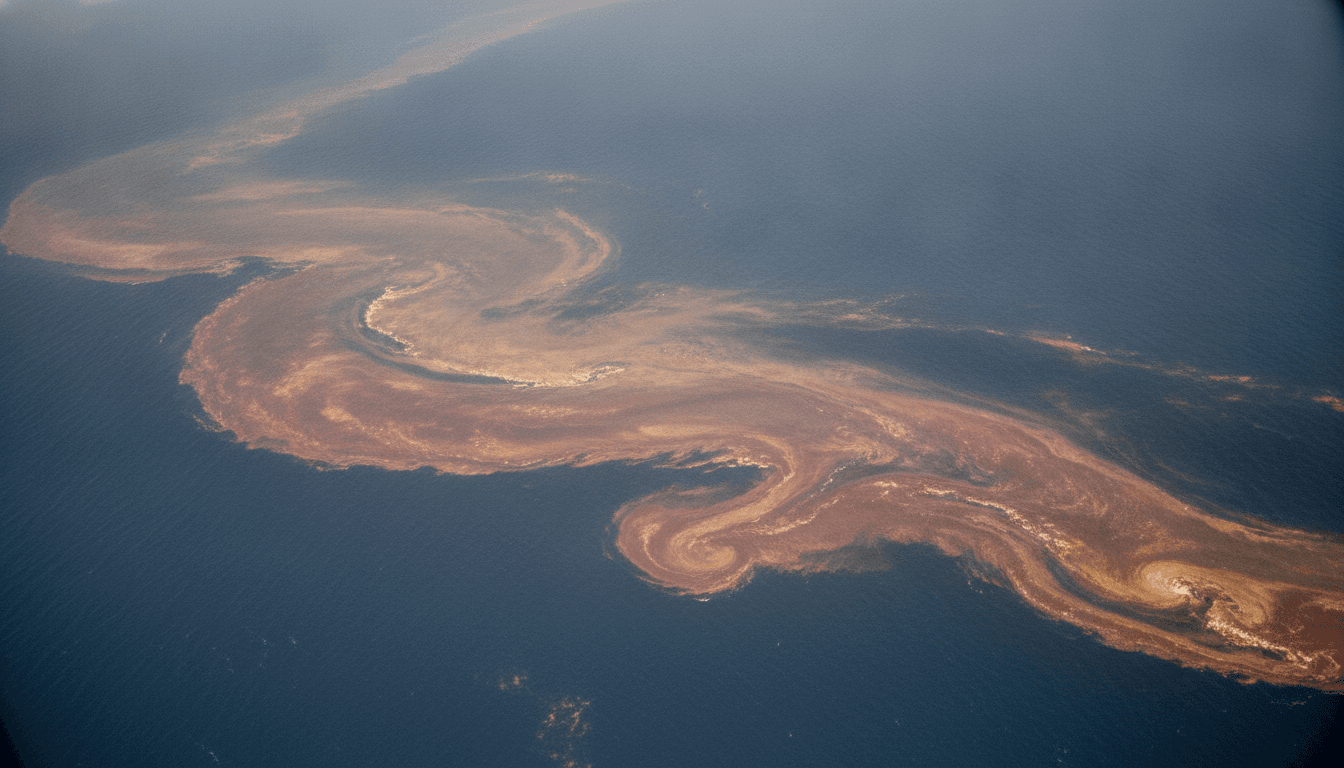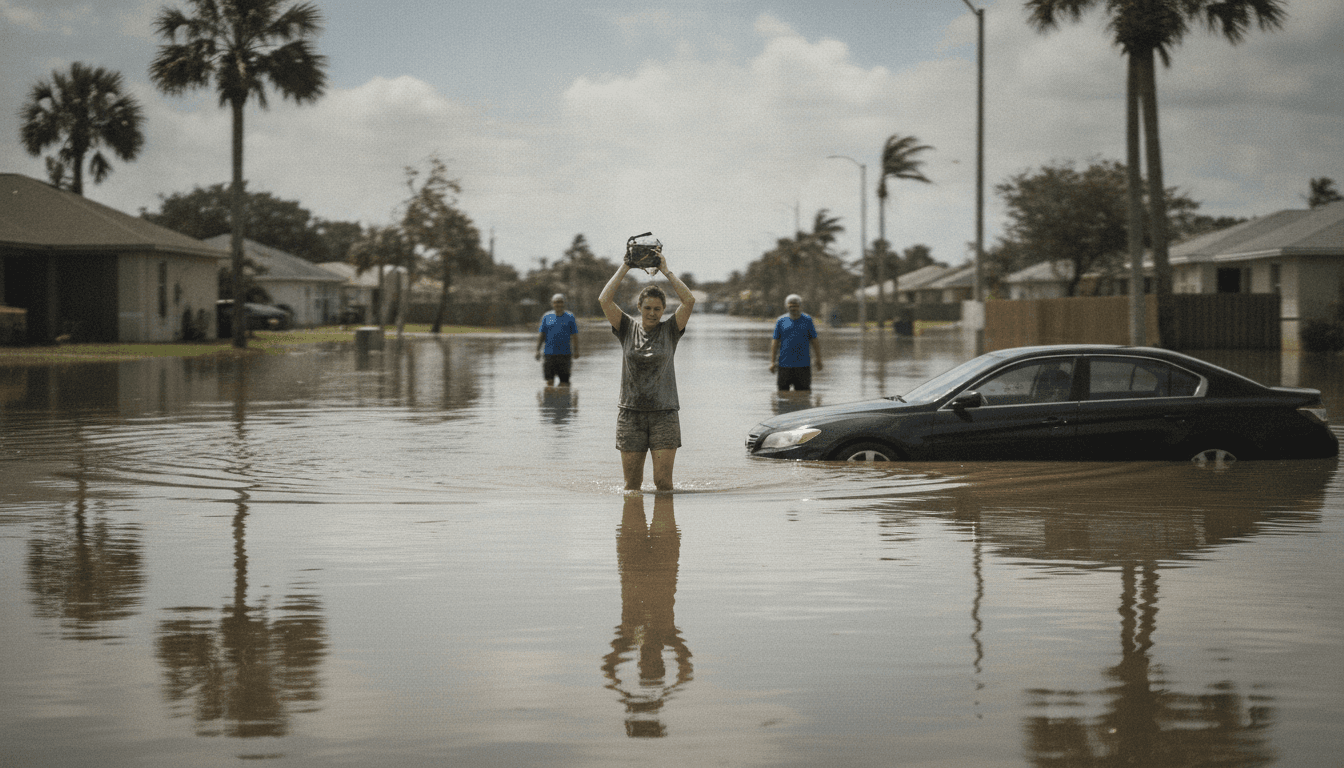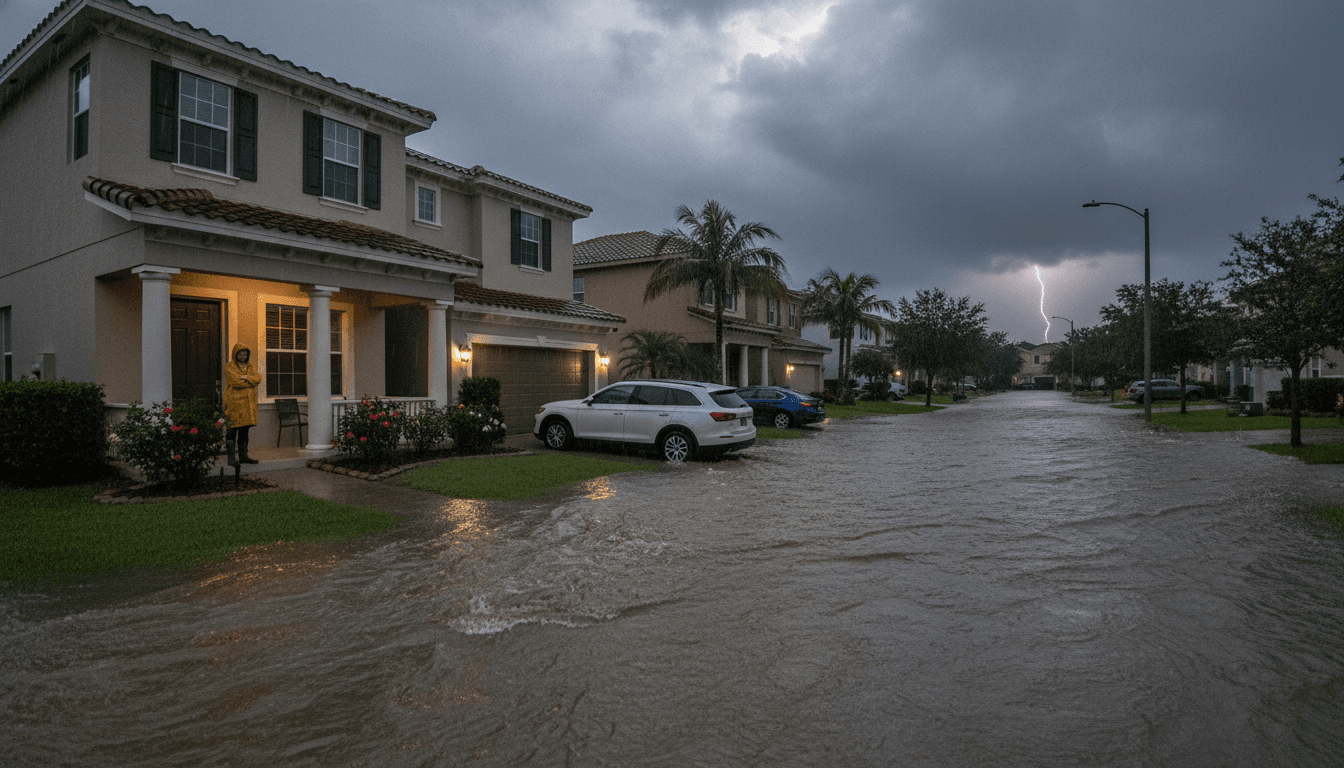
A significant Florida flash flood threat has emerged, ironically, in drought-stricken areas of the state, just days before the official kickoff of hurricane season. Tropical downpours, a characteristic feature of late spring weather systems, have triggered this sudden shift from parched conditions to potential inundation across parts of the Sunshine State, as reported on Thursday, May 28, 2026.
The Unfolding Florida Flash Flood Threat
The convergence of a prolonged drought and intense tropical downpours presents a unique and challenging scenario for Florida. Typically, the state braces for the hurricane season, which officially begins on June 1, with concerns about storm surge and heavy rainfall. However, this year, the immediate concern is the rapid onset of flash flooding in regions that have been experiencing significant water deficits. The ground, hardened by extended dry spells, struggles to absorb sudden, heavy rainfall, leading to increased runoff and localized flooding.
This development underscores the escalating volatility in weather patterns, with extremes becoming more frequent. While some areas of Florida have been grappling with the economic and environmental consequences of drought, including increased wildfire risks and agricultural strain, the sudden deluge introduces a new set of immediate hazards. Emergency services and local authorities are now shifting their focus from drought management to preparing for swift water rescues and managing road closures.
“The rapid transition from severe drought to flash flood conditions highlights the extreme variability we are increasingly witnessing in regional weather systems. It’s a stark reminder of the need for adaptable infrastructure and emergency response plans.”
The timing is particularly concerning as it precedes the official start of the Atlantic hurricane season, suggesting an early indication of potentially active weather. The saturated ground resulting from these downpours could exacerbate the impact of any subsequent tropical systems, increasing the risk of widespread and prolonged flooding later in the season. For businesses, this means potential disruptions to supply chains and operations, particularly in sectors dependent on reliable transportation and stable weather conditions. Related environment & climate articles on extreme weather events often explore these economic ramifications.
Context and Broader Implications
Florida’s susceptibility to both drought and flooding is not new, but the intensity and rapid succession of these events are becoming more pronounced. Historically, the state has experienced cycles of dry and wet seasons. However, climate models predict an increase in the frequency of extreme weather events, including more intense rainfall during wet periods and more severe droughts. This pattern is consistent with global climate trends, where a warmer atmosphere holds more moisture, leading to heavier precipitation events when conditions are right.
The current situation serves as a tangible example of these predictions materializing. The economic impact extends beyond immediate property damage. Agriculture, a cornerstone of Florida’s economy, faces a double-edged sword: crop losses from drought followed by potential damage from floods. The tourism industry, another vital sector, can also be affected by disruptions and negative perceptions of weather instability. Infrastructure, from roadways to drainage systems, is under increasing stress, necessitating significant investment in resilience and adaptation strategies. The Florida flash flood threat, therefore, represents a microcosm of larger climate challenges.
What’s Next for Florida’s Weather
As Florida approaches the official start of hurricane season on June 1, the immediate focus will be on monitoring the lingering effects of these tropical downpours and assessing the saturation levels of the ground. Meteorologists will be closely watching for the formation of any new tropical systems that could further compound the current flood risks. The National Weather Service will likely issue continued advisories and warnings, urging residents to remain vigilant and prepared for rapidly changing conditions.
In the medium term, state and local authorities will need to evaluate the effectiveness of current flood mitigation and drought management strategies. This event could serve as a catalyst for renewed discussions on infrastructure improvements, such as enhancing stormwater management systems and promoting water conservation practices. The insurance industry will also be closely watching, as claims related to both drought and flood damage could see an uptick, influencing future policy pricing and risk assessments. This ongoing Florida flash flood threat provides critical data points for future climate modeling.
Key Takeaway
The emergence of a significant Florida flash flood threat in areas recently battling drought underscores the escalating complexity and volatility of weather patterns driven by climate change. This rapid swing from one extreme to another presents immediate dangers and long-term challenges for Florida’s economy, infrastructure, and residents. It reinforces the urgent need for comprehensive climate resilience strategies that can address both water scarcity and excess, ensuring that the state is better prepared for a future defined by increasingly unpredictable environmental shifts. Our recent analysis delves deeper into regional climate adaptation efforts.