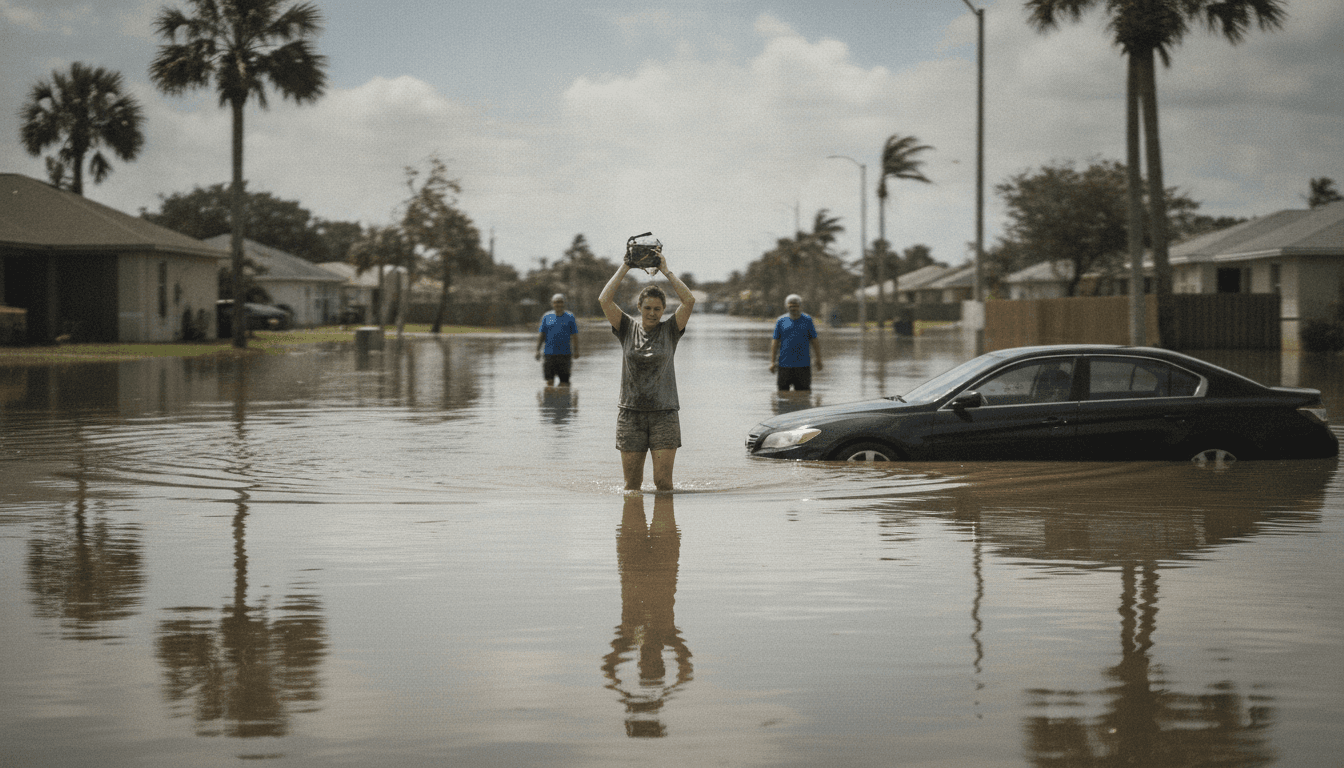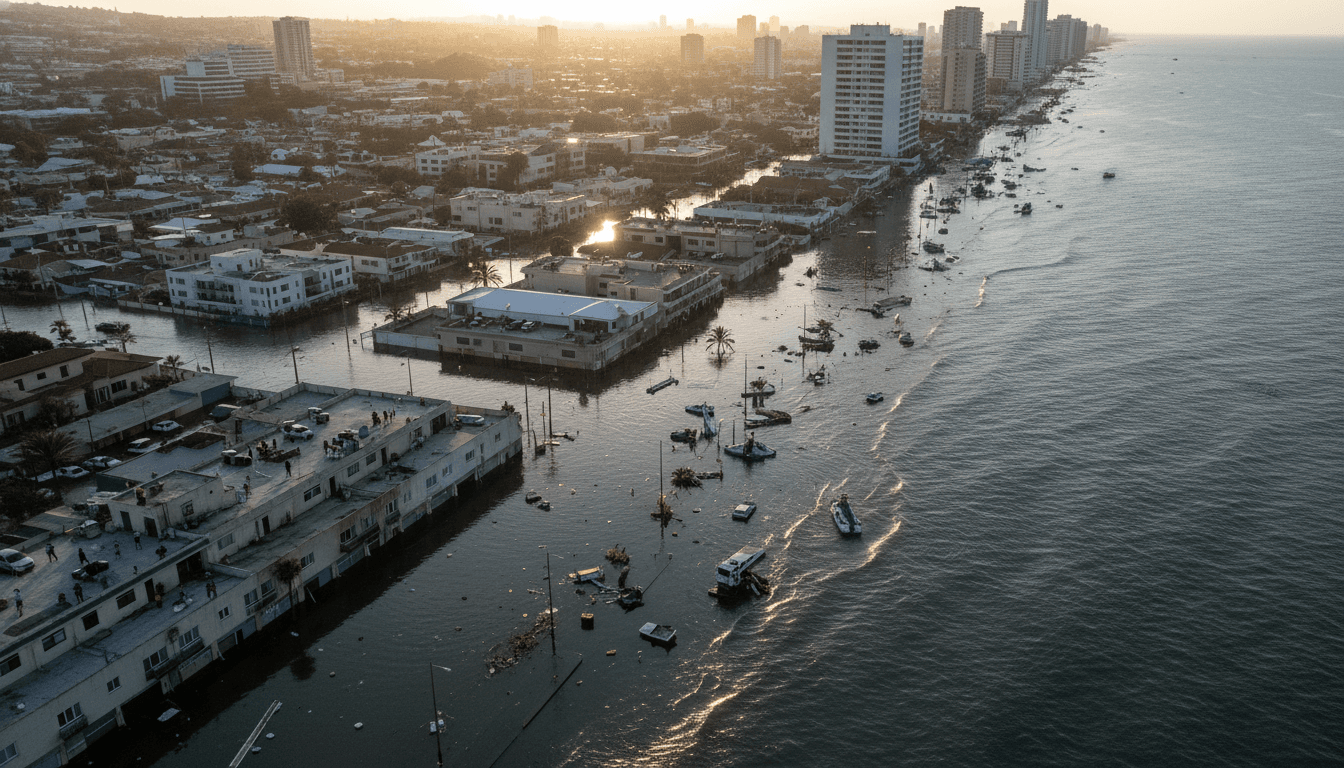
Rising sea levels will increase flood damage costs by an estimated $34 billion in the coming decades, a stark projection revealed in a report released on Saturday, April 25, 2026. This significant financial burden underscores the escalating economic consequences of climate change, particularly for coastal and low-lying regions globally.
The Growing Cost of Climate Change
The report details that the projected $34 billion increase in flood damage costs is directly attributable to the combined effects of climate change and rising sea levels. While the report does not specify particular geographies, the implication is a widespread impact across vulnerable coastlines and river basins. This financial escalation affects a broad spectrum of stakeholders, from individual homeowners and businesses to local governments responsible for infrastructure and emergency response. The economic model behind this projection likely considers factors such as property destruction, business interruption, agricultural losses, and the costs associated with disaster relief and rebuilding efforts. The figure highlights a pressing need for enhanced resilience measures and proactive adaptation strategies.
Impact Analysis: Broadening Environmental and Climate Costs
This projected increase in flood damage costs by $34 billion represents more than just a financial figure; it signifies a deepening crisis in the broader environment and climate landscape. The report’s findings will likely accelerate discussions around climate adaptation funding and the urgency of emissions reduction. As sea levels continue their upward trend, driven by thermal expansion of ocean water and melting glaciers, the frequency and intensity of coastal flooding events are expected to grow. This, in turn, amplifies the risk of saltwater intrusion into freshwater sources, degradation of coastal ecosystems like wetlands and mangroves, and displacement of communities. The economic impact extends beyond direct damage, influencing insurance markets, property values, and long-term investment decisions in at-risk areas. For more insights on financial implications of environmental shifts, explore our related environment & climate articles.
“The $34 billion increase in flood damage costs serves as a crucial economic indicator of climate change’s accelerating impact, demanding immediate and sustained investment in resilience.”
Context & Background: A Shifting Climate Paradigm
The latest report’s projection of increased flood damage costs aligns with a growing body of scientific evidence and previous analyses highlighting the escalating financial risks associated with climate change. Over the past decade, there has been a noticeable trend of increasing insurance claims related to weather-induced disasters, with flooding consistently being one of the most costly events. Governments and international bodies have gradually shifted their focus from solely mitigation to also emphasizing adaptation, recognizing that some level of climate impact is now unavoidable. Industry trends indicate a rise in ‘green’ bonds and climate-resilient infrastructure investments, though the scale of these efforts still lags behind the projected needs. This report adds further weight to calls for more robust policy frameworks and cross-sector collaboration to address the multifaceted challenges posed by rising sea levels and increased flood damage costs.
What’s Next: Navigating a More Costly Future
Looking ahead, the implications of this report are significant. Future decisions by policymakers, urban planners, and the financial sector will undoubtedly be influenced by the prospect of rising flood damage costs. Expect increased pressure on governments to invest in protective infrastructure such as sea walls, improved drainage systems, and nature-based solutions like restored wetlands. Insurance companies may revise premiums for properties in high-risk zones, potentially leading to shifts in real estate markets. Furthermore, the report will likely fuel ongoing international climate negotiations, emphasizing the need for greater financial support for developing nations disproportionately affected by rising sea levels. Businesses with operations in vulnerable coastal areas will need to reassess their supply chain resilience and business continuity plans. The projected $34 billion rise in flood damage costs is not a distant threat but a near-term reality that demands immediate strategic responses.
Key Takeaway: The Unavoidable Price of Inaction
The report’s finding that rising sea levels will increase flood damage costs by $34 billion in the coming decades is a stark reminder of the tangible and escalating economic price of climate inaction. This figure underscores that climate change is not merely an environmental issue but a profound economic challenge that will reshape financial landscapes, urban planning, and global development strategies. Proactive investment in resilience and aggressive decarbonization efforts are no longer options but economic imperatives to mitigate the far-reaching consequences of a warming planet and its inevitable impact on our coasts and communities.