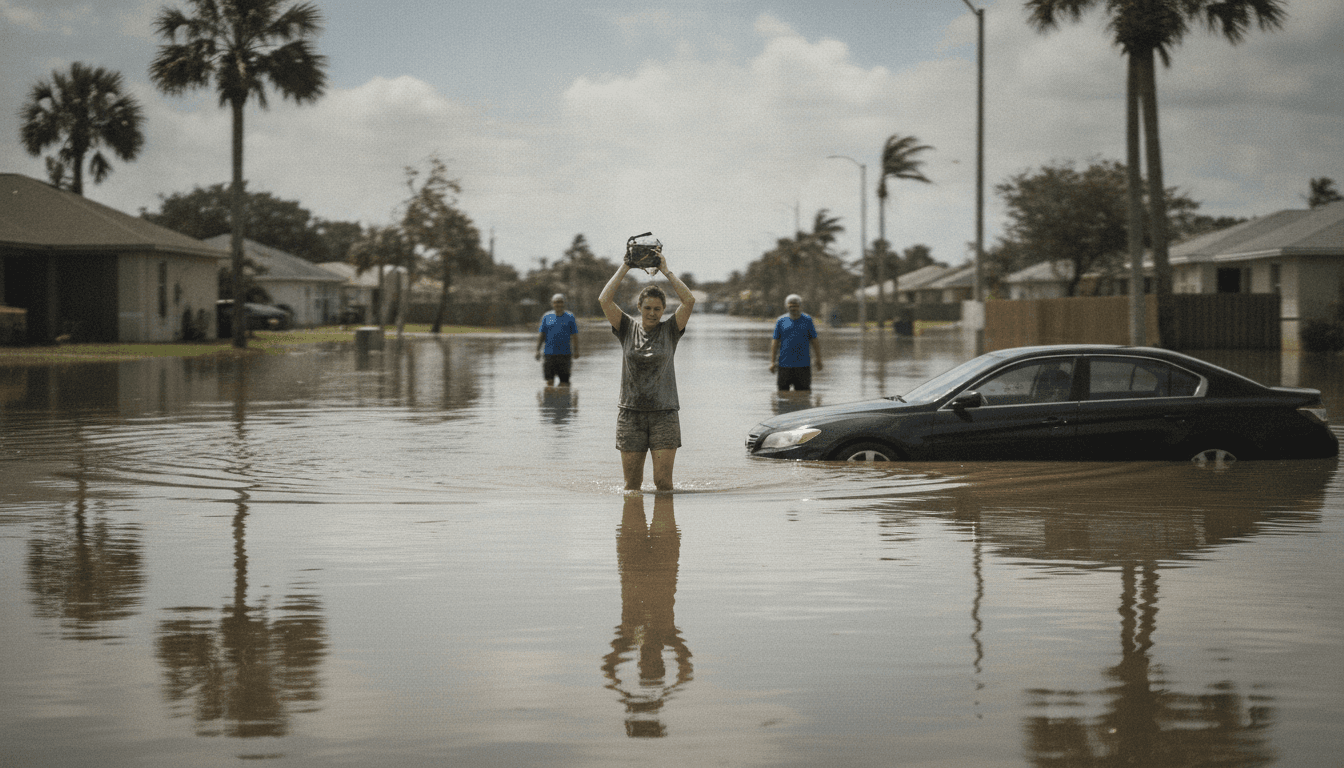
Federal flood insurance carries dual moral hazards, a critical issue highlighted as hurricane season commences on June 1, 2026. This complex system, designed to provide a safety net against the devastating financial impacts of flooding, inadvertently creates two distinct dilemmas, with their manifestation largely dependent on an individual’s socioeconomic status.
The National Flood Insurance Program (NFIP), administered by the Federal Emergency Management Agency (FEMA), is the primary source of flood insurance for properties in the United States. As coastal communities and riverine areas increasingly face the brunt of more intense and frequent weather events, the program’s inherent challenges become more pronounced. The moral hazards stem from the fundamental design of insurance, where the insured party might alter their behavior due to the presence of coverage. In the context of flood insurance, this translates into different behaviors for the wealthy and the less affluent.
Understanding Federal Flood Insurance’s Dual Moral Hazards
For wealthier property owners, the moral hazard often manifests as a disincentive to invest in robust flood mitigation measures. Knowing that federal flood insurance will cover a significant portion of rebuilding costs, there can be a reduced impetus to elevate structures, install flood barriers, or relocate from high-risk zones. This phenomenon can lead to repeated claims on the NFIP, effectively subsidizing continued occupation of vulnerable areas. The financial capacity to rebuild, coupled with the insurance backstop, can foster a cycle of repair and re-exposure to risk, rather than proactive adaptation.
Conversely, for lower-income households, the moral hazard presents a different, yet equally problematic, face. These individuals often lack the financial resources to relocate from flood-prone areas or to afford significant upfront investments in floodproofing, even with insurance coverage. The ‘hazard’ here is not necessarily a deliberate behavioral change post-insurance, but rather a structural vulnerability exacerbated by the system. Without sufficient funds to move or mitigate, they are often forced to rebuild in the same hazardous locations, relying on insurance to merely restore their previous, precarious situation. This creates a dependency on federal aid and a perpetuation of their exposure to future disasters, trapping them in a cycle of vulnerability.
“The differential impact of federal flood insurance on varying income brackets underscores a systemic challenge in climate adaptation, where policy mechanisms can inadvertently deepen inequalities rather than alleviate them.”
This dual nature of the moral hazard poses significant questions for the future of climate resilience and equitable disaster recovery. The NFIP, originally conceived to provide affordable insurance and encourage sound floodplain management, is increasingly strained by the realities of a changing climate. Its financial solvency has been a recurring concern, often requiring congressional bailouts, indicating that the current model is unsustainable in the long term. Related environment & climate articles frequently highlight the escalating costs of disaster relief and the need for more robust, equitable solutions.
Context and Background: A Shifting Climate Landscape
The challenges facing federal flood insurance are not new, but they are intensifying with the accelerating pace of climate change. Historical context reveals that the NFIP was established in 1968, largely in response to the private insurance market’s withdrawal from flood risk coverage after severe floods in the 1960s. The program aimed to reduce the financial burden on taxpayers by promoting floodplain management and providing insurance. However, the initial actuarial models did not fully account for the scale of future climate impacts, leading to underpriced premiums in many high-risk areas, particularly for older properties. This underpricing has contributed to the program’s debt and the persistence of the moral hazard.
Recent years have seen a series of devastating hurricane seasons, underscoring the urgency of reforming the NFIP. From Hurricane Katrina in 2005 to more recent storms like Hurricane Ian in 2022, the financial toll of flooding has been immense. These events have not only highlighted the program’s financial fragility but also the profound social inequities in recovery. Wealthier communities often rebuild faster and with greater resilience, while lower-income communities struggle for years, sometimes decades, to recover. This disparity is directly linked to the differing ways the moral hazards of federal flood insurance play out across socioeconomic lines.
What’s Next: Navigating Reform and Resilience
Looking ahead, the discussion around federal flood insurance reform is critical. Policymakers face the complex task of balancing affordability for homeowners with the need for actuarially sound rates that reflect true risk. One ongoing effort, known as Risk Rating 2.0, aims to modernize the NFIP’s pricing methodology to better reflect individual property flood risk, moving away from broad flood zone designations. While intended to create more equitable pricing and incentivize mitigation, concerns remain about its impact on affordability for vulnerable populations.
Future implications include the potential for increased calls for managed retreat from the most hazardous coastal areas, coupled with significant investment in community-wide resilience infrastructure. Decisions regarding federal funding for disaster preparedness and recovery will also be pivotal. The interplay between climate science, economic policy, and social equity will dictate the trajectory of these reforms. Expect continued debate over the role of federal subsidies versus market-based approaches in managing flood risk, and how best to protect the most vulnerable without perpetuating unsustainable development in high-risk zones.
The dual moral hazards of federal flood insurance represent a microcosm of the broader challenges in adapting to a changing climate. Addressing these hazards requires not just technical adjustments to insurance models, but a comprehensive approach that integrates social equity, sustainable land use planning, and significant investment in climate resilience. The future success of the NFIP and the protection of communities hinge on a nuanced understanding of these complexities and a commitment to equitable and forward-thinking solutions.