Egypt renewables surge is set to dramatically reshape the nation’s energy landscape, with an additional 1.5GW of renewable capacity coming online by 2025, driven primarily by solar and wind projects. This ambitious expansion underscores Egypt’s accelerating commitment to clean energy and its pivotal role in the global transition away from fossil fuels.
The Story: Driving Egypt’s Green Transition
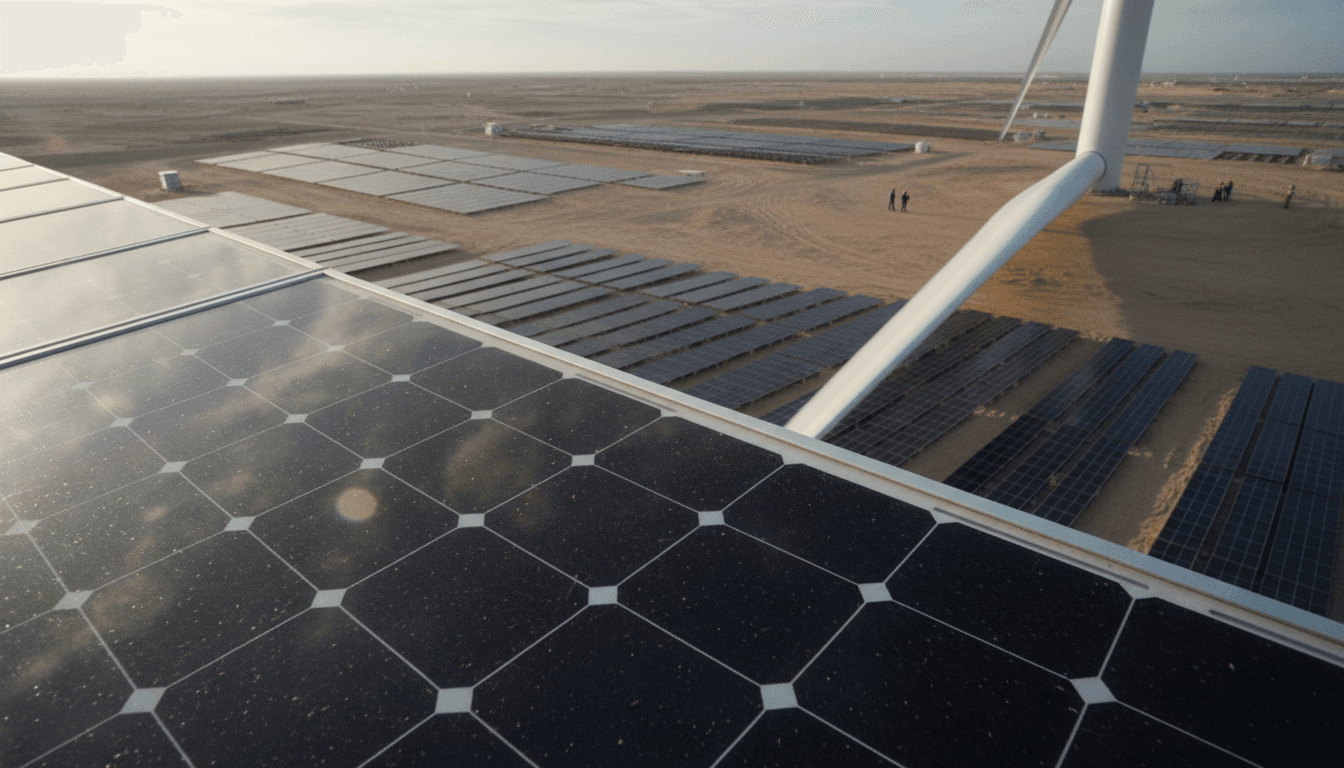
The announcement, reported by Utilities Middle East on Wednesday, April 8, 2026, details a significant boost to Egypt’s clean energy portfolio. The 1.5GW addition represents a substantial increase in the country’s generation capacity from sustainable sources, positioning Egypt as a key player in the Middle East and Africa’s renewable energy sector. The focus on solar and wind technologies highlights the strategic utilization of Egypt’s abundant natural resources – its vast deserts providing ideal conditions for solar farms and its coastal regions offering strong wind corridors. This development is not merely about capacity addition; it signifies a broader governmental and industrial shift towards a greener economy, attracting investment and fostering technological advancements within the country.
“This 1.5GW addition is a testament to Egypt’s strategic vision for energy independence and sustainable growth, leveraging its natural endowments to power its future.”
Impact Analysis: A Greener Future for Egypt
The injection of 1.5GW into Egypt’s grid by 2025 will have profound implications for its energy security, environmental footprint, and economic development. Environmentally, it will lead to a significant reduction in greenhouse gas emissions, helping Egypt meet its climate targets and contributing to global efforts to combat climate change. Economically, the expansion of renewable energy infrastructure creates jobs, stimulates local industries, and reduces reliance on volatile international fossil fuel markets, thereby enhancing national energy resilience. Furthermore, the increased share of renewables can stabilize electricity prices for consumers and businesses, fostering a more predictable economic environment. This shift towards sustainable energy also positions Egypt as an attractive destination for green investments, aligning with global ESG (Environmental, Social, and Governance) trends.
Context & Background: A Legacy of Renewable Ambition
Egypt’s journey towards a renewable energy future is not new. The country has steadily been building its clean energy capacity, with landmark projects like the Benban Solar Park already showcasing its potential. This latest announcement builds upon a foundation of strategic planning and policy support aimed at diversifying the energy mix. Historically, Egypt has been heavily reliant on natural gas, but recognizing the imperative for sustainable development and energy diversification, it has set ambitious targets for renewable energy penetration. Industry trends globally indicate a clear move towards decentralized and cleaner energy systems, and Egypt is keenly aligning itself with these transformations, often supported by international partnerships and financing for its large-scale projects.
What’s Next: Sustaining the Momentum
Looking ahead, the successful integration of this 1.5GW will be crucial. This involves not only the physical construction of solar and wind farms but also the development of smart grid technologies, energy storage solutions, and robust transmission infrastructure to handle the intermittent nature of renewables. Further policy refinements, investment incentives, and capacity building will be essential to sustain this momentum beyond 2025. There is an expectation of continued private sector involvement and international collaboration, as Egypt aims to become a regional hub for renewable energy generation and export. Future decisions will likely focus on expanding energy storage capabilities and exploring green hydrogen production, leveraging the country’s abundant renewable resources for a new export commodity. The drive for Egypt renewables surge is a long-term strategy.
This substantial boost in Egypt renewables surge capacity by 2025 is a clear signal of the nation’s unwavering commitment to a sustainable energy future. It demonstrates how strategic investment in solar and wind power can not only address national energy needs but also contribute significantly to global climate action and economic development. As the world grapples with the challenges of climate change and energy security, Egypt’s proactive approach offers a compelling blueprint for other developing nations.