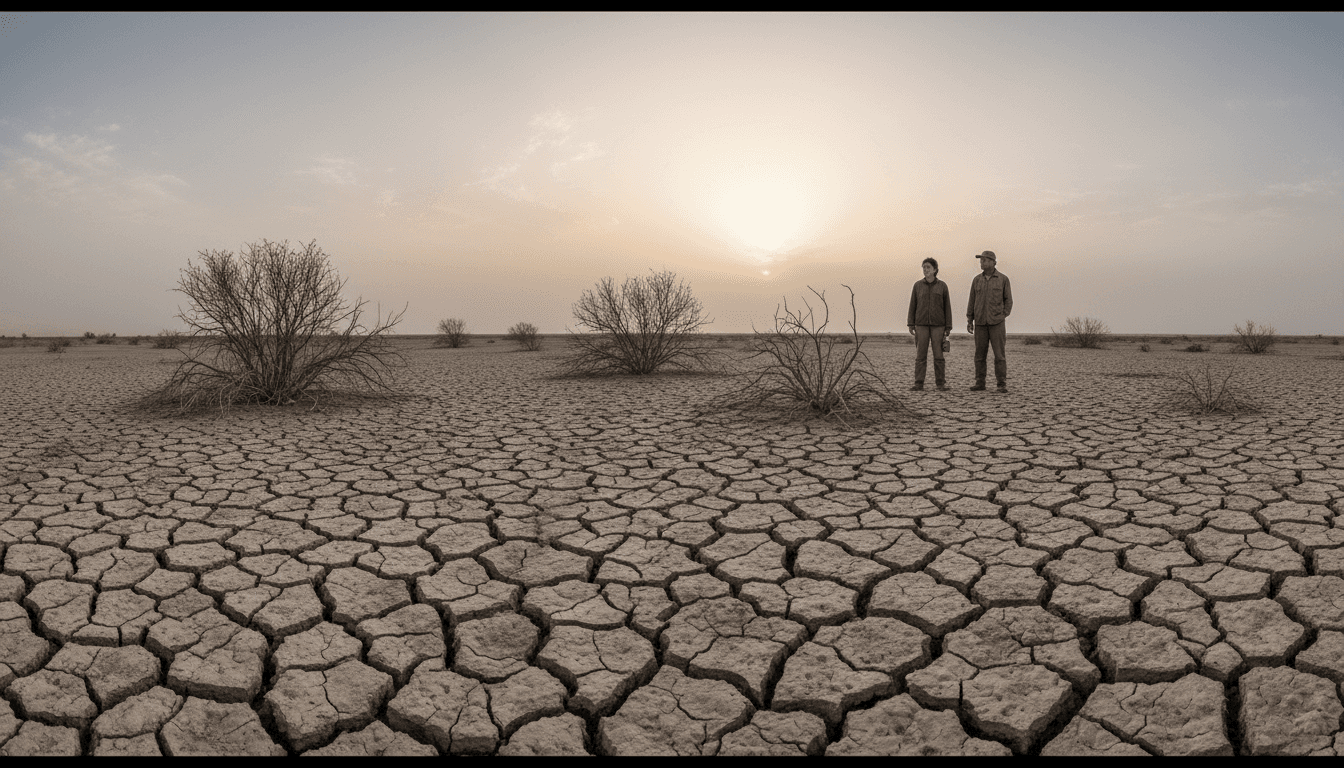
The danger season of extreme weather has officially arrived, marked by widespread drought conditions and the impending influence of El Niño, as reported by the Union of Concerned Scientists on Thursday, May 14, 2026. This confluence of environmental factors heralds a period of heightened risk for communities and ecosystems globally, amplifying concerns about water scarcity, agricultural disruption, and the intensity of future weather events.
The Union of Concerned Scientists, a prominent organization dedicated to science-based solutions, issued the alert, emphasizing the immediate challenges posed by the current meteorological landscape. Their analysis points to an environment already stressed by prolonged drought across multiple regions, now facing the added complexity of a looming El Niño. This climatic pattern, characterized by warmer-than-average sea surface temperatures in the central and eastern tropical Pacific Ocean, typically alters global weather patterns, often leading to increased rainfall in some areas and severe drought in others. The timing of its arrival, coinciding with existing drought, creates a particularly precarious situation.
Impact Analysis of the Danger Season
The convergence of widespread drought and the anticipated El Niño carries significant implications for the broader environment and climate landscape. Drought conditions, already impacting agriculture, water resources, and wildfire risk, are expected to be either exacerbated or shifted by El Niño’s influence. While some drought-stricken areas might receive much-needed precipitation, others could see their dry spells intensify, creating a mosaic of localized crises. This variability makes planning and resource allocation exceptionally challenging for governments and emergency services.
“The simultaneous presence of widespread drought and a looming El Niño creates a compounding risk, demanding urgent attention to climate resilience and adaptation strategies.”
The agricultural sector, a cornerstone of many economies, stands to face severe disruption. Crop yields can be drastically reduced by prolonged dry periods or excessive, unseasonal rainfall, leading to food insecurity and commodity price volatility. Water management systems will be pushed to their limits, particularly in regions already grappling with depleted reservoirs and groundwater sources. Furthermore, the risk of wildfires, already elevated by drought, could escalate in areas experiencing drier El Niño patterns, threatening property, human lives, and natural habitats.
Historical Context and Future Projections
The current scenario is not isolated but builds upon a trend of increasing extreme weather events observed over recent decades. Climate change has been identified as a significant driver, intensifying the frequency and severity of phenomena like droughts, heatwaves, and heavy precipitation events. Previous El Niño cycles have provided valuable, albeit often harsh, lessons in preparedness and response. However, the unique characteristic of this period is the pre-existing widespread drought, which provides a less resilient starting point for the impending climatic shifts.
Industry trends indicate a growing focus on climate adaptation and mitigation, but the pace of implementation often lags behind the accelerating impacts. Investments in drought-resistant crops, water conservation technologies, and early warning systems are becoming more critical. The scientific community continues to refine its predictive models, offering increasingly precise forecasts for El Niño’s regional effects, which are vital for proactive planning.
What’s Next for Global Weather Patterns
The immediate future will involve close monitoring of El Niño’s development and its interaction with existing drought conditions. Government agencies, scientific institutions, and relief organizations will be working to update forecasts and prepare for potential emergencies. Decisions regarding water rationing, agricultural subsidies, and disaster preparedness funding are likely to be at the forefront of policy discussions. Communities in vulnerable regions will need to prioritize water conservation and implement local resilience measures.
Predictions suggest that the coming months will be crucial in determining the full scope of this danger season. The interplay between global climate patterns and localized weather systems will dictate whether existing droughts intensify or are alleviated, and where new environmental challenges emerge. The long-term implications underscore the urgent need for sustained efforts in climate change mitigation to reduce the frequency and intensity of such extreme weather events in the future.
Key Takeaway: The Urgency of Resilience
The arrival of this danger season, characterized by widespread drought and the looming El Niño, serves as a stark reminder of the escalating environmental challenges facing the world. It highlights the critical importance of building resilient societies capable of adapting to and mitigating the impacts of a changing climate. Proactive measures, informed by scientific understanding and collaborative action, are essential to navigate this period of heightened risk and safeguard both human well-being and ecological stability.