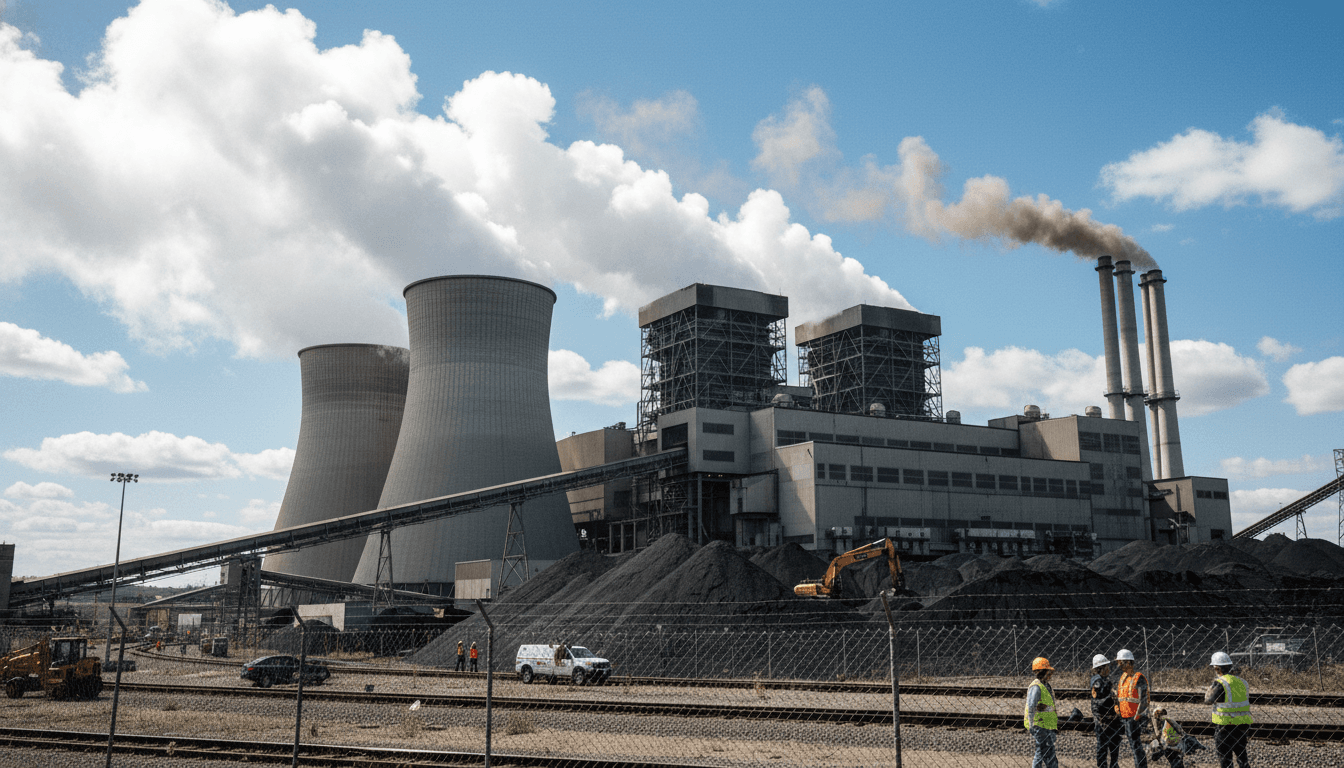
A notable coal power preference continues to challenge the global transition to renewable energy sources, as highlighted in a recent CleanTechnica report published on Sunday, June 7, 2026. This persistent inclination towards fossil fuels, despite the growing availability and falling costs of solar and wind technologies, underscores complex economic, social, and political dynamics that impede climate action.
The Enduring Appeal of Fossil Fuels
The CleanTechnica article delves into the perplexing question of why certain regions or stakeholders might still favor coal-fired power plants over seemingly more advantageous solar and wind alternatives. While the specific actors and locations are not detailed in the provided source, the implication is a broad, global phenomenon where entrenched interests, infrastructure, and energy security concerns often outweigh environmental imperatives and long-term cost benefits of renewables.
The core of the issue lies in the perception of reliability and existing investment. Coal power plants, for decades, have been the backbone of electricity grids in many nations, offering a consistent, dispatchable power supply that is not dependent on intermittent factors like sunlight or wind. This perceived stability, even with its significant environmental cost, remains a powerful draw for policymakers and grid operators facing the immediate challenge of keeping lights on and industries running.
Impact Analysis: Slowing the Energy Transition
The continued coal power preference has profound implications for the broader environment and climate landscape. It directly obstructs efforts to meet global carbon reduction targets, such as those outlined in the Paris Agreement. Each new coal plant or extended lifespan of an existing one locks in decades of greenhouse gas emissions, exacerbating climate change and its associated impacts, including extreme weather events, sea-level rise, and biodiversity loss. From an economic perspective, this preference risks creating stranded assets as carbon pricing mechanisms become more widespread and renewable energy costs continue to decline, potentially leaving nations with expensive, obsolete infrastructure.
“The enduring preference for coal power highlights a critical friction point between immediate energy security concerns and the urgent need for long-term climate action. Overcoming this will require more than just technological solutions; it demands a fundamental shift in economic and political calculus.”
Furthermore, it slows the pace of innovation and investment in renewable energy sectors. If capital continues to flow into fossil fuel projects, the scale-up of green technologies, which is crucial for achieving energy independence and creating green jobs, will be hampered. This also affects international climate finance, as donor countries and institutions are increasingly scrutinizing investments in fossil fuel infrastructure.
Context & Background: A Legacy of Carbon
The historical context of energy production heavily favors fossil fuels. For over a century, coal, oil, and natural gas have powered industrialization and economic growth. The infrastructure — mines, power plants, transmission lines — represents massive past investments and provides a significant number of jobs, creating powerful lobbies and political resistance to change. Developing nations, in particular, often cite the historical emissions of industrialized countries and the lower upfront costs of coal as justifications for continued reliance on it, striving for economic growth akin to their developed counterparts.
Even as the cost of solar and wind power has plummeted, making them competitive with, and often cheaper than, new fossil fuel plants, the intermittency challenge remains a perceived hurdle. While battery storage and smart grid technologies are rapidly advancing to address this, the transition requires significant systemic upgrades and policy frameworks that are not universally in place. This complex interplay of historical reliance, economic considerations, and technological transition explains the lingering coal power preference.
What’s Next: Navigating the Transition
Looking ahead, the tension between maintaining existing energy systems and accelerating the clean energy transition will intensify. Future implications will likely involve increased pressure from international bodies and climate activists on nations that continue to invest heavily in coal. We can expect to see more innovative financing mechanisms aimed at decommissioning coal plants and supporting renewable energy projects, particularly in developing economies. Policy decisions around carbon taxes, emissions trading schemes, and renewable energy mandates will be critical in shifting the balance. The ongoing technological advancements in energy storage and grid modernization will also play a pivotal role in making intermittent renewables more attractive and reliable, gradually eroding the arguments for coal power preference.
Key Takeaway: The Complexities of Decarbonization
The continued debate around a coal power preference underscores the profound complexities inherent in global decarbonization efforts. It is not merely a matter of technological capability or economic viability; it is deeply intertwined with national energy security, existing infrastructure, employment, and political will. Addressing this requires a multi-faceted approach that combines technological innovation, robust policy frameworks, and significant international cooperation to ensure a just and equitable transition away from fossil fuels. The path to a truly sustainable energy future demands a comprehensive understanding of these underlying preferences and dedicated strategies to overcome them.