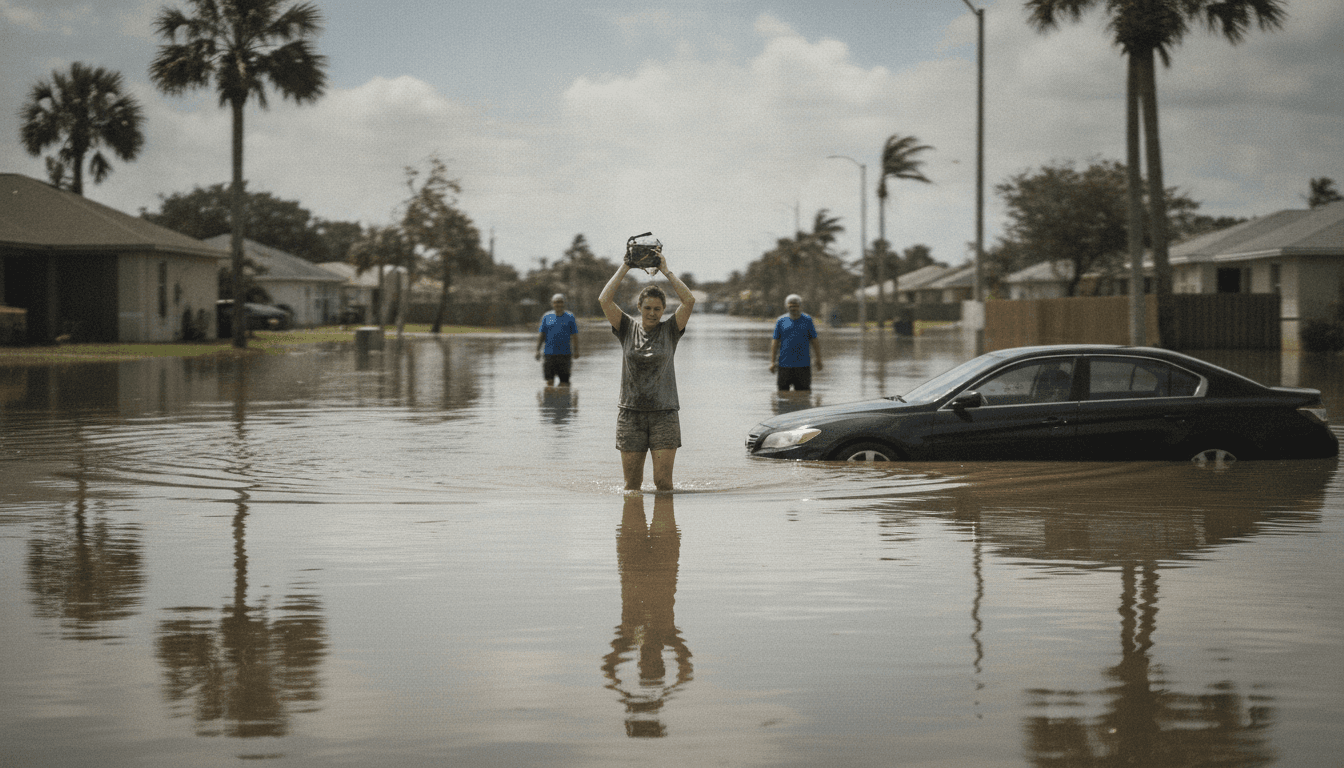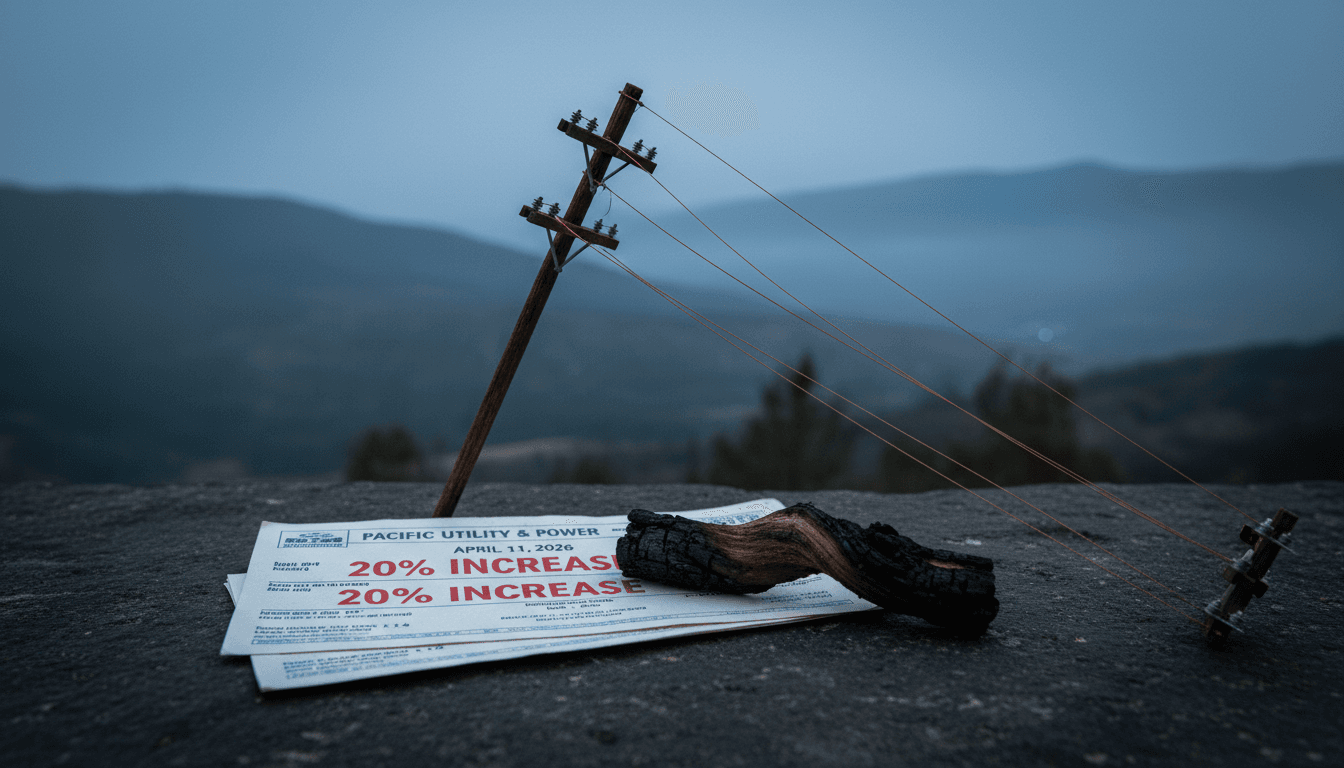
Stunning climateflation is hitting California residents hard, with utility bills increasing by an average of 20% directly attributable to the escalating costs of wildfire prevention and response. This dramatic surge, reported on Saturday, April 11, 2026, by The Mercury News, highlights the tangible and immediate financial burden being placed on consumers as the state grapples with the intensifying impacts of a changing climate.
The increase in utility bills is a direct consequence of the massive investments made by California’s energy providers to harden infrastructure against wildfires, clear vegetation, and cover the liabilities associated with past fire events. These costs, deemed necessary to ensure public safety and maintain grid reliability in an era of prolonged drought and extreme heat, are ultimately passed on to ratepayers. The 20% hike represents a significant blow to household budgets, particularly for low-income families already struggling with the high cost of living in California.
The Story: California’s Wildfire Economic Burden
The core of this financial burden lies with the state’s major utility companies, though specific entities were not named in the report. These companies are mandated to provide safe and reliable energy, a task made exponentially more complex and expensive by the persistent threat of wildfires. The measures undertaken range from extensive tree trimming and vegetation management programs around power lines to the deployment of advanced wildfire detection technologies and the undergrounding of overhead infrastructure in high-risk areas. Each of these initiatives, while critical for preventing devastating fires, comes with a hefty price tag.
The financial implications extend beyond proactive measures. Utilities also face substantial legal and financial liabilities from fires sparked by their equipment, even when efforts have been made to mitigate risks. Settlements, fines, and the costs of rebuilding infrastructure in affected areas further contribute to the rising operational expenses that eventually find their way into consumer bills. This cycle of fire, prevention, and cost recovery creates a feedback loop where the increasing frequency and intensity of wildfires directly translate into higher electricity and gas prices for millions of Californians.
“The direct link between climate change-driven wildfires and household utility expenses is a stark reminder that the cost of inaction on climate is not just environmental, but profoundly economic.”
Impact Analysis: Broadening Climateflation Concerns
This situation in California is a potent example of what economists and climate experts are increasingly calling ‘climateflation’ – the inflationary pressure exerted by climate change impacts. It’s a phenomenon where the physical risks and transition costs associated with a warming planet translate into higher prices for goods and services, affecting everything from insurance premiums to food costs and, as seen here, essential utility services. The 20% increase in California utility bills due to wildfires is not an isolated incident but a bellwether for similar pressures likely to emerge in other climate-vulnerable regions globally.
For the broader environment & climate landscape, this development underscores the urgent need for comprehensive climate adaptation and mitigation strategies that go beyond just environmental protection. It highlights the economic imperative of building resilience into critical infrastructure and developing financial mechanisms to absorb these rising costs without disproportionately burdening consumers. The California experience serves as a case study for how climate risks are transitioning from abstract future threats to immediate, tangible financial realities for households and businesses.
Context & Background: A Decade of Fire and Financial Strain
California has been at the forefront of the climate crisis, experiencing increasingly severe and frequent wildfire seasons over the past decade. Historic droughts, exacerbated by rising temperatures, have turned vast swaths of the state into tinderboxes. Major utilities have faced intense scrutiny and financial distress following devastating fires, leading to bankruptcies and significant regulatory shifts. The current rate hikes are a culmination of years of escalating costs, regulatory mandates for safety improvements, and the ongoing need to adapt to a ‘new normal’ of wildfire risk.
This trend is not unique to California; utilities in other fire-prone regions, both in the U.S. and internationally, are grappling with similar challenges. The financial markets are also increasingly pricing in climate risk, with utilities in vulnerable areas facing higher borrowing costs and greater pressure from investors to demonstrate robust climate resilience plans. The 20% utility bill increase is a direct manifestation of these systemic shifts, reflecting the deep integration of climate risk into the operational and financial models of essential service providers.
What’s Next: Navigating Future Costs and Policies
Looking ahead, the trajectory of California utility bills will largely depend on the state’s ability to manage its wildfire crisis and the regulatory framework that governs cost recovery for utilities. Continued investment in grid hardening, advanced fire prevention technologies, and potentially controversial strategies like managed power shutoffs during high-risk periods will remain critical. The discussion will inevitably shift towards how these costs can be distributed more equitably, exploring options such as state-backed insurance pools, climate resilience bonds, or direct government subsidies to offset the burden on ratepayers.
Furthermore, the focus will intensify on accelerating the transition to renewable energy sources and decentralized grids, which could potentially reduce reliance on vulnerable transmission lines and offer greater energy independence at the community level. Policy decisions made in the coming years regarding utility rate structures, climate adaptation funding, and land management practices will determine whether the upward trend in utility bills due to climateflation can be mitigated or if Californians will face even higher costs in the future.
Key Takeaway: The Unavoidable Price of Climate Change
The 20% hike in California utility bills due to wildfires is a powerful and undeniable indicator that the financial costs of climate change are no longer hypothetical. This direct increase in household expenses demonstrates how environmental degradation translates into economic hardship, impacting the daily lives of millions. It serves as a critical reminder that while the discussions around climate change often focus on environmental impacts, the economic ramifications, particularly in the form of climateflation, are becoming an increasingly pressing concern for policymakers, businesses, and consumers alike. Addressing climate change is not just an ecological imperative, but a fundamental economic necessity to prevent further erosion of household purchasing power and broader economic stability.