Heatwaves, floods, and wildfires pose a growing threat to democracy, according to a new report released on Thursday, April 23, 2026. This stark warning underscores the increasingly complex and intertwined challenges facing global governance in an era of accelerating climate change. The report, detailed by ShiaWaves, highlights how extreme weather events are not merely environmental disasters but catalysts for political instability, social unrest, and the erosion of democratic institutions.
The findings indicate a direct correlation between the escalation of climate-induced catastrophes and the weakening of democratic frameworks. As communities grapple with the immediate and long-term consequences of these events – from displacement and resource scarcity to infrastructure collapse and economic disruption – the capacity of democratic governments to respond effectively is severely tested. This often leads to a decline in public trust, increased polarization, and the potential for authoritarian responses.
Impact Analysis
The impact of these climate threats on the broader environment and climate landscape is profound. Traditionally viewed through the lens of ecological damage and humanitarian crises, the report brings to the forefront the less-discussed but equally critical dimension of political stability. When a nation’s democratic processes are compromised by the strain of relentless heatwaves, devastating floods, or uncontrolled wildfires, it creates a cascade of negative effects that can hinder climate action itself. Governments under duress may prioritize short-term survival over long-term sustainability goals, diverting resources from crucial mitigation and adaptation projects. This cyclical nature means that a weakened democracy is less equipped to tackle the very climate issues that undermine it.
Furthermore, the report implicitly suggests a widening gap in resilience between developed and developing nations. While all countries are vulnerable to extreme weather, those with nascent or fragile democratic institutions are likely to experience more severe political fallout. This could exacerbate existing inequalities and create new geopolitical flashpoints, as climate refugees seek asylum and resource conflicts intensify. Related environment & climate articles have often explored the economic costs of climate change; this report adds a crucial political cost to that equation.
Climate Threats Growing Threat to Democracy
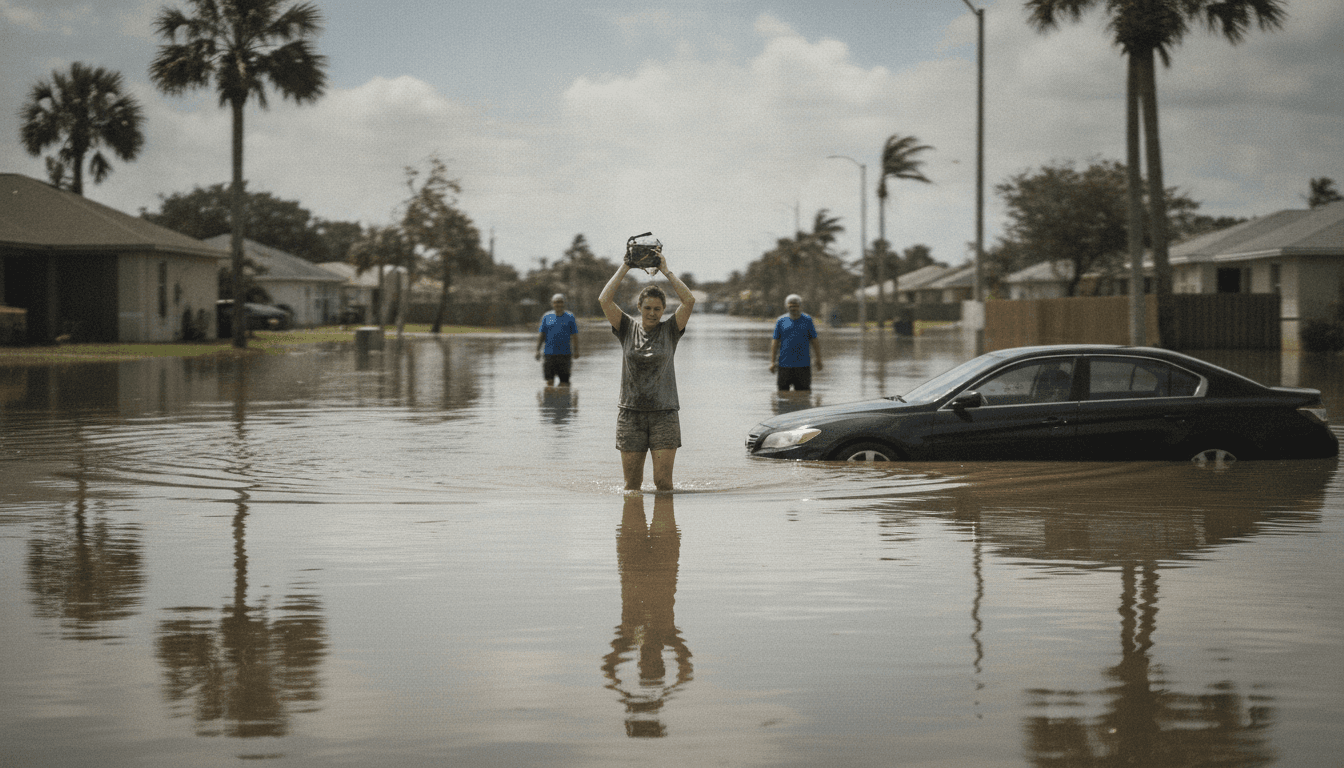
The specific mechanisms through which climate threats growing threat to democracy operate are varied. For instance, prolonged heatwaves can lead to food and water shortages, sparking protests and civil unrest. Floods can displace millions, overwhelming social services and creating power vacuums. Wildfires, beyond their immediate destructive power, can contaminate air quality and destroy livelihoods, fostering widespread disillusionment with government efficacy. In each scenario, the democratic principle of accountability is challenged, as citizens demand immediate solutions that governments may be ill-equipped to provide.
“The erosion of public trust in democratic institutions, fueled by a perceived inability to protect citizens from climate disasters, is a dangerous trend that can lead to widespread instability and a retreat from democratic norms.”
The report’s timing in late April 2026 suggests an urgent call to action, emphasizing that the window for addressing both climate change and its democratic implications is rapidly closing. It highlights the need for integrated strategies that not only focus on environmental resilience but also on strengthening democratic governance and civic participation in the face of escalating crises.
Context & Background
This report builds upon a growing body of research that links environmental degradation to political instability. Historically, resource scarcity, particularly water, has been identified as a driver of conflict in various regions. However, the current analysis extends this understanding by directly implicating the scale and frequency of extreme weather events as direct threats to the very fabric of democratic systems. Previous events, such as the social unrest following prolonged droughts in certain regions or the political upheaval after major natural disasters, serve as stark precedents for the report’s warnings. Industry trends show an increasing recognition among policymakers and international organizations that climate change is a ‘threat multiplier,’ amplifying existing vulnerabilities and creating new ones.
The discourse around climate change has evolved from purely scientific and environmental concerns to encompass economic, social, and now, profoundly, political dimensions. This report represents a significant step in that evolution, urging a holistic approach that acknowledges the interconnectedness of ecological health and political stability. The financial implications are also substantial; the economic toll of these climate threats growing threat to democracy will inevitably impact national budgets, diverting funds from essential services and further straining the social contract.
What’s Next
The implications of this report are far-reaching. Future international summits and national policy decisions will likely need to integrate democratic resilience into their climate strategies. Expect to see increased discussions around ‘climate security’ and the role of international cooperation in bolstering democratic governance in vulnerable regions. Upcoming decisions may include allocating more funding for climate adaptation projects that also strengthen local governance, and developing early warning systems that account for both environmental and social indicators of instability. Predictions suggest that without concerted efforts to address both the root causes of climate change and its democratic impacts, the world could face a future marked by greater political fragmentation and a retreat from open societies. Our ongoing coverage will continue to track these developments.
Key Takeaway
This report is a critical reminder that the fight against climate change is not solely an environmental battle; it is fundamentally a struggle to preserve and strengthen democratic principles. The growing threat to democracy posed by heatwaves, floods, and wildfires demands a comprehensive and integrated response that addresses both the physical manifestations of climate change and its profound political ramifications. Failing to safeguard democratic institutions in the face of these escalating environmental challenges risks undermining the very capacity needed to tackle climate change effectively, pushing the world into a dangerous cycle of environmental disaster and political decay.