Climate change amplifying ocean pollution threats, particularly in hyper-arid seas, is creating a perilous feedback loop that intensifies environmental degradation, according to a report published on Tuesday, May 5, 2026. This critical interaction sees rising global temperatures exacerbate existing marine contamination, posing severe challenges for delicate ecosystems and the communities that depend on them.
The Growing Threat in Hyper-Arid Seas
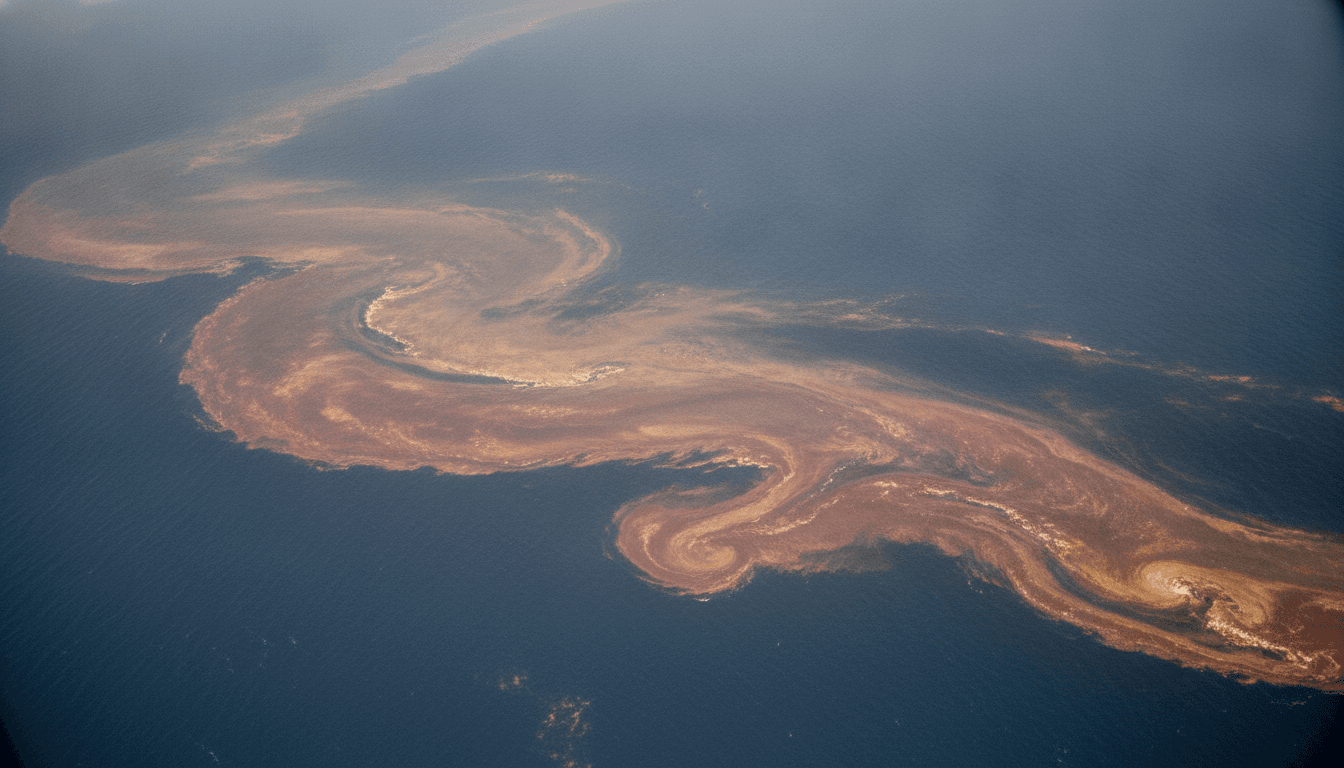
The report details how the unique characteristics of hyper-arid seas – regions characterized by extremely low rainfall and high evaporation rates – make them particularly vulnerable. These environments often have limited freshwater input, leading to higher salinity and slower water circulation, which in turn concentrates pollutants. When coupled with the effects of climate change, such as increased sea surface temperatures and altered current patterns, the capacity of these seas to dilute and process contaminants is severely diminished. This creates a localized ‘hotspot’ effect where pollutants persist for longer periods and reach higher concentrations.
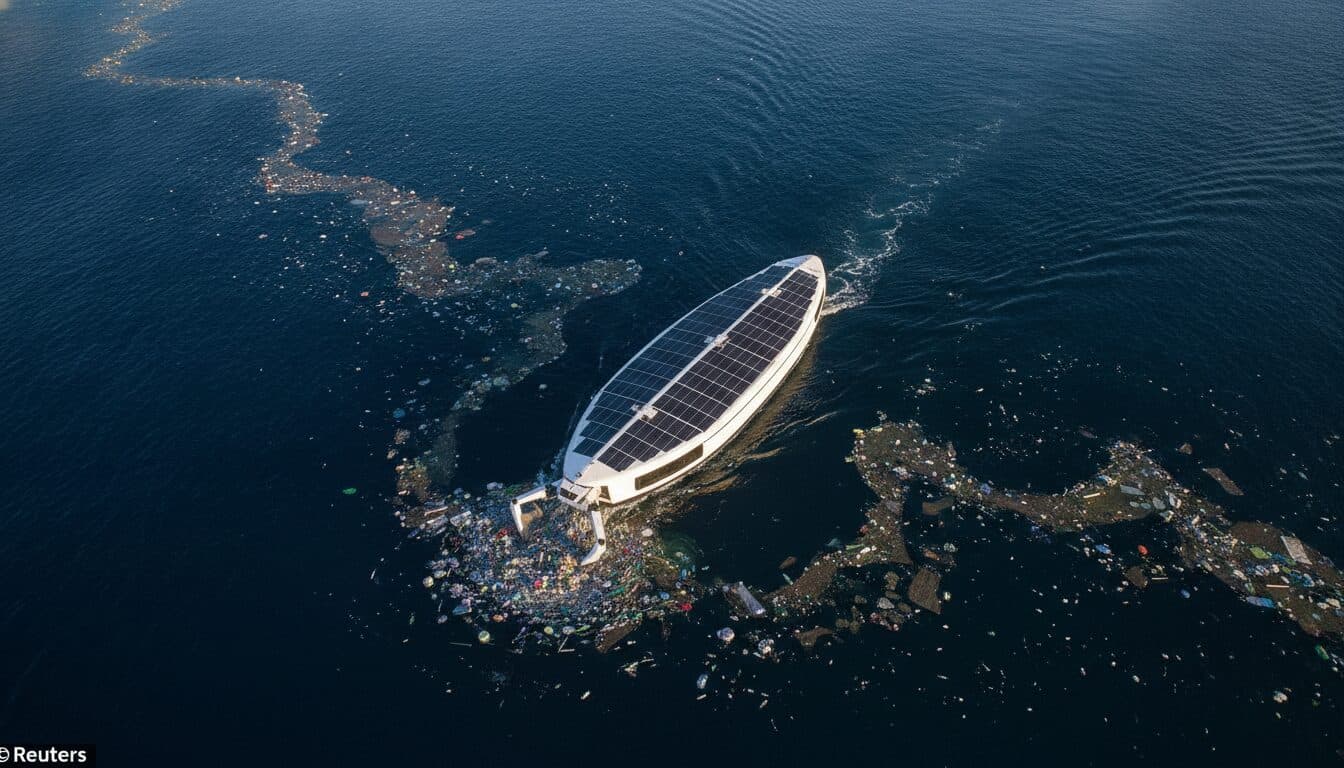
The convergence of these factors means that pollutants, ranging from plastics and microplastics to industrial chemicals and nutrient runoff, become more potent and widespread. The report highlights that this phenomenon is not isolated but is observed across various hyper-arid coastal regions globally, indicating a systemic problem that requires urgent attention and integrated management strategies. The long-term implications for marine biodiversity, fisheries, and human health in these regions are substantial. Related environment & climate articles often discuss the interconnectedness of these global environmental challenges.
Climate Change Amplifying Ocean Pollution
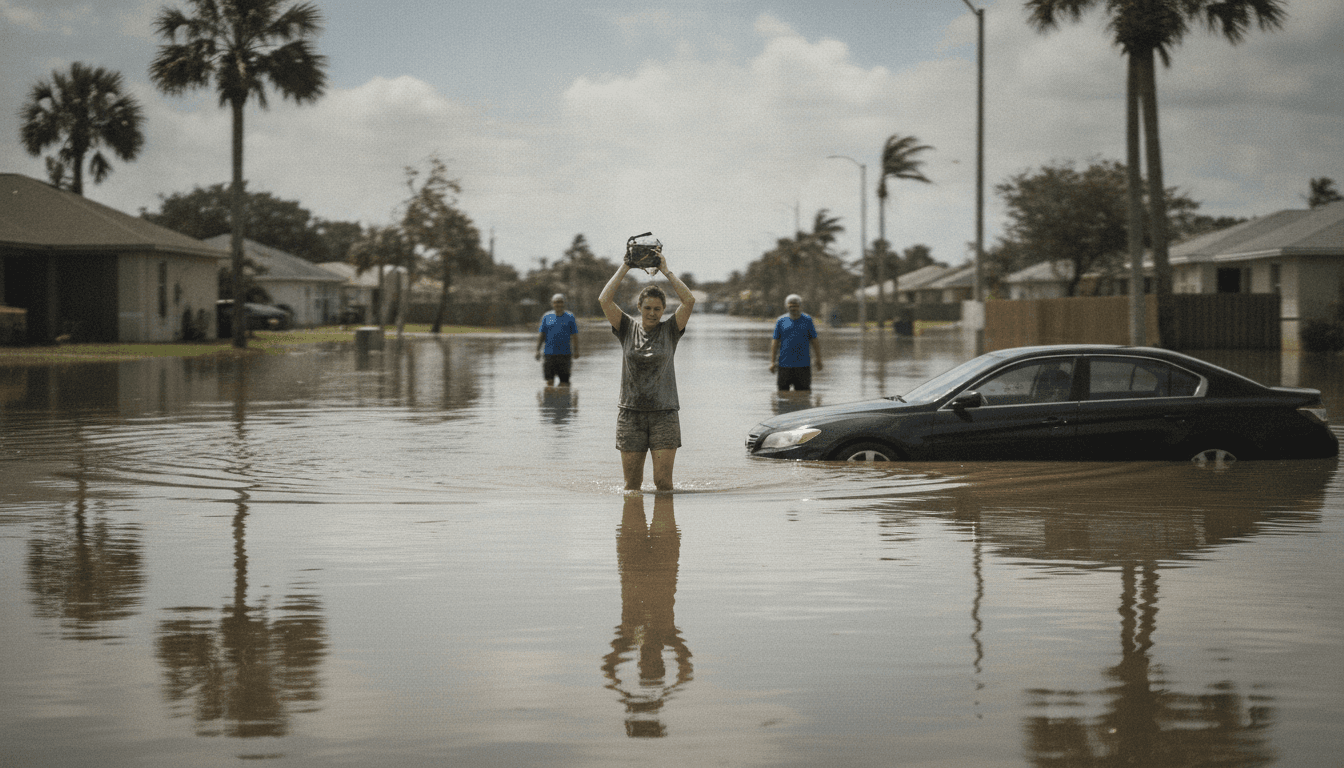
The mechanism by which climate change amplifies ocean pollution is multifaceted. Warmer waters reduce oxygen solubility, leading to ocean deoxygenation, which stresses marine life and makes it more susceptible to the impacts of pollution. Furthermore, changes in precipitation patterns in surrounding arid lands can lead to more intense, but less frequent, rainfall events. These events can trigger flash floods that carry accumulated land-based pollutants directly into coastal waters, overwhelming natural cleansing processes. Sea-level rise, another consequence of climate change, can inundate coastal waste sites and industrial areas, releasing legacy pollutants into the marine environment.
“The interplay between climate change and ocean pollution in hyper-arid seas creates a vicious cycle, where each problem exacerbates the other, pushing these fragile ecosystems closer to tipping points.”
This amplification effect is particularly concerning because hyper-arid regions are often also areas of rapid coastal development and population growth, adding further pressure from anthropogenic activities. The report underscores the need for a holistic approach that addresses both climate mitigation and pollution control simultaneously, rather than treating them as separate issues.
Context and Broader Implications
Historically, ocean pollution has been viewed primarily through the lens of direct discharge and waste management. However, the emerging understanding presented in this report shifts the paradigm, demonstrating how climate change acts as a powerful accelerant. Previous studies have documented the pervasive spread of microplastics and the impact of chemical runoff, but the specific vulnerability of hyper-arid seas under a changing climate adds a critical dimension to this global challenge. Industry trends show a growing recognition among policymakers and corporations of the need for circular economy principles and stricter environmental regulations, yet implementation often lags the pace of environmental degradation.
This new insight aligns with broader concerns about marine ecosystem collapse and the increasing pressure on global fisheries. The economic ramifications for coastal communities dependent on healthy oceans, particularly in developing nations within hyper-arid zones, could be severe, impacting food security, tourism, and local livelihoods. Addressing this complex issue requires significant investment in scientific research, monitoring, and adaptation strategies.
What’s Next for Vulnerable Marine Ecosystems
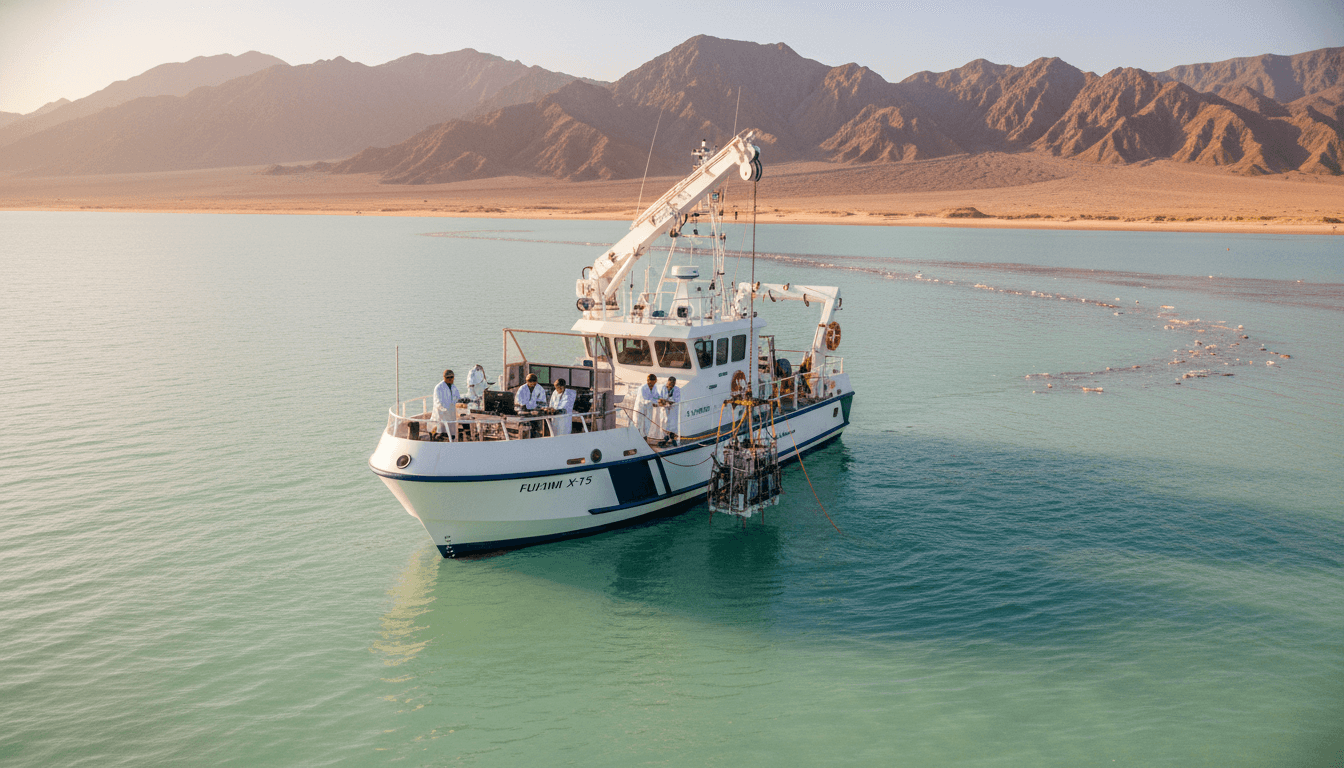
Looking ahead, the findings of this report will likely prompt increased scrutiny on coastal development projects in hyper-arid regions and may influence international climate adaptation funding. Future decisions will need to prioritize integrated coastal zone management plans that account for climate change impacts and pollution sources. This includes investing in advanced wastewater treatment, improving solid waste management, and implementing nature-based solutions to enhance coastal resilience. Scientists will continue to monitor the specific indicators of climate change amplifying ocean pollution, such as pollutant concentrations, marine biodiversity shifts, and oceanographic changes in these vulnerable areas.
Policy discussions at upcoming international environmental summits are expected to incorporate these findings, emphasizing the need for cross-sectoral collaboration between climate scientists, oceanographers, and pollution control experts. There is also a strong prediction that greater emphasis will be placed on developing and deploying technologies that can mitigate pollution in harsh marine environments, alongside efforts to reduce greenhouse gas emissions globally.
Key Takeaway: Interconnected Crises
This report serves as a stark reminder that environmental crises are rarely isolated. The phenomenon of climate change amplifying ocean pollution in hyper-arid seas exemplifies the intricate and often devastating connections between global warming and localized environmental degradation. It underscores the urgency of adopting comprehensive, integrated strategies that address both climate change mitigation and pollution control simultaneously. Failure to recognize and act upon these interconnected threats risks irreversible damage to some of the planet’s most unique and vulnerable marine ecosystems, with profound implications for environmental stability and human well-being worldwide.