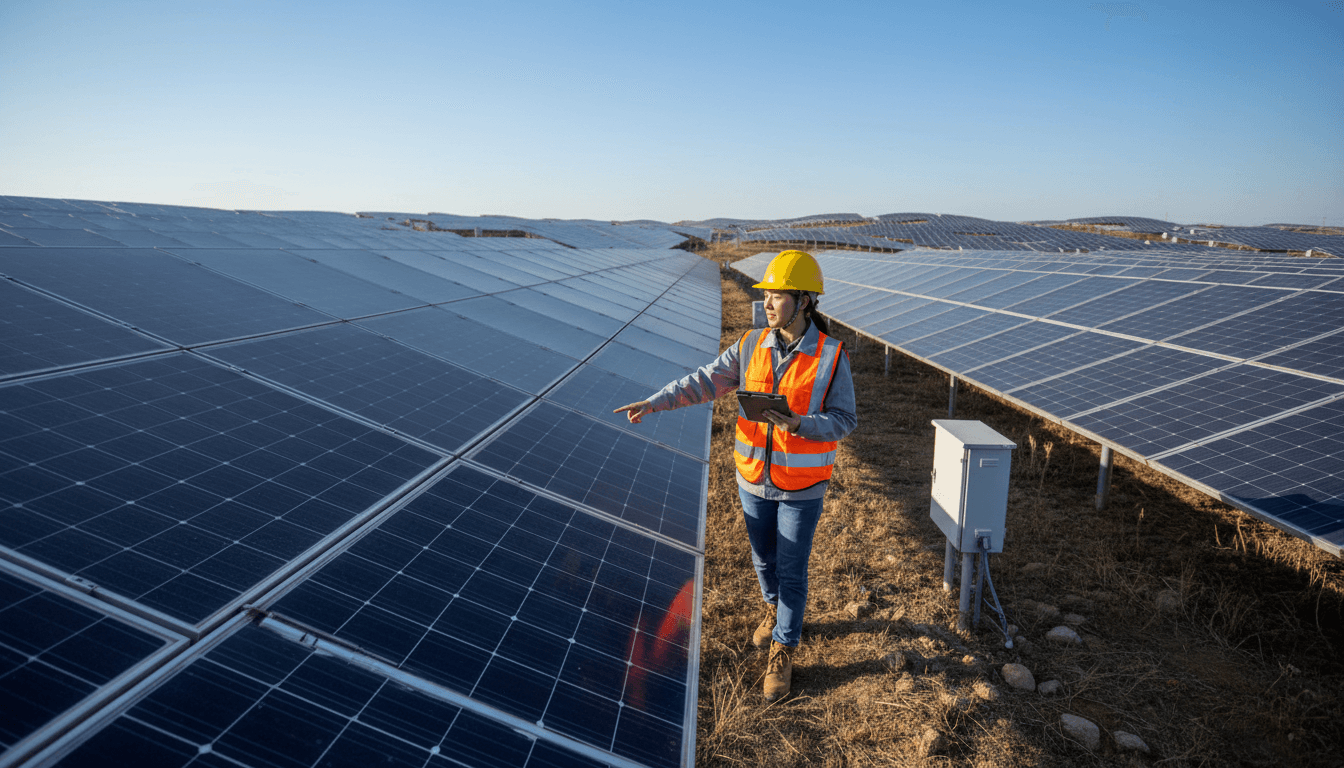
China’s 15th Five-Year Plan, detailed in a recent China Briefing on Friday, April 24, 2026, outlines the nation’s strategic path to peak emissions, a critical juncture for global climate efforts. This ambitious blueprint sets the trajectory for environmental and climate policy, aiming to solidify China’s commitment to decarbonization while navigating the complexities of economic growth and energy security.
The Path to Peak Emissions: Key Details
The China Briefing report elucidates the core tenets of the 15th Five-Year Plan, focusing on the mechanisms and targets designed to achieve peak emissions. While specific numerical targets for emissions reductions were not detailed in the provided information, the emphasis is clearly on a comprehensive policy framework. This includes significant investments in renewable energy infrastructure, a continued push for energy efficiency across industrial sectors, and the implementation of more stringent environmental regulations. The plan is expected to guide policy decisions from 2026 through 2030, a period deemed crucial for global climate action.
The involvement of various government agencies and state-owned enterprises will be pivotal in translating these policy directives into tangible outcomes. Local governments are anticipated to play a significant role in implementation, adapting national guidelines to regional specificities. This integrated approach suggests a concerted effort to weave climate considerations into the fabric of economic planning and development across the country.
Impact Analysis
The implications of China’s 15th Five-Year Plan for the broader environment and climate landscape are profound. As the world’s largest emitter, China’s success in achieving climate goals, particularly its commitment to peak emissions, will significantly influence global temperature targets and the overall trajectory of climate change mitigation. A robust and effective implementation of the plan could provide a much-needed impetus for other major economies to accelerate their own decarbonization efforts.
Conversely, any delays or shortcomings in meeting the plan’s objectives could dampen global climate ambition and make the 1.5-degree Celsius target increasingly difficult to attain. The sheer scale of China’s industrial base and energy demand means that even marginal shifts in policy or implementation can have outsized impacts on global emissions. The plan’s emphasis on green technologies and sustainable development also presents opportunities for international collaboration and the acceleration of global innovation in these sectors.
“China’s commitment to peak emissions within its 15th Five-Year Plan is a linchpin for global climate stability, demonstrating a clear intent to balance economic development with environmental stewardship.”
Context & Background
China’s journey towards a greener economy has been a gradual but persistent one. Previous Five-Year Plans have progressively integrated environmental protection and sustainable development goals, though the focus on emissions reduction has intensified with each successive plan. The 13th and 14th Five-Year Plans, for instance, laid the groundwork for the current ambitions by promoting renewable energy deployment and setting initial targets for carbon intensity reduction. The nation’s pledge to achieve carbon neutrality before 2060, and to peak emissions by 2030, has anchored these policy shifts.
Globally, the pressure to address climate change has escalated, particularly following the Paris Agreement. Major economies are under increasing scrutiny to demonstrate concrete actions towards decarbonization. China’s latest plan can be seen as a response to both domestic environmental concerns—such as air and water pollution—and international expectations for climate leadership. The growing trend towards green finance and ESG (Environmental, Social, and Governance) investing also provides an economic incentive for China to accelerate its transition to a low-carbon economy.
What’s Next
The immediate future will involve the detailed rollout of specific policies and regulations under the 15th Five-Year Plan. Businesses, both domestic and international, operating within China will need to align their strategies with these new environmental directives. This could include increased investment in cleaner production technologies, greater adoption of renewable energy sources, and enhanced reporting on environmental performance. The plan’s implementation will also be closely watched by international bodies and climate monitoring organizations, with regular assessments of progress expected.
Future decisions will likely revolve around the allocation of resources for green infrastructure, the development of carbon markets, and potential international partnerships for technology transfer. Predictions suggest a continued expansion of China’s renewable energy capacity, potentially solidifying its position as a global leader in solar and wind power. The focus on sustainable development will also likely extend to areas such as green transportation and smart city initiatives.
Key Takeaway
The 15th Five-Year Plan’s explicit focus on the path to peak emissions is a critical indicator of China’s evolving climate policy and its intent to play a significant role in global decarbonization efforts. The success or failure of this plan will not only shape China’s environmental future but also have profound implications for the global fight against climate change, influencing international climate negotiations, technological innovation, and the broader transition to a sustainable global economy.