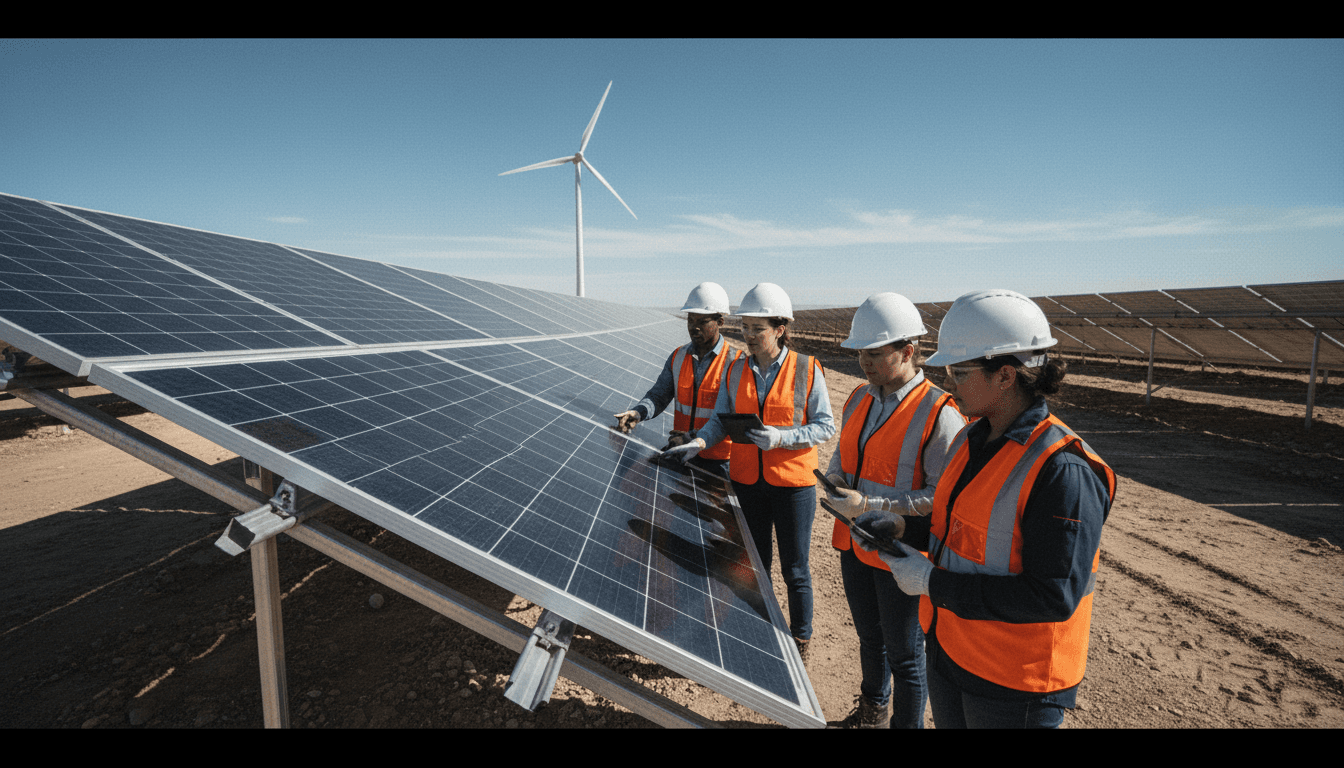
Avaada Group’s renewable energy portfolio has surged past 17.7 GWp, marking a significant milestone in strengthening India’s clean energy and energy security transition. This impressive figure, announced on Tuesday, May 12, 2026, by SolarQuarter, includes 7.2 GWp of operational capacity, demonstrating a robust expansion across various green energy solutions. The company’s diversified approach, encompassing solar, wind, hybrid, firm and dispatchable renewable energy (FDRE), and storage-based power solutions, underscores its pivotal role in India’s ambitious decarbonization efforts.
The Story: Avaada’s Strategic Expansion
The announcement by SolarQuarter highlights Avaada Group’s rapid growth and strategic commitment to India’s renewable energy landscape. With 17.7 GWp in its total portfolio, the company is not merely adding capacity but integrating a broad spectrum of technologies to ensure grid stability and reliability. The 7.2 GWp of operational capacity represents a substantial contribution to the nation’s current energy mix, providing tangible clean power to millions.
Avaada’s comprehensive portfolio signifies a calculated move to address the multifaceted challenges of energy transition. By investing in solar, wind, hybrid projects, FDRE, and storage solutions, the group is building a resilient and flexible energy infrastructure. This integrated strategy is crucial for a country like India, which experiences diverse geographical and climatic conditions, requiring tailored energy solutions to meet varying demand profiles and ensure continuous supply.
“Avaada Group’s diversified portfolio, exceeding 17.7 GWp, is a testament to the strategic imperative of integrating various renewable technologies to achieve both clean energy goals and robust energy security for India.”
Impact Analysis: Strengthening India’s Energy Security
The expansion of Avaada Group’s renewable energy portfolio directly impacts India’s broader environmental and climate landscape. By significantly increasing the share of clean energy, the country reduces its reliance on fossil fuels, thereby lowering greenhouse gas emissions and mitigating climate change impacts. This move aligns with India’s international commitments under the Paris Agreement and its ambitious national targets for renewable energy capacity addition.
Furthermore, this growth has profound implications for India’s energy security. A diversified domestic renewable energy base lessens dependence on imported fossil fuels, shielding the nation from volatile global energy prices and geopolitical risks. The integration of FDRE and storage solutions within Avaada’s portfolio is particularly critical, as it addresses the intermittency often associated with renewables, ensuring a stable and reliable power supply. This stability is vital for industrial growth, economic development, and improving the quality of life for citizens across the subcontinent. The continued expansion of the renewable energy portfolio by key players like Avaada is a cornerstone of this national strategy.
Context & Background: India’s Renewable Drive
India has embarked on one of the world’s most aggressive renewable energy expansion programs. Driven by a rapidly growing economy and a large population, the demand for energy is soaring. Historically, this demand has been met largely by coal, leading to significant environmental challenges. Recognizing the urgency of climate action and the strategic benefits of energy independence, the Indian government has set ambitious targets, aiming for 500 GW of non-fossil fuel electricity capacity by 2030.
Companies like Avaada Group are at the forefront of this national endeavor. Their investments reflect a strong policy environment that encourages private sector participation through various incentives, subsidies, and competitive bidding processes for renewable energy projects. This collaborative effort between government and industry is accelerating the pace of transition, making India a global leader in renewable energy deployment.
What’s Next: The Path to a Cleaner Future
Looking ahead, Avaada Group’s continued growth is expected to contribute substantially to India’s goal of achieving net-zero emissions. The focus on integrating storage solutions and FDRE indicates a mature approach to renewable energy development, moving beyond mere capacity addition to ensuring grid stability and supply reliability. This will likely involve further technological advancements, increased investment in battery storage, and the exploration of other emerging green technologies.
The success of companies like Avaada will also serve as a blueprint for other developing nations seeking to transition to clean energy while ensuring energy security. The scale and complexity of India’s energy needs make its renewable energy transition a critical case study for global decarbonization efforts. Continued policy support, technological innovation, and private sector investment will be paramount in sustaining this momentum and further strengthening India’s energy security.
Avaada Group’s achievement of surpassing a 17.7 GWp renewable energy portfolio underscores a transformative period for India’s energy sector. This expansion is not just about numbers; it represents a concrete step towards a more sustainable, independent, and secure energy future for one of the world’s largest economies, setting a powerful precedent for global climate action.