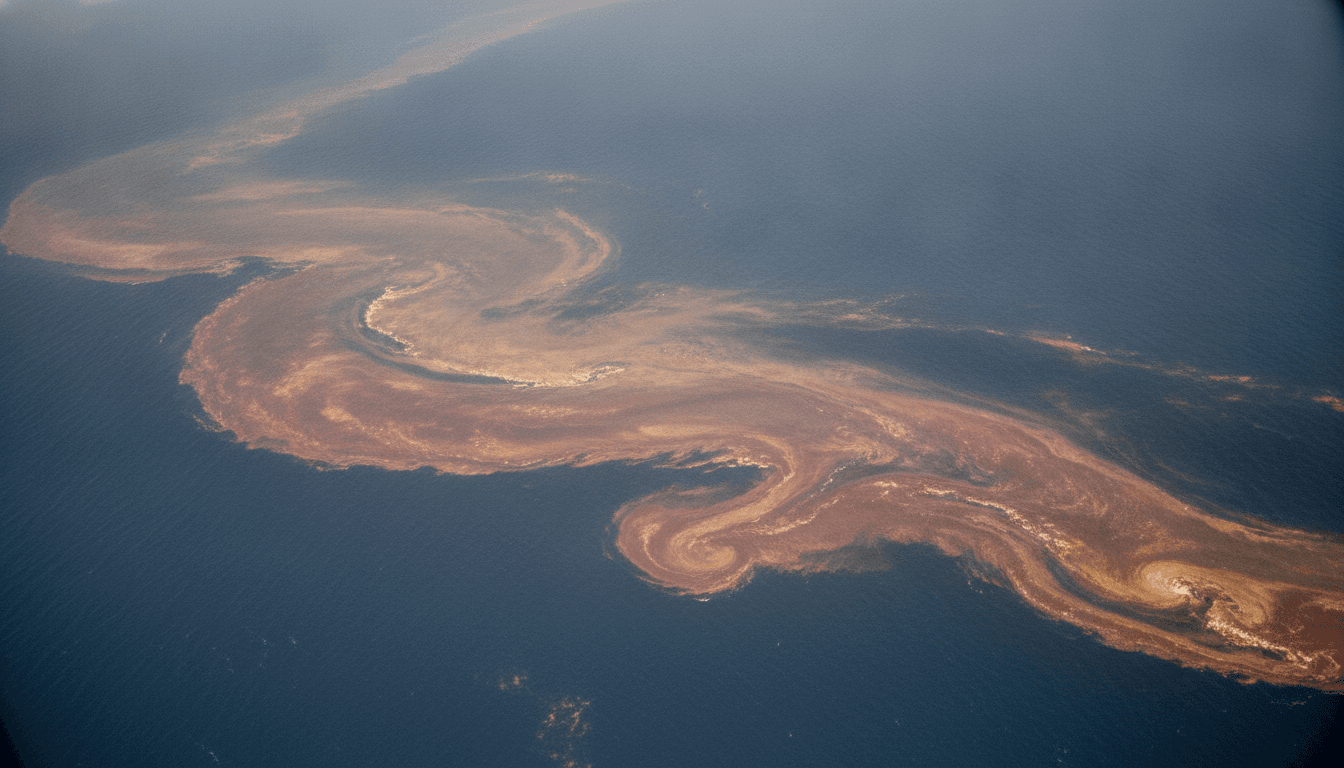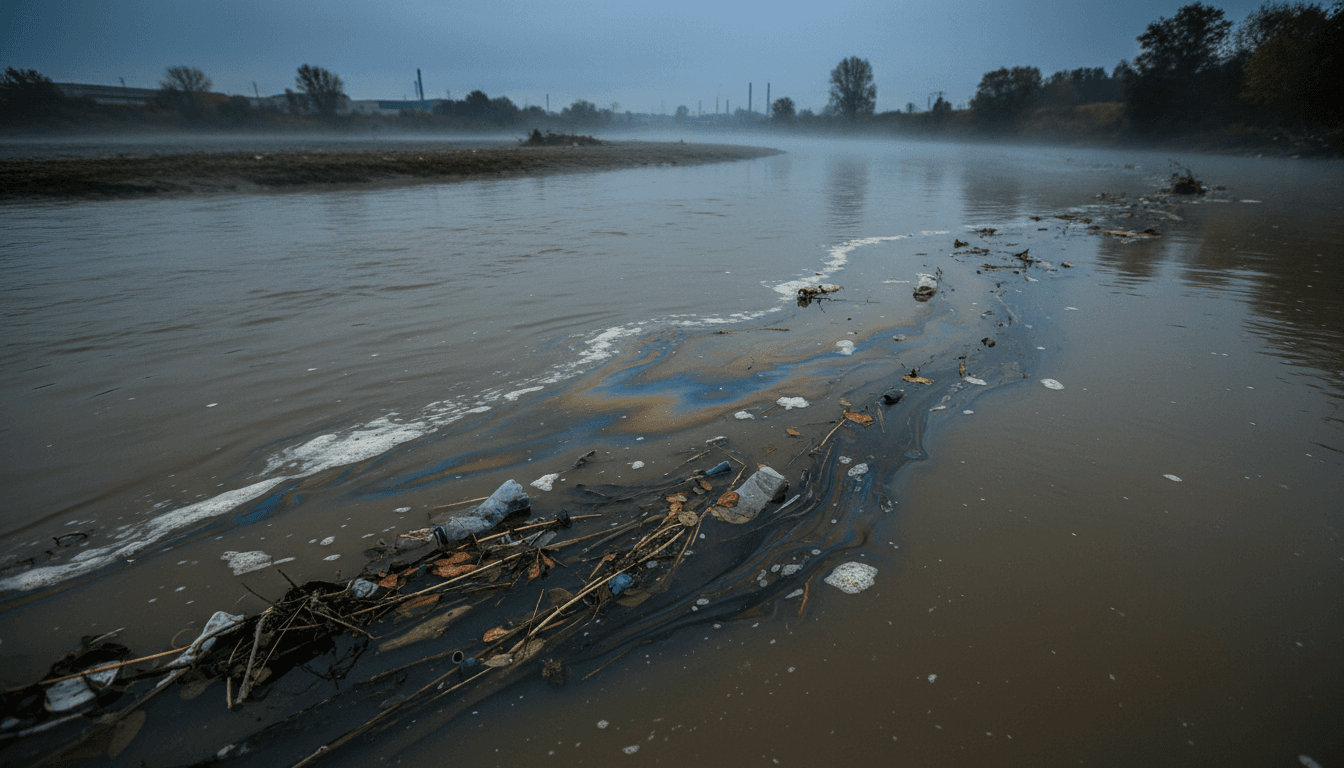
Amazon River pollution is escalating, threatening one of the planet’s most vital ecosystems with widespread environmental degradation, as detailed in a recent Britannica report published Saturday, April 25, 2026. The report highlights a critical confluence of factors, including industrial contamination, agricultural runoff, and the relentless march of deforestation, all contributing to a dire outlook for the river and its surrounding basin.
The Britannica analysis, a comprehensive overview of the Amazon’s ecological challenges, underscores the multifaceted nature of the crisis. It points to a range of actors, from illegal mining operations discharging mercury and other heavy metals directly into tributaries, to large-scale agricultural expansions that lead to increased sediment load and chemical runoff. The sheer scale of the Amazon River system makes it particularly vulnerable, as pollutants introduced in one area can quickly disperse and affect vast stretches downstream, impacting countless species and human communities reliant on its resources.
Impact Analysis
The implications of this intensified degradation extend far beyond the immediate vicinity of the Amazon. The Amazon rainforest, often dubbed the ‘lungs of the Earth,’ plays a crucial role in global climate regulation by absorbing vast amounts of carbon dioxide. Increased deforestation, driven by cattle ranching, soy cultivation, and logging, not only reduces this carbon sink capacity but also contributes to soil erosion, altering hydrological cycles and exacerbating the impact of Amazon River pollution. The loss of biodiversity is another profound consequence, with countless endemic species facing extinction due to habitat destruction and water contamination. This ecological unraveling has ripple effects on indigenous communities, whose traditional livelihoods and cultural practices are intrinsically linked to the health of the river and forest.
Context & Background
The challenges facing the Amazon are not new, but their intensity and scope have grown significantly in recent decades. Historical patterns of resource extraction, from rubber booms to timber exploitation, have left a legacy of environmental damage. However, the current era is marked by a rapid acceleration of these pressures, fueled by global demand for commodities and often facilitated by weak governance and enforcement in riparian nations. Previous attempts at conservation have often struggled against powerful economic interests, leading to a patchwork of protected areas that are frequently encroached upon. The battle against Amazon River pollution has become a litmus test for international environmental commitments.
“The Amazon’s fate is a bellwether for global environmental health. The escalating pollution and deforestation represent a systemic failure to balance economic development with ecological preservation, with far-reaching consequences for climate stability and biodiversity.”
What’s Next for Amazon River Pollution?
Looking ahead, the trajectory of the Amazon River’s health will depend heavily on a complex interplay of policy decisions, international cooperation, and local enforcement. Urgent action is needed to curb illegal activities, strengthen environmental regulations, and promote sustainable economic alternatives for communities in the basin. Initiatives focusing on reforestation, sustainable agriculture, and responsible mining practices are critical. Furthermore, enhanced monitoring technologies and increased transparency could help hold accountable those contributing to Amazon River pollution and deforestation. The coming years will be crucial in determining whether these efforts can reverse the current alarming trends or if the degradation will continue unabated. Global climate initiatives are increasingly focusing on the Amazon as a priority.
Key Takeaway
The Britannica report serves as a stark reminder of the escalating environmental crisis gripping the Amazon River. The intertwined threats of pollution and deforestation are not merely regional concerns but represent a significant global challenge with profound implications for climate, biodiversity, and human well-being. Addressing this requires a concerted, multi-stakeholder approach that prioritizes long-term ecological sustainability over short-term economic gains, underscoring why the health of the Amazon remains a critical barometer for the planet’s future.