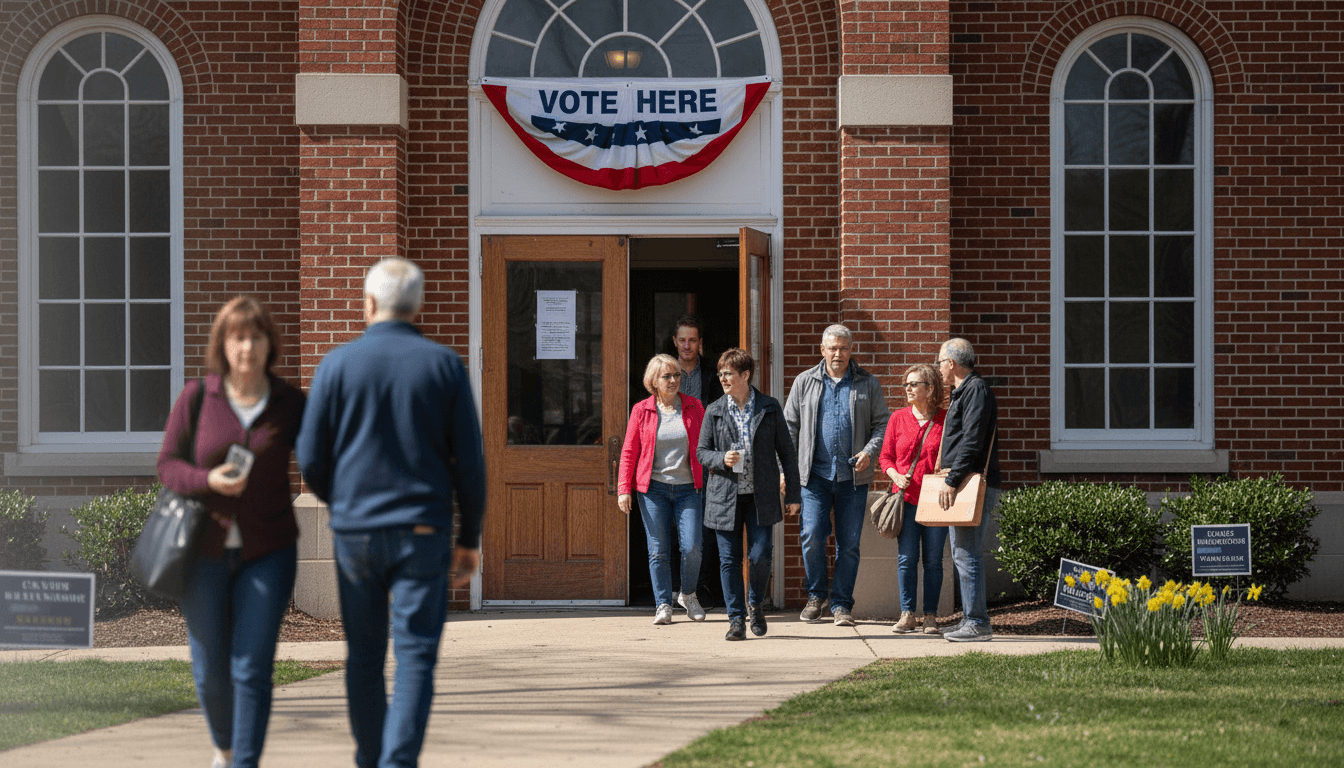
The Virginia special election results, announced on Wednesday, April 22, 2026, by cbs19news.com, have concluded a closely watched contest, potentially signaling shifts in the state’s political landscape. While specific candidates and districts were not detailed in the initial report, the mere occurrence and swift reporting of these results underscore the ongoing democratic processes and their immediate local impact.
The Story: Election Details Emerge
The report from cbs19news.com on Wednesday, April 22, 2026, confirmed the final tabulation of votes for a special election in Virginia. The brevity of the initial announcement, focusing solely on the availability of the Virginia special election results, suggests a rapid conclusion to a contest that likely drew significant local attention. Special elections are typically held to fill vacancies arising from resignations, deaths, or other unforeseen circumstances, often serving as a barometer for public sentiment ahead of broader electoral cycles. Without details on the specific office contested or the victors, the immediate focus remains on the procedural completion of the electoral process.
The lack of specific data regarding the winning candidates, vote margins, or the district affected by these Virginia special election results prevents a deeper analysis of individual political fortunes. However, the prompt reporting by a local news outlet like cbs19news.com highlights the importance of timely electoral transparency, even for localized contests. Such elections, though sometimes overlooked by national media, are crucial for maintaining continuous representation and addressing pressing local issues. The outcome, whatever its specifics, will undoubtedly influence regional governance and policy direction for the affected constituency.
Impact Analysis
While the broader implications of these Virginia special election results are currently constrained by the limited information available, any shift in political representation, even at a local level, can ripple through state politics. A change in party control for even one seat can alter legislative majorities, influence committee assignments, or affect the balance of power on key votes. For observers of American politics, special elections are often seen as microcosms, offering early indicators of voter enthusiasm, demographic shifts, or the effectiveness of particular campaign strategies that might be replicated in future general elections. Related world news articles often analyze how localized political trends can foreshadow national movements.
“Special elections, though geographically confined, frequently offer early seismic readings of public mood, making their outcomes keenly observed by political strategists and state-level leadership alike.”
The timing of these results in April 2026 places them roughly midway between major federal election cycles, making them particularly interesting for gauging political momentum. A strong showing by one party could energize its base and provide a narrative boost, while a surprising defeat could force a reassessment of strategy. The financial implications, though indirect, can also be significant. Businesses and investors often monitor political stability and policy directions, even at the state level, as these can influence regulatory environments, tax policies, and infrastructure spending, all of which impact regional economic performance.
Context & Background
Virginia, a swing state in recent national elections, has seen its political landscape evolve considerably over the past two decades. Historically a conservative stronghold, it has trended bluer in recent years, particularly in its urban and suburban corridors. This makes any election, including a special election, a point of interest for those tracking the state’s political trajectory. The specific circumstances leading to this special election, though not detailed in the source, likely involved a vacancy that necessitated a quick electoral resolution to ensure continuous representation for the affected constituents. The rapid turnaround from vacancy to election and then to the announcement of the Virginia special election results is typical for such scenarios, designed to minimize disruption to governance.
Previous special elections in Virginia have occasionally produced unexpected outcomes, sometimes defying broader political trends or reflecting unique local dynamics. These contests often see lower voter turnout compared to general elections, meaning that highly motivated bases or effective grassroots organizing can play a disproportionately large role in determining the Virginia special election results. The specific political environment of April 2026, including any prevailing state or national issues, would have undoubtedly shaped the campaign narratives and voter engagement for this particular race. Global political observers often look to such contests for insights into the health of democratic institutions.
What’s Next
The immediate aftermath of the Virginia special election results will involve the swearing-in of the newly elected official, followed by their integration into the relevant legislative body. Their mandate will be to represent their constituents and contribute to the legislative process. For political parties, the focus will shift to analyzing the results, understanding what factors led to victory or defeat, and applying those lessons to upcoming electoral challenges. Data from this special election, including turnout figures and demographic breakdowns (if released), will be meticulously studied to refine future campaign strategies and resource allocation. Journalists and political analysts will undoubtedly delve into the specifics as more information becomes available, seeking to extrapolate broader trends from this localized outcome. The incoming representative will face the challenge of addressing local concerns while navigating the broader political currents of the state and nation.
Key Takeaway
The announcement of the Virginia special election results by cbs19news.com on April 22, 2026, serves as a fundamental reminder of the continuous and dynamic nature of democratic governance. While the initial report is concise, the very act of holding and reporting such an election underscores the commitment to representative democracy, even in the face of unforeseen vacancies. The outcome, regardless of its specific details, contributes to the evolving political tapestry of Virginia and offers subtle cues about the direction of voter sentiment, which can have ripple effects far beyond the specific district contested. As more details emerge, the true significance of these results will become clearer, shaping the political discourse and potentially influencing future electoral strategies across the state.