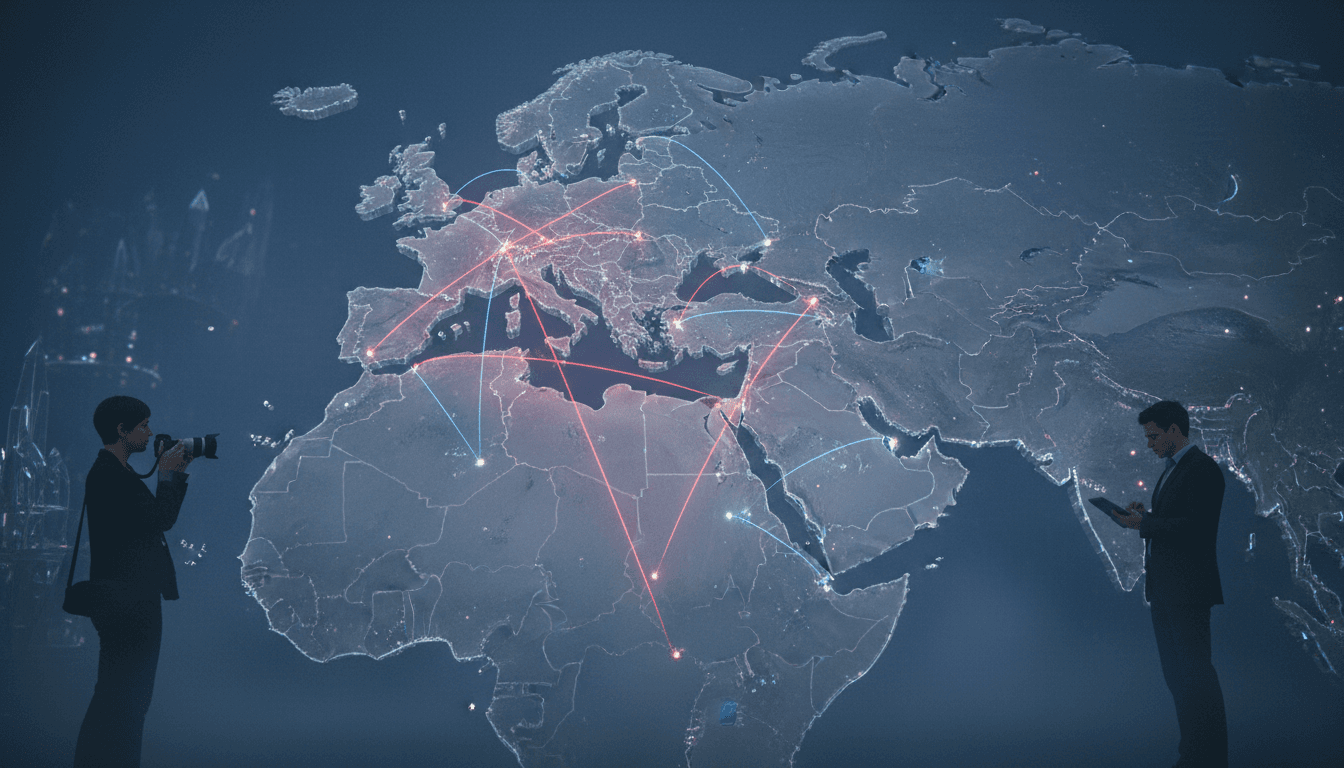
The US-Israel conflict, now on day 53, continues to reshape geopolitical dynamics, with escalating tensions and a widening array of regional actors becoming increasingly entangled. As of Wednesday, April 22, 2026, the situation remains highly volatile, drawing significant international scrutiny and concern over potential broader destabilization across the Middle East.
The key players in this unfolding drama include the United States, Israel, and, as indicated by the evolving narrative, Iran. While specific details of direct Iranian involvement on day 53 are not explicitly outlined in the available information, the framing of the conflict as the ‘US-Israel conflict’ with a focus on ‘Iran war’ in the title strongly suggests a perceived or actual role for Tehran in the broader hostilities. The ongoing nature of the conflict, spanning 53 days, points to sustained military engagements and diplomatic efforts, likely involving a complex interplay of air strikes, ground operations, and cyber warfare.
Impact Analysis: Regional Stability at Risk
The protracted US-Israel conflict carries profound implications for regional stability and global energy markets. A sustained conflict of this nature inevitably leads to humanitarian crises, displacement, and economic disruption in affected areas. Furthermore, the involvement, direct or indirect, of major powers like the United States and regional adversaries like Iran raises the specter of a wider conflagration, potentially drawing in other states and non-state actors.
“The long-term geopolitical ramifications of this conflict extend far beyond the immediate battlegrounds, threatening to redefine alliances and power balances across the Middle East for years to come.”
The international community faces immense pressure to de-escalate the situation and prevent further loss of life. Diplomatic initiatives, though challenging amidst active hostilities, are crucial to finding a pathway toward a sustainable resolution. The economic fallout, particularly concerning oil prices and trade routes, could also ripple globally, impacting inflation and supply chains.
Context & Background: A History of Tensions
The current US-Israel conflict is not an isolated event but rather the latest manifestation of decades of complex geopolitical tensions in the Middle East. The relationship between the United States and Israel has historically been one of strong strategic alliance, particularly concerning regional security. Iran, on the other hand, has been a long-standing adversary for both the US and Israel, with ongoing disputes over its nuclear program, regional influence, and support for various proxy groups. Previous escalations, though perhaps not reaching the 53-day mark, have often involved similar dynamics, with accusations of aggression and counter-aggression.
Industry trends in military technology, including precision-guided munitions and drone warfare, undoubtedly play a role in the operational aspects of this conflict. The information environment, characterized by rapid dissemination and potential disinformation, also shapes public perception and international responses to the US-Israel conflict.
What’s Next: Pathways to De-escalation
Looking ahead, the immediate focus will be on monitoring military developments and assessing the humanitarian situation. Key decisions will likely revolve around potential ceasefire negotiations, the deployment of international observers, and the delivery of humanitarian aid. The role of international bodies, such as the United Nations, will be critical in mediating talks and enforcing any potential agreements. Predictions for the conflict’s trajectory remain uncertain; however, sustained international pressure for de-escalation will be paramount. The US-Israel conflict demands a multilateral approach to prevent further regional destabilization. Related world news articles often highlight the challenges of achieving lasting peace in such complex environments.
Key Takeaway: The Enduring Crisis
The 53rd day of the US-Israel conflict underscores the enduring fragility of peace in the Middle East and the intricate web of alliances and rivalries that define the region. The potential for this conflict to widen, drawing in more actors and exacerbating existing humanitarian crises, is a grave concern for global security and economic stability. A concerted and immediate international effort is required to navigate this complex geopolitical landscape and work towards a resolution that mitigates further suffering and prevents a broader regional war.