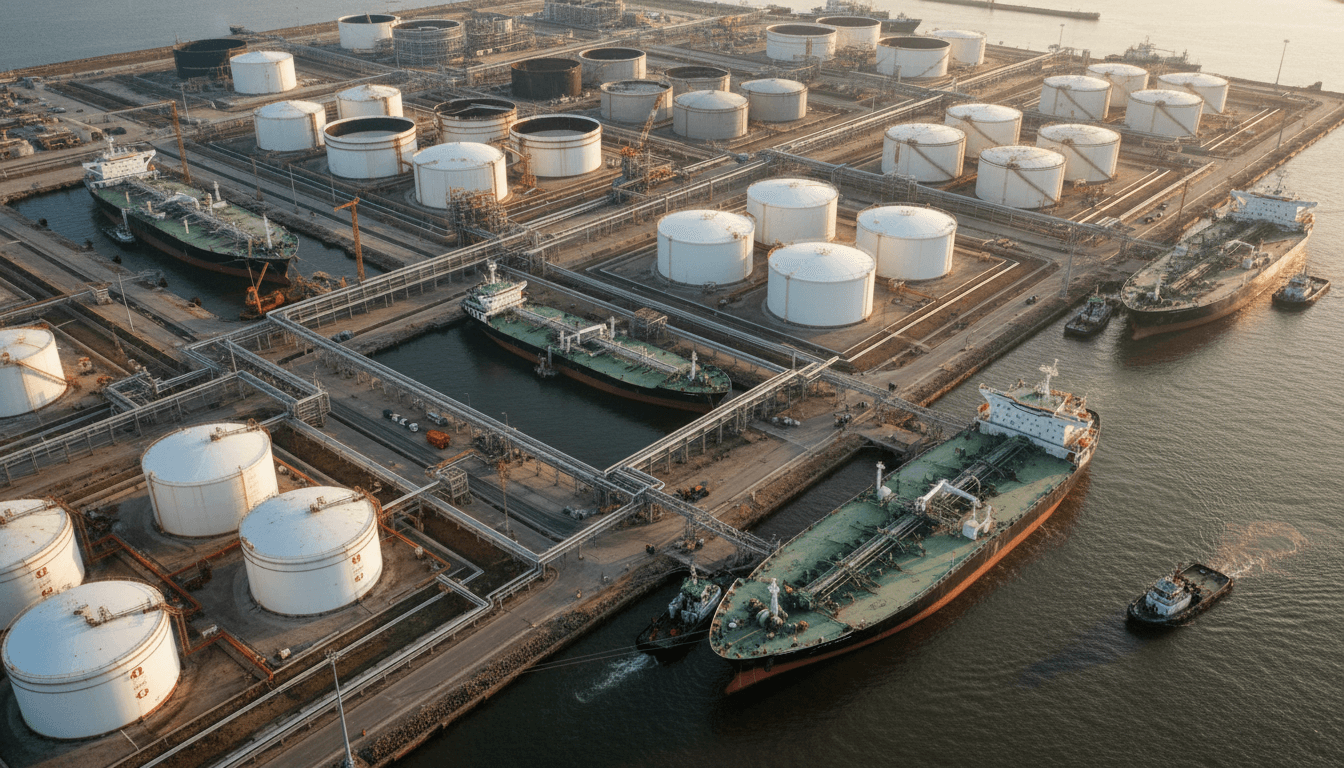
Donald Trump demands Nato oil embargo before Russia sanctions, a move that could dramatically reshape global energy markets and geopolitical alliances. The former U.S. President’s latest pronouncement, made on Tuesday, April 21, 2026, casts a significant shadow over existing international efforts to penalize Moscow, suggesting a much more aggressive and potentially disruptive approach to energy diplomacy.
Trump’s call for a complete embargo on Russian oil by NATO members, preceding any further sanctions, represents a notable shift in the discourse surrounding the ongoing conflict. While Western nations have implemented various sanctions against Russia, a full oil embargo by the entire NATO bloc would be an escalation of immense proportions, forcing a re-evaluation of energy supply chains and national economic strategies across Europe and beyond. This proposal suggests a ‘maximum pressure’ strategy, leveraging the collective economic weight of the alliance to inflict immediate and severe damage on Russia’s primary revenue stream.
Impact Analysis
The immediate impact of a NATO-wide oil embargo would be a seismic shock to global energy markets. Russia remains a significant supplier of crude oil and petroleum products to several European nations. Such a move would necessitate a rapid and extensive reorientation of supply, likely driving up global oil prices and potentially triggering energy crises in countries heavily reliant on Russian imports. While the long-term goal might be to cripple Russia’s war economy, the short-term economic fallout for NATO members, particularly those in Europe, could be considerable. It would test the resilience of the alliance and the willingness of member states to absorb substantial economic costs for geopolitical objectives. Related world news articles often highlight the delicate balance between economic stability and punitive international action.
Context & Background
The idea of an oil embargo against Russia is not new, having been debated extensively since the initial imposition of sanctions following the conflict’s escalation. However, previous discussions have often focused on more incremental measures or specific national actions, rather than a unified, comprehensive NATO stance. The reluctance has largely stemmed from concerns over energy security and the inflationary pressures a full embargo would unleash. Trump’s demand bypasses these gradual approaches, advocating for an immediate and decisive move. This aligns with his historical preference for bold, often unilateral, actions that challenge established diplomatic norms and economic dependencies. The timing, Tuesday, April 21, 2026, also suggests a push to influence ongoing policy debates and potentially shape future international responses.
“A NATO oil embargo would be a geopolitical earthquake, forcing every nation to reconsider its energy strategy and its commitment to collective security.”
Trump demands Nato oil embargo
The specificity of Trump’s demand – that a NATO oil embargo must precede further sanctions – is particularly noteworthy. It implies a conditionality that could complicate existing multilateral efforts and potentially create divisions within the alliance. Some member states might view this as an attempt to dictate the terms of engagement, while others might see it as a necessary, albeit painful, step. The proposal also raises questions about the practicality of implementation, given the diverse energy landscapes and political priorities of the 30-plus NATO nations. Securing consensus for such a drastic measure would require intense diplomatic negotiation and a unified commitment rarely seen on issues of this magnitude. Furthermore, the global energy market, already volatile, would face unprecedented uncertainty, potentially leading to new geopolitical realignments as nations seek alternative suppliers and trading partners. Our coverage of global energy markets frequently addresses such shifts.
What’s Next
The immediate future will likely see intense debate within NATO and among its member states regarding the feasibility and desirability of Trump’s proposal. While a full NATO oil embargo might appeal to those advocating for a more aggressive stance against Russia, the economic realities for many European nations could make it a difficult pill to swallow. Decisions in the coming weeks and months will hinge on complex calculations involving energy security, economic stability, and the ultimate strategic objective of pressuring Russia. The prospect of such an embargo will undoubtedly send ripples through commodity markets, prompting speculation and hedging among traders and governments alike. The international community will be closely watching for any signs of a unified response or, conversely, increased fragmentation within the alliance.
Ultimately, Trump’s demand for a NATO oil embargo before Russia sanctions underscores the persistent tension between economic pragmatism and geopolitical resolve in the face of ongoing international crises. The implications of such a move are profound, potentially redefining global energy security and the very nature of international alliances for years to come.