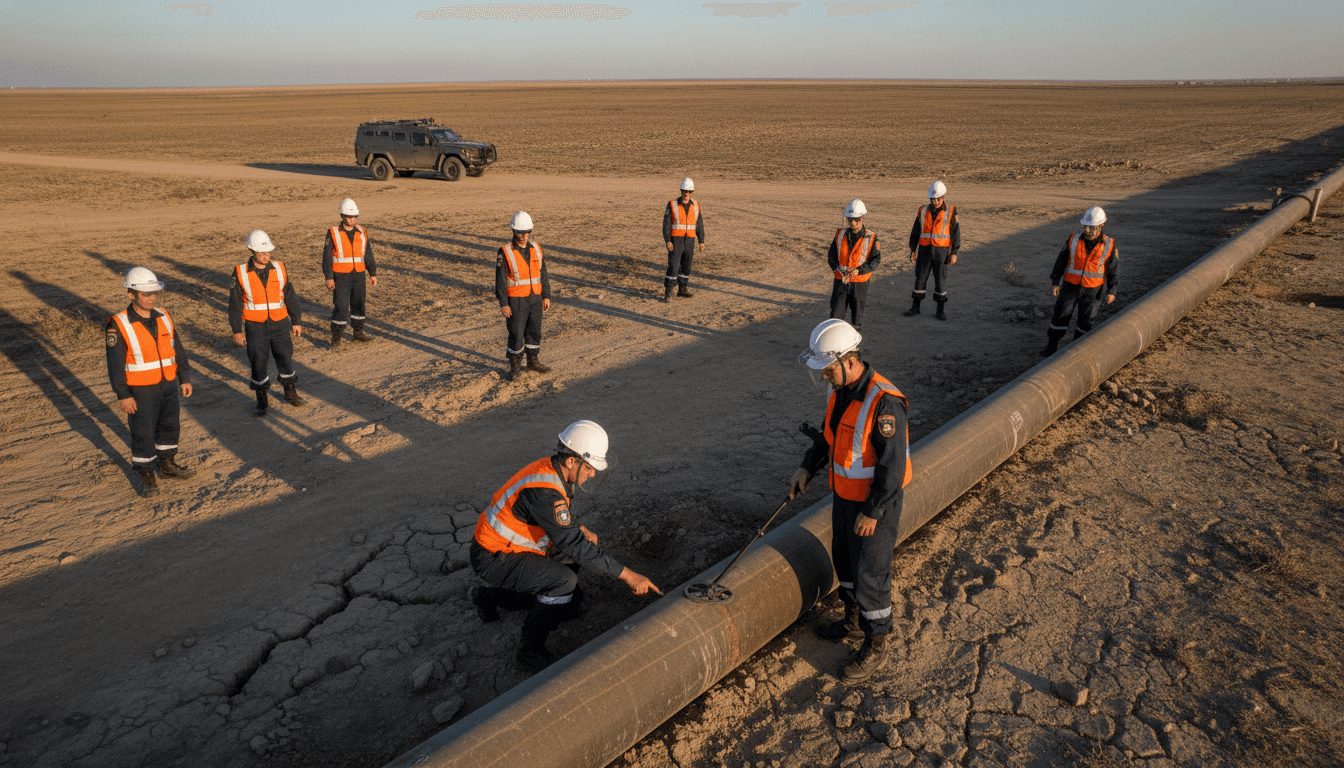
Pipeline explosives discovery near a critical artery carrying Russian gas to Hungary has sent fresh tremors through Europe’s already volatile energy landscape. The incident, reported on Tuesday, April 7, 2026, underscores the persistent vulnerabilities within the continent’s energy infrastructure and raises urgent questions about regional security and geopolitical stability. This discovery comes at a time when Europe is still grappling with the lingering effects of previous energy disruptions, making the implications of this new threat particularly acute.
Hungarian authorities have confirmed the discovery of explosives in close proximity to the pipeline, though specific details regarding the type, quantity, or precise location of the devices have not yet been publicly released. The pipeline in question is a vital conduit for Russian natural gas, supplying a significant portion of Hungary’s energy needs. While investigations are undoubtedly underway, the immediate impact is a heightened sense of alert across European capitals, with energy security once again taking center stage.
Impact Analysis
The immediate fallout from this pipeline explosives discovery is a dramatic escalation of energy security concerns across Europe. For Hungary, which remains heavily reliant on Russian gas, the threat is existential. Any disruption to this pipeline would necessitate an urgent search for alternative supplies, likely at significant economic cost and logistical complexity. Beyond Hungary, the incident resonates across the European Union, reminding member states of the interconnectedness of their energy grids and the shared vulnerability to such attacks.
A Chinese expert, speaking to the Global Times, warned that these fresh energy risks could significantly deepen Europe’s existing crisis. This assessment highlights the broader geopolitical implications, suggesting that the incident is not merely an isolated security breach but potentially a deliberate act designed to destabilize the region further. The timing, amid ongoing geopolitical tensions, amplifies these concerns, raising the specter of state-sponsored sabotage or non-state actors exploiting existing fragilities. The incident will undoubtedly prompt a reassessment of critical infrastructure protection strategies across the continent, potentially leading to increased surveillance, physical security enhancements, and intelligence sharing among nations.
“Fresh energy risks may deepen Europe’s crisis,” the Chinese expert cautioned, encapsulating the gravity of the situation and the potential for cascading effects across the continent’s economy and political stability.
Context & Background
Europe’s energy security has been a paramount concern for several years, particularly following the disruptions to gas supplies stemming from geopolitical conflicts. The continent has actively pursued diversification strategies, investing in liquefied natural gas (LNG) terminals and renewable energy sources, but the transition is far from complete. Many Eastern and Central European nations, including Hungary, still rely heavily on pipeline gas from Russia, making them particularly susceptible to supply shocks. Previous incidents involving critical energy infrastructure have demonstrated the profound economic and social consequences of such disruptions, from soaring energy prices to industrial shutdowns.
The discovery near the Hungarian pipeline, therefore, is not an isolated event but rather a stark reminder of ongoing vulnerabilities. It follows a period of intense scrutiny over the security of underwater pipelines and other critical energy assets. The geopolitical backdrop, characterized by strained international relations, adds another layer of complexity, making attribution and response particularly challenging. This latest pipeline explosives discovery further complicates efforts to stabilize regional energy markets and foster long-term energy independence.
What’s Next
The immediate future will see intensive investigations by Hungarian authorities, likely with international cooperation, to determine the origin and intent behind the placement of the explosives. The findings of these investigations will be crucial in shaping the international response and potentially attributing responsibility. Europe will also likely accelerate discussions on enhancing critical infrastructure resilience, possibly leading to new security protocols and collaborative defense initiatives. Energy markets will remain on edge, with gas prices potentially reacting to any perceived escalation of threats or further details emerging from the investigation.
For Hungary, the incident underscores the urgent need to diversify its energy sources and reduce its reliance on single-point vulnerabilities. The broader European Union will face renewed pressure to present a united front on energy security and to accelerate the transition away from fossil fuels, not just for environmental reasons but also as a strategic imperative to enhance resilience against geopolitical leverage. The pipeline explosives discovery serves as a potent catalyst for these discussions.
Key Takeaway: Europe’s Energy Resilience Tested
The discovery of explosives near the pipeline carrying Russian gas to Hungary is a stark and unsettling reminder of Europe’s enduring energy vulnerabilities and the ever-present threat of sabotage in a complex geopolitical environment. It highlights the critical need for robust security measures, international cooperation, and a continued push towards diversified and resilient energy systems. As the continent navigates these fresh energy risks, the incident will undoubtedly shape future policy decisions and investment priorities, reinforcing the message that energy security is inextricably linked to broader national and international security. The path forward demands vigilance, strategic foresight, and a collective commitment to protecting vital infrastructure from both overt and covert threats.