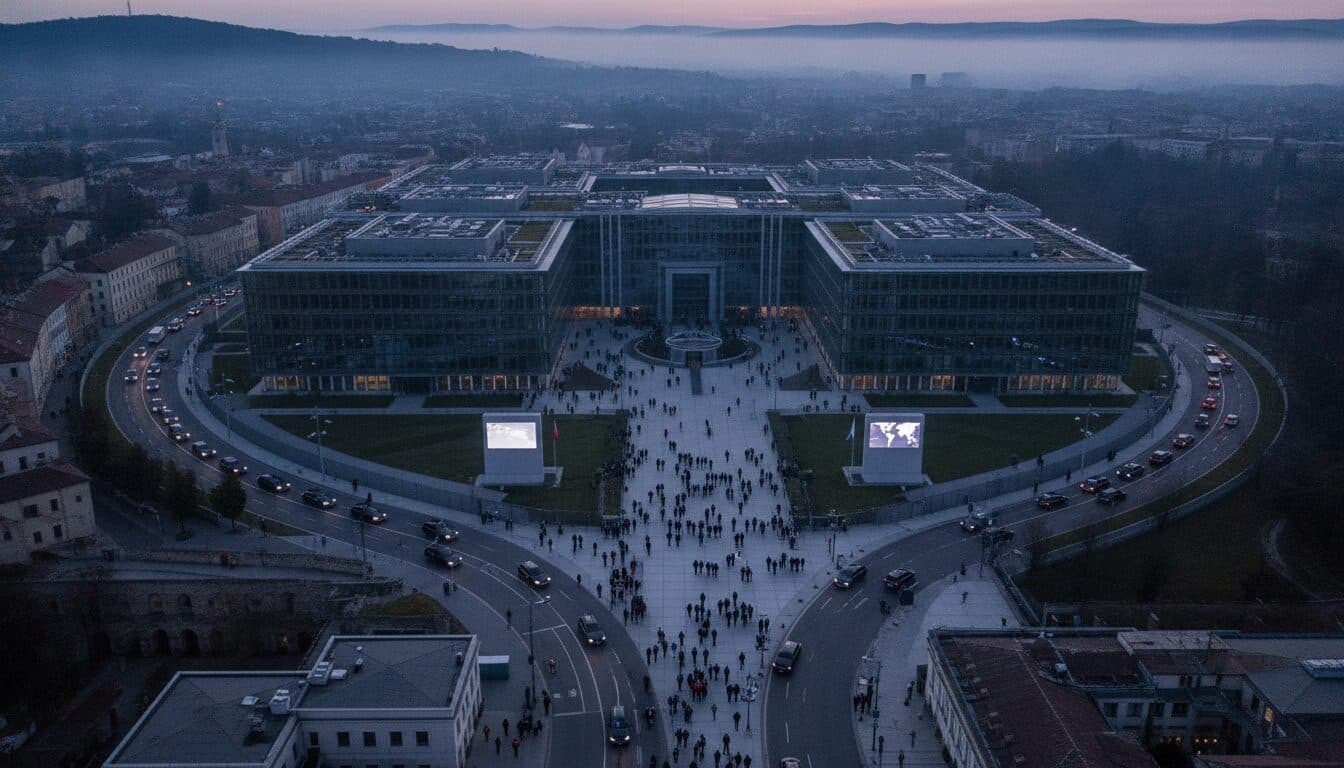
NATO is considering ending its annual summits, a move that could fundamentally alter the Alliance’s diplomatic rhythm and strategic communication. This significant deliberation, reported on Wednesday, April 29, 2026, by Table.Briefings, suggests a profound reevaluation of how the North Atlantic Treaty Organization conducts its highest-level political engagements. The potential cessation of these yearly gatherings, long a cornerstone of transatlantic dialogue and decision-making, signals a possible shift towards more targeted, perhaps less frequent, leadership meetings.
The core of this development lies with NATO, the intergovernmental military alliance between 32 member states across North America and Europe. While the specifics of who initiated this consideration or the precise internal discussions remain undisclosed by the source, the mere fact of such a proposal being on the table indicates a high-level strategic review. Annual summits have traditionally served as critical platforms for member states to affirm collective defense commitments, address emerging security threats, and project a unified front to the world. Their potential discontinuation raises immediate questions about the future format of high-level consultations and the mechanisms through which the Alliance will navigate increasingly complex global challenges.
Impact Analysis
The potential cessation of NATO’s annual summits carries significant implications for the broader world news landscape. Firstly, it could be interpreted as a move towards greater efficiency, streamlining diplomatic efforts by replacing large, often ceremonial gatherings with more agile, issue-specific meetings. This might allow for quicker responses to crises and reduce the logistical burden associated with hosting major international events. Conversely, it could also diminish the public visibility and symbolic power of the Alliance, potentially weakening its ability to project unity and resolve on a global stage. Regular, highly publicized summits often serve as crucial opportunities for leaders to demonstrate solidarity, announce new initiatives, and reinforce the transatlantic bond. Without this annual spectacle, the perception of NATO’s cohesion and relevance might shift.
For member states, the change could mean a recalibration of their diplomatic calendars and a different approach to multilateral engagement. Smaller, more focused meetings might empower working groups and ambassadorial channels, potentially decentralizing some decision-making processes. However, it could also reduce opportunities for informal bilateral discussions and relationship-building that often occur on the sidelines of major summits. The decision to stop holding annual summits could also affect the Alliance’s relationship with partner nations, who often participate in elements of these larger gatherings, offering a broader platform for security cooperation.
Context & Background
NATO’s annual summits have been a defining feature of its operational structure for decades, evolving from the initial ministerial meetings to the grand presidential and prime ministerial gatherings seen today. These events have historically marked significant milestones, from the expansion of the Alliance to the adoption of new strategic concepts and responses to major geopolitical shifts. For instance, critical decisions regarding interventions, the deployment of rapid reaction forces, and the collective stance on major global conflicts have often been solidified during these high-stakes meetings. The Alliance has navigated numerous challenges, from the Cold War to post-9/11 terrorism and the resurgence of great power competition, with summits serving as key fora for charting a collective path forward. The idea of ending annual summits, therefore, represents a departure from a long-established tradition and underscores a potential strategic re-evaluation of how NATO operates in the 21st century. This move comes at a time when global security dynamics are increasingly volatile, with ongoing conflicts and escalating geopolitical tensions demanding constant vigilance and coordinated responses from international bodies. Related world news articles frequently highlight the pressures on multilateral organizations to adapt to rapidly changing circumstances.
“The consideration of ending annual summits reflects a deeper conversation within NATO about optimizing its operational tempo and diplomatic impact in a complex global security environment.”
This potential shift might be driven by a desire to make diplomatic engagements more efficient and impactful, moving away from what some might view as largely ceremonial events towards more substantive, outcome-oriented discussions. The logistics and costs associated with hosting annual summits are considerable, and a move away from them could free up resources for other strategic priorities or allow for more frequent, albeit smaller, ministerial or ambassadorial-level meetings.
What’s Next: The Future of NATO Annual Summits
The immediate future will likely involve extensive internal discussions within NATO’s member states to weigh the pros and cons of this proposed change. Decisions of this magnitude typically require consensus among all members, meaning that the path to ending annual summits, if pursued, will be a complex diplomatic undertaking. It is plausible that alternative models for high-level engagement are being considered, such as biennial summits, rotating host nations for smaller, focused ministerial meetings, or even a greater reliance on virtual diplomacy for certain discussions. The focus keyphrase here is on the future of NATO annual summits, and how the Alliance will continue to maintain high-level coordination. The outcome of these deliberations will undoubtedly shape NATO’s public image and its internal decision-making processes for years to come. Analysts will be watching closely for any official statements or leaks that shed further light on the motivations behind this significant proposal and the proposed alternatives. Further analysis of NATO’s strategic direction will be critical.
Any decision to alter the summit schedule would need to address how NATO plans to maintain its collective defense posture, foster internal cohesion, and communicate its strategic objectives effectively to both its members and the wider international community. The Alliance’s ability to adapt its operational structures while upholding its core mission will be a crucial test of its enduring relevance.
Key Takeaway
The deliberation over ending NATO annual summits represents more than just a procedural adjustment; it signifies a potential strategic recalibration within one of the world’s most enduring military alliances. This move could signal a shift towards a more agile, perhaps less publicly visible, form of diplomacy, prioritizing efficiency and targeted action over large-scale symbolic gatherings. While such a change might streamline operations, it also carries the risk of diminishing NATO’s public profile and the symbolic weight of its collective resolve. The ultimate decision will reflect the Alliance’s evolving understanding of its role in a complex and rapidly changing global security landscape, with profound implications for international relations and the future of transatlantic cooperation.