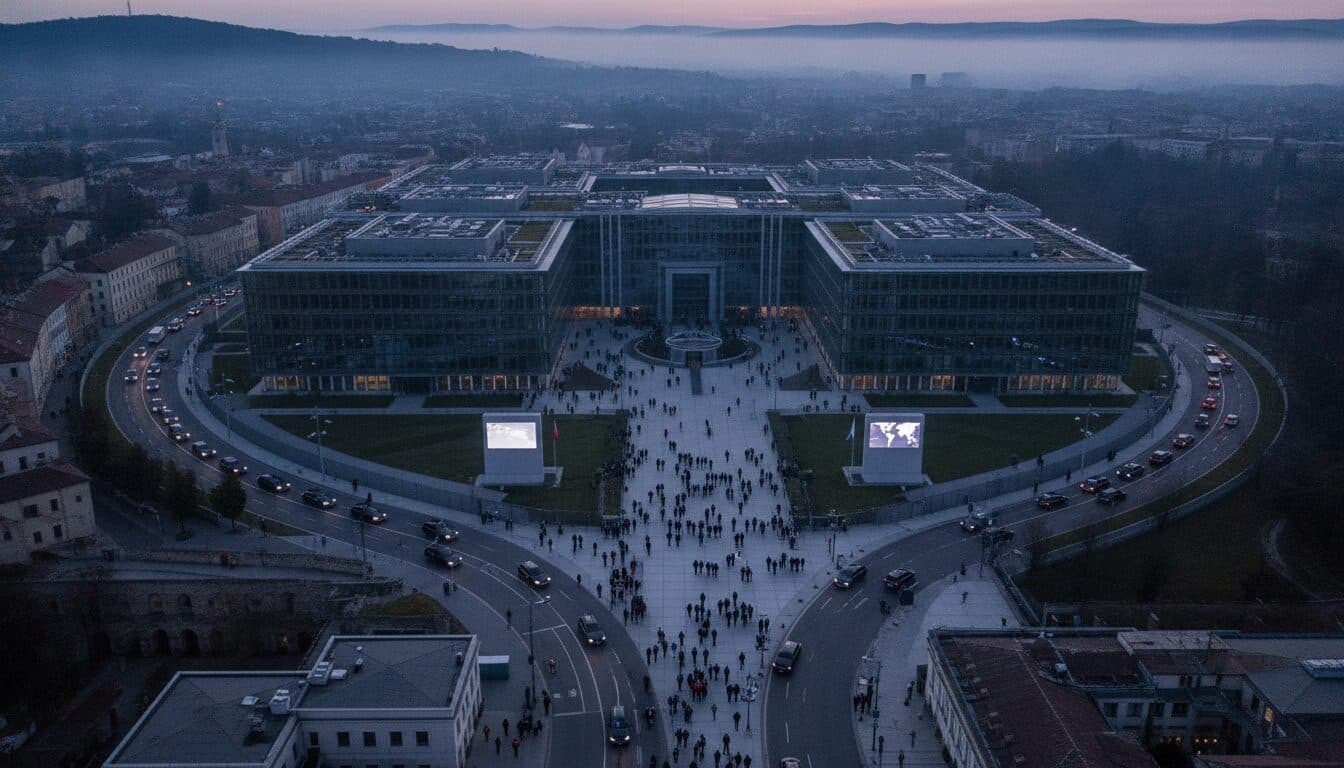
Greece’s manufactured refugee homelessness crisis, a systemic issue highlighted by the Human Rights Research Center (HRRC) on May 8, 2026, continues to trap vulnerable populations in a cycle of instability and violence. This deliberate policy, rather than an unforeseen consequence, has exacerbated the plight of refugees seeking asylum, pushing them into precarious living conditions and exposing them to further harm.
The Deliberate Dispossession of Refugees
The HRRC’s report details a troubling pattern in Greece where refugees, many fleeing conflict and persecution, are systematically denied adequate housing and support. This isn’t a mere oversight; it’s a manufactured refugee homelessness crisis, orchestrated through administrative hurdles, insufficient reception facilities, and a lack of integration policies. The result is thousands of individuals and families left without stable shelter, often forced into informal settlements or left to fend for themselves on the streets of Greek cities and islands. This deliberate deprivation of basic necessities undermines international humanitarian principles and the very concept of asylum.
The report underscores that the individuals caught in this predicament are not simply ‘homeless’ in the conventional sense, but rather victims of a state-sanctioned process that creates and perpetuates their displacement within the country they sought refuge. This includes a disproportionate impact on women, children, and other vulnerable groups who face heightened risks of exploitation, trafficking, and violence due to their exposed circumstances. The lack of legal clarity and consistent support mechanisms means that even those granted some form of asylum often find themselves in a bureaucratic limbo, unable to access the resources needed to establish a new life.
Impact Analysis
The ongoing manufactured refugee homelessness crisis in Greece has far-reaching implications for broader European and international affairs. It challenges the European Union’s commitment to human rights and its stated values of solidarity, especially as Greece serves as a primary entry point for many asylum seekers into the continent. The situation also fuels anti-immigrant sentiment and provides fodder for populist narratives across Europe, undermining efforts to create cohesive and inclusive societies. Furthermore, the cycle of violence and instability created by these conditions can have long-term societal costs, impacting public health, security, and social cohesion within Greece itself. Other related world news articles have also highlighted similar challenges in other border nations.
“The deliberate creation of homelessness for refugees is not just a humanitarian failure; it’s a strategic erosion of fundamental human rights that reverberates across the global stage, challenging the very premise of international protection.”
Context and Background
Greece has long been at the forefront of Europe’s refugee crisis, bearing a significant burden due to its geographical location. Following the large-scale influxes of 2015-2016, the country struggled to manage the sheer volume of arrivals, leading to overcrowded camps and ad-hoc solutions. However, the HRRC’s 2026 report indicates a shift from reactive mismanagement to what appears to be a more deliberate policy of non-integration and systematic exclusion. This trend aligns with a broader European movement towards stricter border controls and a more restrictive approach to asylum, often prioritizing national security and internal political pressures over humanitarian obligations. Previous reports have documented the gradual dismantling of support structures and the increasing difficulty for refugees to navigate the asylum system, culminating in the current manufactured refugee homelessness crisis.
What’s Next
The HRRC’s May 8, 2026, report calls for immediate and comprehensive action from both the Greek government and international bodies. Future implications include potential legal challenges against Greece for violations of international human rights law and increased pressure from humanitarian organizations. The European Union faces a critical decision point: either intervene decisively to ensure adherence to human rights standards or risk further erosion of its moral authority. Without significant policy changes, including investment in sustainable housing solutions, streamlined asylum processes, and robust integration programs, the manufactured refugee homelessness crisis is likely to continue, perpetuating the cycle of violence and instability for thousands of vulnerable individuals. Attention will now turn to whether the report prompts any concrete policy shifts or merely adds to the growing documentation of human rights abuses.
Key Takeaway
The manufactured refugee homelessness crisis in Greece is a stark reminder that humanitarian crises are not always natural disasters but can be the direct result of deliberate policy choices. The HRRC’s findings on May 8, 2026, underline the critical importance of upholding international protection standards and ensuring that asylum seekers are treated with dignity and provided with the basic necessities for survival. The ongoing cycle of violence and instability created by these policies demands urgent and sustained international attention to prevent further human suffering and uphold the integrity of the global refugee protection system. This crisis is not just a Greek problem; it is a European and global challenge that tests the very foundations of human rights and international law.