Iran warns fresh clash is likely, signaling a dangerous escalation in the Middle East following former President Donald Trump’s rejection of a crucial peace deal. The declaration, made on Saturday, May 2, 2026, by Tehran, underscores the heightened volatility in a region already grappling with protracted conflict and geopolitical maneuvering. This development has sent ripples through international diplomatic circles, raising concerns about the potential for broader regional instability and its far-reaching economic consequences.
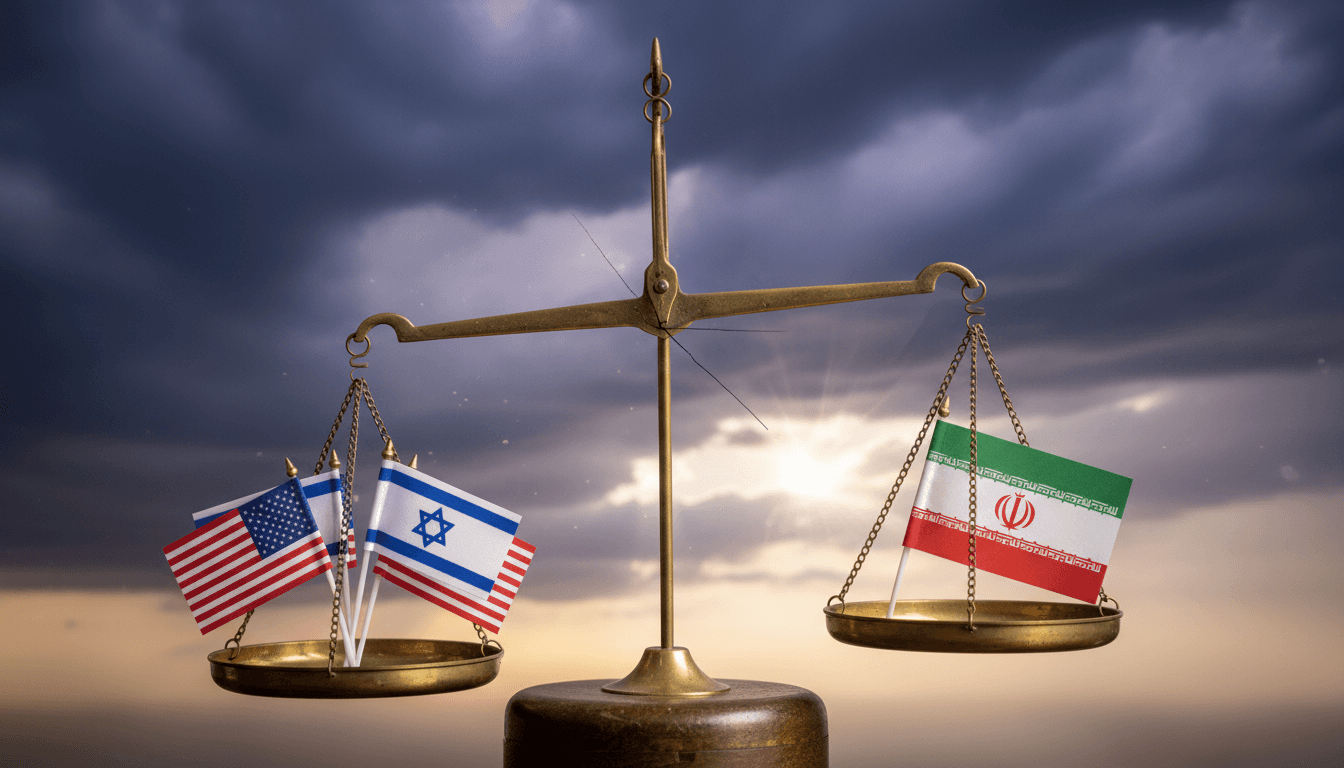
The core of the escalating tension lies in the recent actions and statements from key players. Iran’s warning comes directly after former President Trump’s definitive rejection of a proposed peace deal, the specifics of which remain largely undisclosed but were evidently aimed at de-escalating the long-standing animosity between the United States, Israel, and Iran. Trump’s refusal has been interpreted by Tehran as a clear signal of continued adversarial posture, thereby diminishing any immediate prospects for diplomatic resolution. The related world news articles have extensively covered the intricate dance of diplomacy and deterrence that characterizes this volatile region.
Impact Analysis
The immediate impact of Iran’s warning and Trump’s decision is a significant surge in US-Israel-Iran tensions. For global markets, this translates into increased uncertainty, particularly concerning oil prices and supply chains originating from the Middle East. Energy markets are likely to react nervously, with potential for spikes in crude oil futures as investors price in the risk of disruption. Furthermore, the prospect of a fresh clash could trigger a flight to safe-haven assets, affecting global equity markets and bond yields. Regional allies of both sides are now forced to re-evaluate their positions, potentially leading to a realignment of alliances and increased military posturing across the Gulf.
Diplomatically, the rejection of a peace deal and the subsequent warning from Iran represent a setback for international efforts to maintain stability. It challenges the efficacy of multilateral engagements and highlights the enduring influence of national interests and historical grievances. The international community, including the United Nations and various European powers, will likely intensify calls for de-escalation, though their leverage may be limited given the entrenched positions of the primary actors. The risk of miscalculation remains exceptionally high.
Context & Background
The current US-Israel-Iran tensions are deeply rooted in decades of complex geopolitical dynamics, marked by mutual suspicion, proxy conflicts, and a nuclear program controversy. Historically, the relationship between Iran and the US deteriorated significantly following the 1979 Iranian Revolution. Israel views Iran’s nuclear ambitions and its support for regional militant groups as an existential threat. The previous US administration’s withdrawal from the Joint Comprehensive Plan of Action (JCPOA) in 2018, commonly known as the Iran nuclear deal, and the subsequent re-imposition of sanctions, further exacerbated these tensions, leading to a series of tit-for-tat escalations in the Strait of Hormuz and cyber warfare.
“The rejection of any peace overture, particularly one that could have offered a pathway to de-escalation, inevitably pushes the region closer to the precipice. Iran’s warning is not merely rhetoric; it reflects a genuine assessment of the deteriorating diplomatic landscape.”
Former President Trump’s consistent hardline stance against Iran has been a defining feature of his foreign policy approach. His latest rejection of a peace deal aligns with this pattern, signaling a continuity in his administration’s strategy, even as global calls for de-escalation intensify. This historical context underscores the fragility of any peace initiatives and the deep-seated mistrust that pervades the region.
What’s Next
The immediate future appears fraught with peril. With Iran warning fresh clash is likely, the international community will be closely watching for any signs of military mobilization or aggressive actions from any of the involved parties. Diplomatic efforts, though currently stalled, are expected to intensify behind the scenes, potentially involving intermediaries to bridge the communication gap. The upcoming weeks will be crucial in determining whether this latest surge in US-Israel-Iran tensions leads to open conflict or a renewed, albeit difficult, path towards de-escalation.
Further economic sanctions, military exercises, or even targeted cyber-attacks could be among the immediate responses. The political ramifications within the US and Israel will also be significant, as leaders navigate public opinion and national security imperatives. For Iran, the warning serves as a declaration of readiness, signaling that it will not back down in the face of perceived threats. The global community remains on high alert, understanding that a misstep by any party could ignite a broader conflict with catastrophic consequences.
Key Takeaway
The latest update, where Iran warns fresh clash is likely following former President Trump’s rejection of a peace deal, underscores the perilous state of affairs in the Middle East. This development is not merely a regional concern but a global one, with potential ramifications for international security, energy markets, and diplomatic norms. The world watches anxiously as the delicate balance of power teeters on the brink, highlighting the urgent need for renewed diplomatic engagement to prevent a catastrophic escalation.