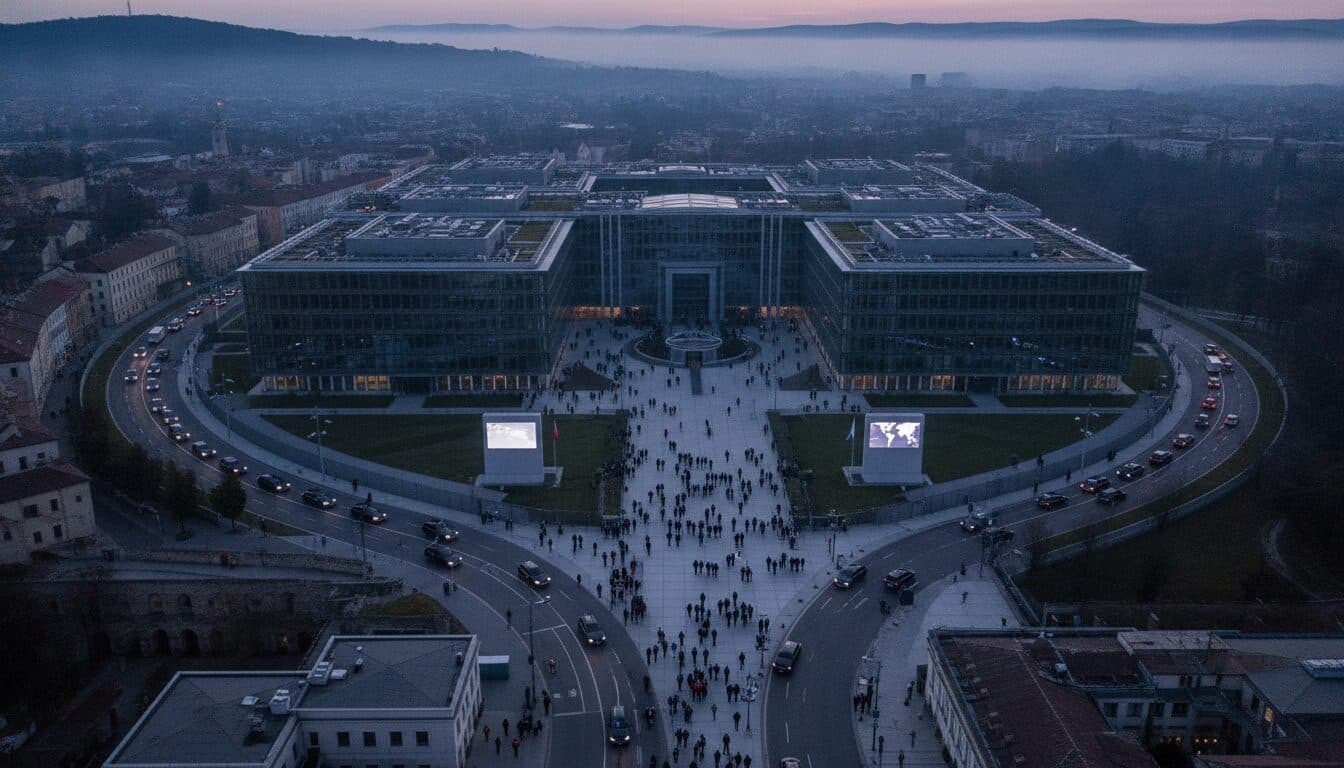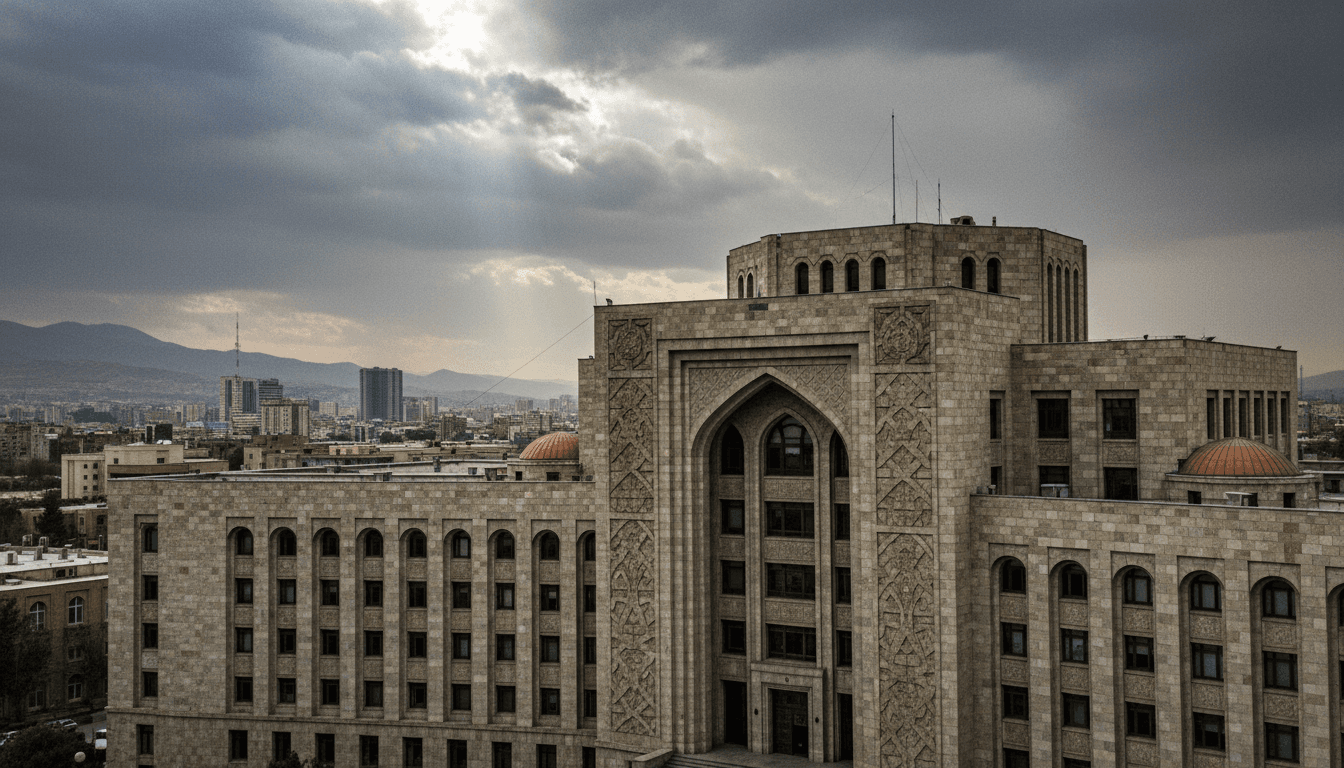
Iran war: Tehran reportedly rejects ceasefire proposal, a stunning development that significantly escalates tensions in the already volatile Middle East. This refusal, reported on Tuesday, April 7, 2026, by DW.com, signals a deepening commitment to ongoing conflict from the Iranian leadership, dashing hopes for a de-escalation of hostilities.
The rejection by Tehran comes amidst intensifying international pressure for a cessation of fighting, the specifics of which remain largely undisclosed in public reports. While the exact terms of the ceasefire proposal have not been detailed, its rejection by Iran underscores a calculated decision to continue military operations, whatever their current scope. The parties involved in presenting the proposal have also not been publicly identified, though it is widely assumed to be a coalition of international actors or a regional power seeking to mediate an end to the conflict. This move by Tehran is expected to send ripples across global diplomatic circles, further complicating efforts to restore stability in a region perpetually on edge.
Impact Analysis
The immediate impact of Tehran’s rejection is a likely continuation and potential intensification of the current conflict. For the broader world news landscape, this decision solidifies concerns about the protracted nature of regional instability. Energy markets, already sensitive to Middle Eastern dynamics, could see increased volatility as the prospect of a swift resolution diminishes. Humanitarian organizations are also likely bracing for an increased need for aid and resources, as prolonged conflict invariably leads to greater civilian displacement and suffering. Furthermore, the diplomatic leverage of nations advocating for peace may be diminished, as Iran’s stance signals a reluctance to engage with proposed de-escalation frameworks. This development will undoubtedly be a central topic at upcoming international forums, where leaders will grapple with the implications of a seemingly unyielding Iran war.
“The refusal to even consider a ceasefire suggests a strategic recalculation by Tehran, indicating they believe their current trajectory offers more leverage or achieves core objectives better than a negotiated peace.”
Context & Background
The current state of conflict involving Iran is the culmination of years of escalating regional rivalries, proxy wars, and geopolitical maneuvering. Tensions have been particularly high following a series of incidents in the Persian Gulf, persistent accusations of destabilizing activities in neighboring states, and unresolved disputes over nuclear ambitions. While the precise origins of the current ‘Iran war’ are complex and multifaceted, they are rooted in a long history of mistrust and strategic competition. Previous attempts at de-escalation or diplomatic engagement have often met with limited success, highlighting the deep-seated nature of the grievances and strategic objectives at play. Industry trends have shown a consistent increase in military spending across the region, reflecting a broader arms race fueled by perceived threats and a desire for regional dominance. This latest rejection of a ceasefire fits into a pattern of assertive foreign policy from Tehran, which has historically shown a willingness to defy international pressure when it perceives its core interests are at stake.
The Iran War: What’s Next
Looking ahead, the rejection of the ceasefire proposal portends a period of heightened uncertainty. International diplomacy will likely intensify, though perhaps with a shift in strategy as mediators confront Iran’s firm stance. Sanctions, already a significant component of international pressure on Iran, could be re-evaluated or strengthened. Regionally, neighboring states will be closely monitoring developments, potentially adjusting their own security postures or alliances in response to the continued Iran war. Military analysts anticipate a continuation of existing conflict patterns, with potential for localized escalations depending on strategic objectives and responses from other actors. Upcoming decisions by global powers regarding their engagement with the Middle East will be critical, as will any potential shifts in Iran’s internal political landscape that could influence future policy. The path to any future peace settlement now appears significantly more arduous, requiring a fundamental shift in approach from at least one of the involved parties.
The decision by Tehran to reportedly reject the ceasefire proposal marks a critical juncture in the ongoing Iran war. It underscores the profound challenges in achieving peace and stability in the Middle East and signals a period of continued conflict and diplomatic struggle. The international community faces a renewed imperative to navigate this complex geopolitical landscape, seeking new pathways to de-escalation amidst a determined and unyielding Iran.