Concerns are mounting that a potential Iran war could trigger a new refugee wave, with several countries bracing for immediate impact. The prospect of escalating conflict in the Middle East, particularly involving Iran, raises significant humanitarian and geopolitical questions about regional stability and international response mechanisms. As of Sunday, April 26, 2026, analysts and aid organizations are assessing which nations are most vulnerable to an influx of displaced populations should hostilities erupt.
The Looming Threat of an Iran War
The current geopolitical climate in the Middle East remains highly volatile, with tensions surrounding Iran at a critical juncture. While specific triggers for a potential conflict are not detailed, the ongoing discourse among international observers points to a heightened risk environment. A full-scale Iran war would inevitably lead to widespread displacement, creating a humanitarian crisis on a scale that could rival or even surpass previous regional conflicts.
The immediate consequence of any significant military engagement would be the internal displacement of millions within Iran itself, followed by a substantial outflow of refugees seeking safety across borders. These movements would place immense pressure on neighboring states, many of which already contend with their own economic and social challenges, exacerbated by existing refugee populations from other conflicts.
Impact Analysis: Regional Burden and Global Response
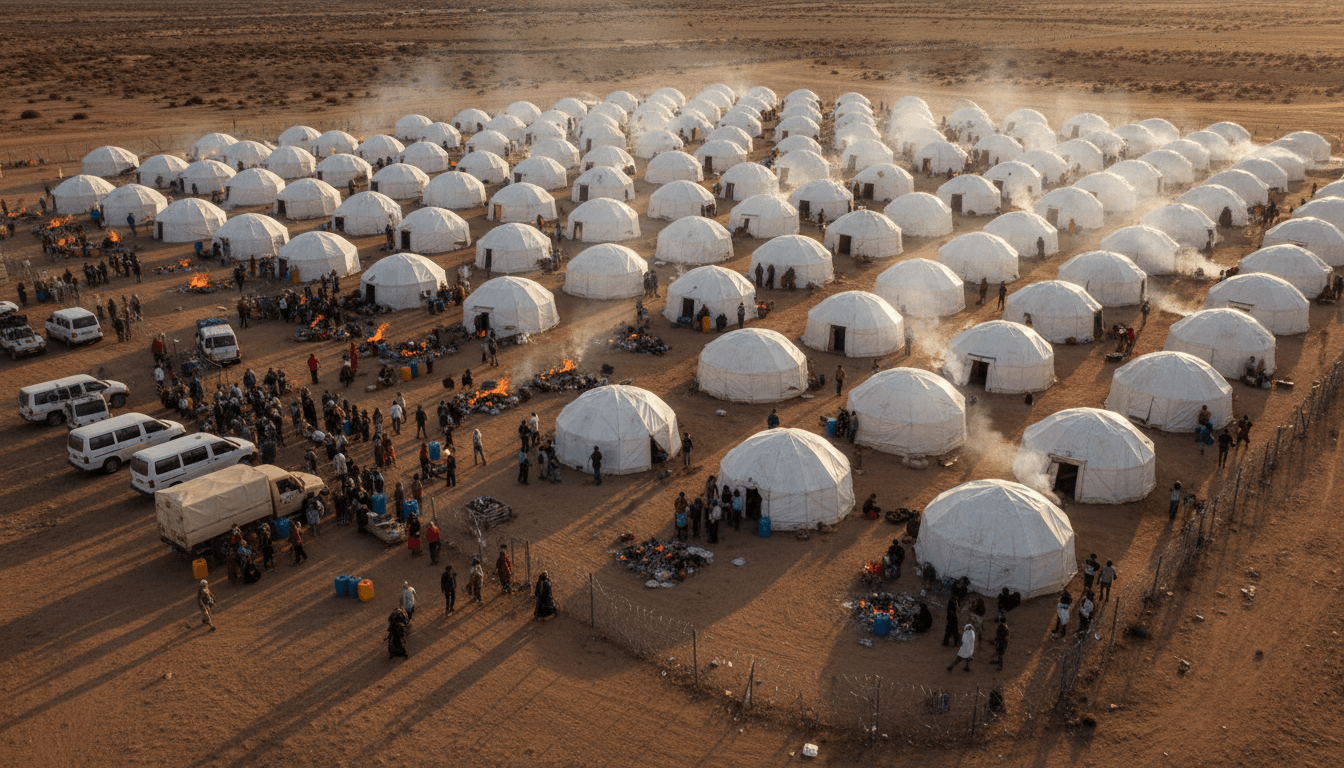
The most immediate and profound impact of a new refugee wave stemming from an Iran war would be felt by Iran’s direct neighbors. Countries sharing land borders or short maritime distances with Iran are identified as the most likely to experience the initial surge of asylum seekers. These nations would face the immediate logistical challenge of providing shelter, food, and medical aid, alongside the long-term strain on public services and infrastructure.
Beyond the immediate neighbors, the ripple effect of such a crisis would extend globally. European nations, already grappling with complex migration policies and socio-political divisions, could see increased pressure on their borders. The humanitarian response would require significant international coordination, funding, and resources, potentially diverting attention and aid from other ongoing crises worldwide. The economic implications for host countries, particularly those with fragile economies, could be severe, impacting labor markets, social cohesion, and security dynamics.
“A large-scale conflict involving Iran would not only destabilize the immediate region but also send shockwaves across the globe, testing the limits of international humanitarian capacity and political will.”
The potential for a new refugee wave also carries significant security implications, as large-scale population movements can be exploited by illicit networks and exacerbate existing geopolitical rivalries. The stability of entire sub-regions could be undermined, leading to further complex emergencies.
Context & Background: A Region Accustomed to Displacement
The Middle East and its surrounding regions have been epicenters of conflict and displacement for decades. From the Syrian civil war to conflicts in Iraq and Afghanistan, millions have been uprooted, creating what many refer to as a ‘generation of refugees.’ This historical context is crucial in understanding the potential severity of a new crisis originating from an Iran war. Many of the countries likely to be first affected already host significant refugee populations and have strained resources.
Previous large-scale displacements have highlighted systemic challenges in international asylum systems, including issues of burden-sharing, funding shortfalls, and the protection of vulnerable populations. The lessons learned from these past events will be critical in shaping any future response, though the sheer scale of a potential Iran-related crisis could push these systems to their breaking point. The international community has a mixed record in responding to such crises, often characterized by initial surges of aid followed by long-term funding fatigue and political deadlock.
What’s Next: Preparing for the Unthinkable
As of late April 2026, the focus for international organizations and national governments is on contingency planning. This involves scenario mapping, resource pre-positioning, and coordination efforts to establish potential humanitarian corridors and reception centers. However, the exact timing and nature of any potential Iran war remain speculative, making definitive preparations challenging.
Future implications include increased diplomatic efforts to de-escalate tensions, but also a sober recognition that an outbreak of hostilities could necessitate a rapid and massive humanitarian intervention. Upcoming decisions by key regional and global powers regarding their engagement with Iran will critically influence the trajectory of events. Predictions suggest that if conflict erupts, the initial weeks would be chaotic, placing immense pressure on frontline states to manage an immediate influx.
The international community will undoubtedly face renewed calls for solidarity and burden-sharing, testing the commitment of nations to humanitarian principles. The long-term implications could include significant demographic shifts in the region, increased social and political instability, and a renewed focus on regional security architectures. The prospect of an Iran war looms large over these discussions.
Key Takeaway: Global Implications of a New Refugee Wave
The potential for an Iran war to trigger a new refugee wave is not merely a regional concern but a global challenge with far-reaching consequences. It underscores the interconnectedness of international security, humanitarian aid, and economic stability. The world must acknowledge the profound human cost and geopolitical ramifications of such a conflict, preparing not only for the immediate crisis but also for the long-term societal and political shifts it would inevitably engender. The capacity of international systems and political will to respond effectively will be severely tested, demanding an unprecedented level of cooperation and foresight to mitigate a humanitarian catastrophe.